Welcome to your weekly roundup of the most important news, updates, and resources in the IT world. This week we cover critical Linux kernel security patches, Docker's latest release features, shifting cloud market dynamics, and practical tips you can apply to your infrastructure today.
Linux Security Updates
Critical Kernel Vulnerability Patched (CVE-2026-0847)
A critical privilege escalation vulnerability was disclosed this week affecting Linux kernels 6.6 through 6.12. The vulnerability, tracked as CVE-2026-0847, allows local users to gain root access through a race condition in the io_uring subsystem. All major distributions have released patches.
Action required: Update your kernel immediately on all production systems. For Ubuntu and Debian systems:
sudo apt update && sudo apt upgrade -y linux-image-generic
sudo reboot
For RHEL, AlmaLinux, and Rocky Linux:
sudo dnf update kernel -y
sudo reboot
OpenSSH 10.1 Released
OpenSSH 10.1 brings several important security improvements including stricter default key exchange algorithms, improved logging for failed authentication attempts, and better support for FIDO2 hardware tokens. The update also deprecates several older cipher suites that are now considered weak.
Key changes to note:
- DSA keys are now completely disabled by default
- The minimum RSA key length for new keys is now 3072 bits
- New
LogVerbosedirective for granular logging control - Improved rate limiting for authentication attempts
Docker and Container News
Docker Engine 27.5 Stable Release
Docker Engine 27.5 reached stable status this week with several noteworthy features:
- Improved build cache — Build times reduced by up to 40% for multi-stage builds through smarter layer caching
- Rootless mode improvements — Better support for rootless containers on systems using cgroups v2, which is now the default on most modern distributions
- Compose V3 enhancements — New
depends_onhealth check conditions that actually work reliably - Security scanning integration — Built-in vulnerability scanning for local images using Docker Scout
Kubernetes 1.33 Feature Freeze
The Kubernetes 1.33 release cycle has hit feature freeze, with several exciting enhancements moving to beta:
- Sidecar containers reaching stable status
- Improved pod scheduling with resource-aware bin packing
- Native support for graceful node shutdowns on cloud providers
Cloud Industry Trends
Multi-Cloud Adoption Surpasses 80%
A new industry report from Flexera reveals that over 80% of enterprises now use at least two cloud providers. The primary drivers are risk mitigation, regulatory compliance, and leveraging best-of-breed services from different providers.
For IT professionals, this trend reinforces the value of multi-cloud skills. Being proficient in both AWS and Azure (or GCP) makes you significantly more marketable than being deeply specialized in just one platform.
Cloud Cost Optimization Becomes Priority
As cloud spending continues to rise, organizations are prioritizing FinOps practices. The key strategies trending this week include:
- Right-sizing instances based on actual usage metrics rather than estimates
- Implementing automated scheduling to shut down non-production workloads outside business hours
- Leveraging spot/preemptible instances for batch processing workloads
- Using reserved instances or savings plans for predictable baseline workloads
Quick Tips of the Week
Tip 1: Quick Disk Space Analysis
Need to find what is eating your disk space? This one-liner shows the 10 largest directories:
du -h --max-depth=2 / 2>/dev/null | sort -rh | head -20Tip 2: Monitor Docker Container Resource Usage
Use this command to get a real-time view of CPU, memory, and network usage across all running containers:
docker stats --format "table {{.Name}}\t{{.CPUPerc}}\t{{.MemUsage}}\t{{.NetIO}}"Tip 3: Find Failed SSH Login Attempts
Quickly identify brute force attempts against your servers:
# For systems using journald
journalctl -u sshd --since "1 hour ago" | grep "Failed password" | awk '{print $11}' | sort | uniq -c | sort -rn | head -10

# For systems using auth.log
grep "Failed password" /var/log/auth.log | awk '{print $11}' | sort | uniq -c | sort -rn | head -10
Tool of the Week: Lazydocker
If you manage Docker containers from the command line, Lazydocker is a terminal UI that makes container management significantly easier. It provides a visual interface for viewing logs, stats, and configuration — all without leaving your terminal.
Install it with:
curl https://raw.githubusercontent.com/jesseduffield/lazydocker/master/scripts/install_update_linux.sh | bashCareer Corner
This week, several major cloud providers announced expanded certification programs with reduced exam fees and more accessible training paths. If you have been putting off getting certified, now is an excellent time to start. Cloud certifications consistently rank among the highest-paying IT credentials, with certified professionals earning 15-25% more than their non-certified peers.
Recommended Reading
Stay ahead of the curve with these essential Dargslan guides:
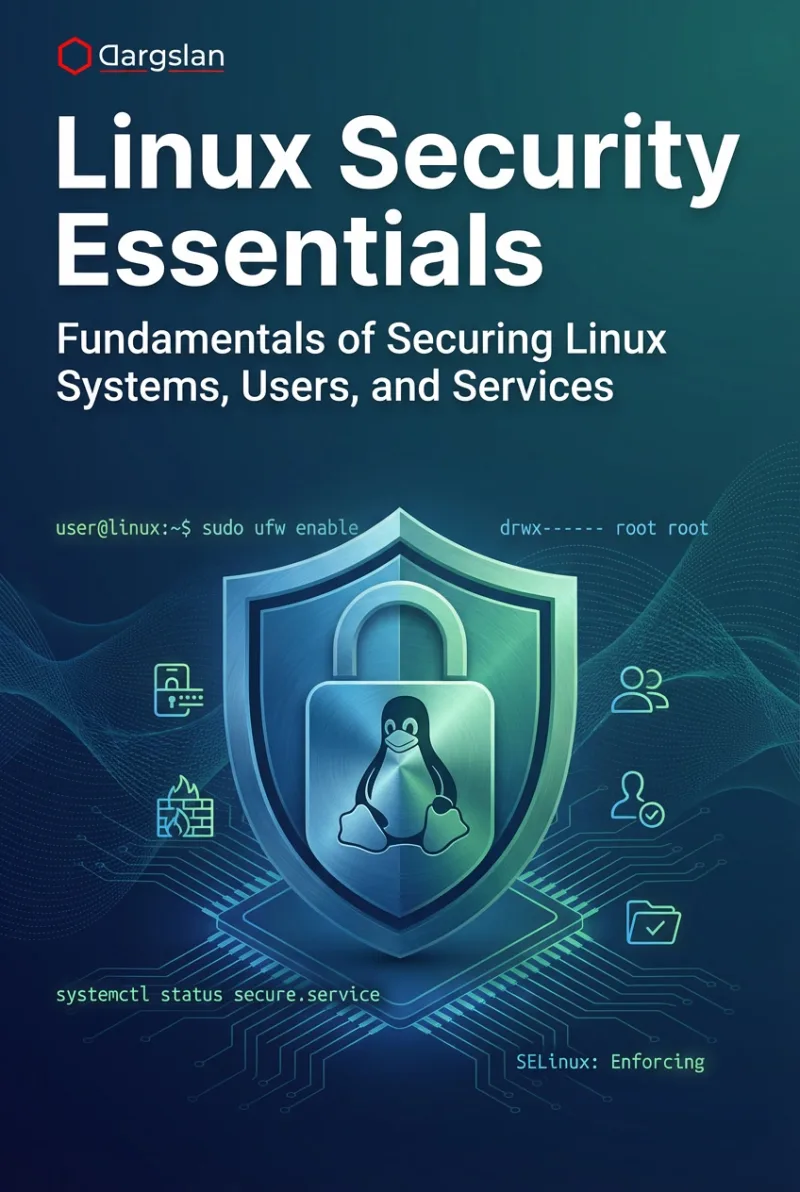
- Linux Security Hardening — Implement the latest security best practices on your Linux servers
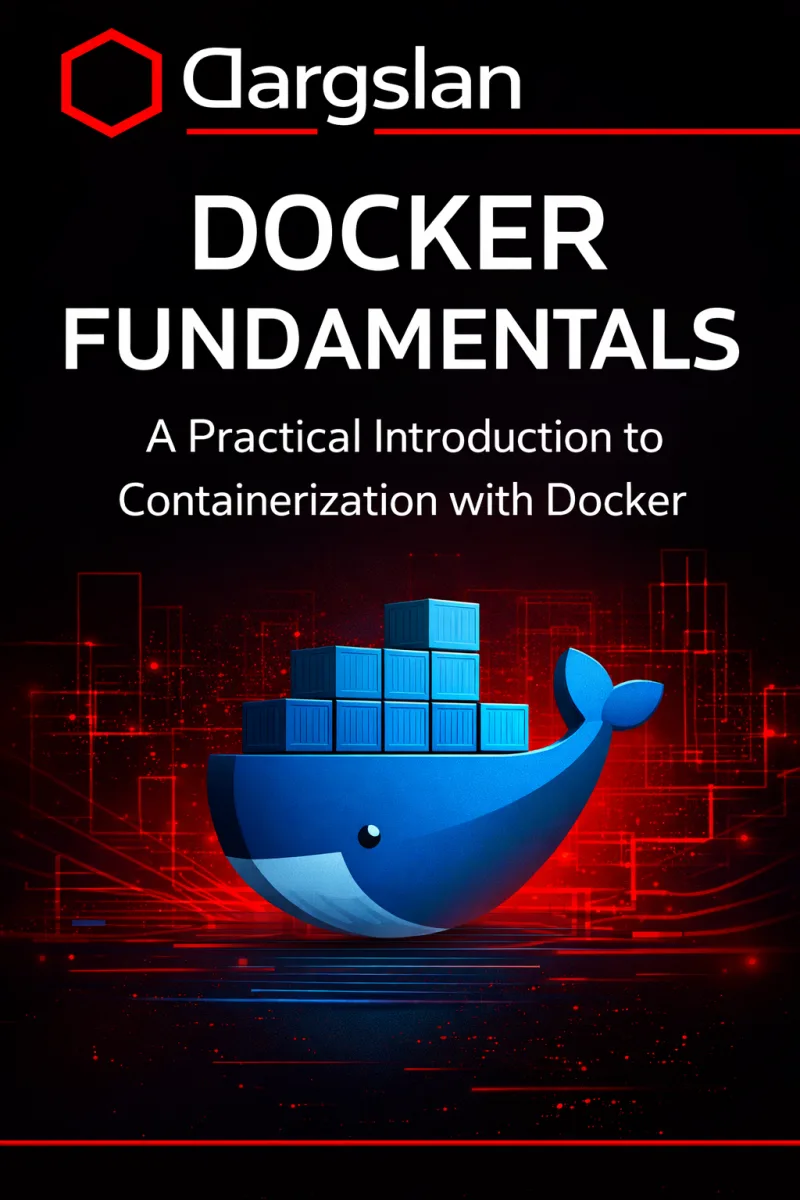
- Docker Fundamentals — Master containerization from the ground up
- Cloud Computing Basics — Build your cloud knowledge foundation