What Is DevOps & Infrastructure?
DevOps is a set of practices that combines software development (Dev) and IT operations (Ops) to shorten the development lifecycle while delivering features, fixes, and updates frequently and reliably. Infrastructure management involves designing, deploying, and maintaining the servers, networks, and services that applications run on.
Modern DevOps relies heavily on containerization (Docker), orchestration (Kubernetes), infrastructure as code (Terraform, Ansible), and CI/CD pipelines. Our collection covers these essential tools with practical, hands-on guides designed for real-world application.
Why DevOps Skills Matter
- Industry Standard: 83% of organizations have adopted DevOps practices
- Faster Delivery: DevOps teams deploy 200x more frequently
- Higher Reliability: Automated testing and deployment reduce failures
- Top Salaries: DevOps engineers are among the highest-paid IT professionals
- Cloud-Native: Modern cloud architecture requires DevOps expertise
- Scalability: Containers and orchestration enable massive scale
Who Should Learn DevOps?
- System Administrators: Evolve your career into modern infrastructure
- Developers: Understand deployment and operations
- IT Managers: Lead digital transformation initiatives
- Cloud Engineers: Build and manage cloud-native infrastructure
- QA Engineers: Integrate testing into CI/CD pipelines
- Career Changers: Enter one of tech's most in-demand fields
Key Topics Covered
- Docker containerization and image management
- Kubernetes orchestration and cluster management
- CI/CD pipeline design and implementation
- Infrastructure as Code (Terraform, Ansible)
- Monitoring and observability
- Log management and analysis
- GitOps and version-controlled infrastructure
- Microservices architecture
- Container security and best practices
Recommended Learning Path
- Linux Fundamentals: Command line, file systems, networking
- Version Control: Git workflows and branching strategies
- Containerization: Docker basics, images, volumes, networking
- CI/CD: Build automated pipelines (Jenkins, GitHub Actions, GitLab CI)
- Orchestration: Kubernetes deployment, services, scaling
- Infrastructure as Code: Terraform and Ansible for automation
Career Opportunities
- DevOps Engineer: €60,000 – €100,000/year
- Site Reliability Engineer: €70,000 – €120,000/year
- Platform Engineer: €65,000 – €110,000/year
- Cloud Architect: €80,000 – €140,000/year
- Infrastructure Engineer: €55,000 – €90,000/year
- DevOps Consultant: €80 – €200/hour
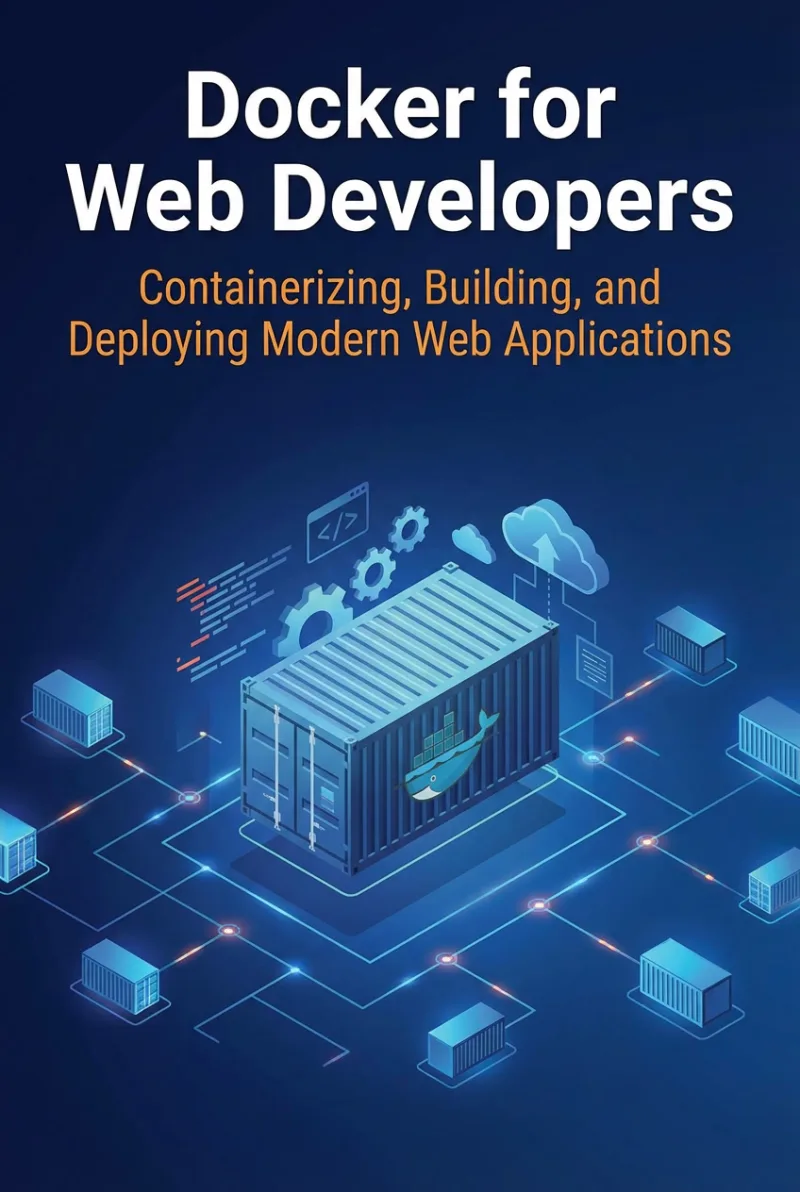
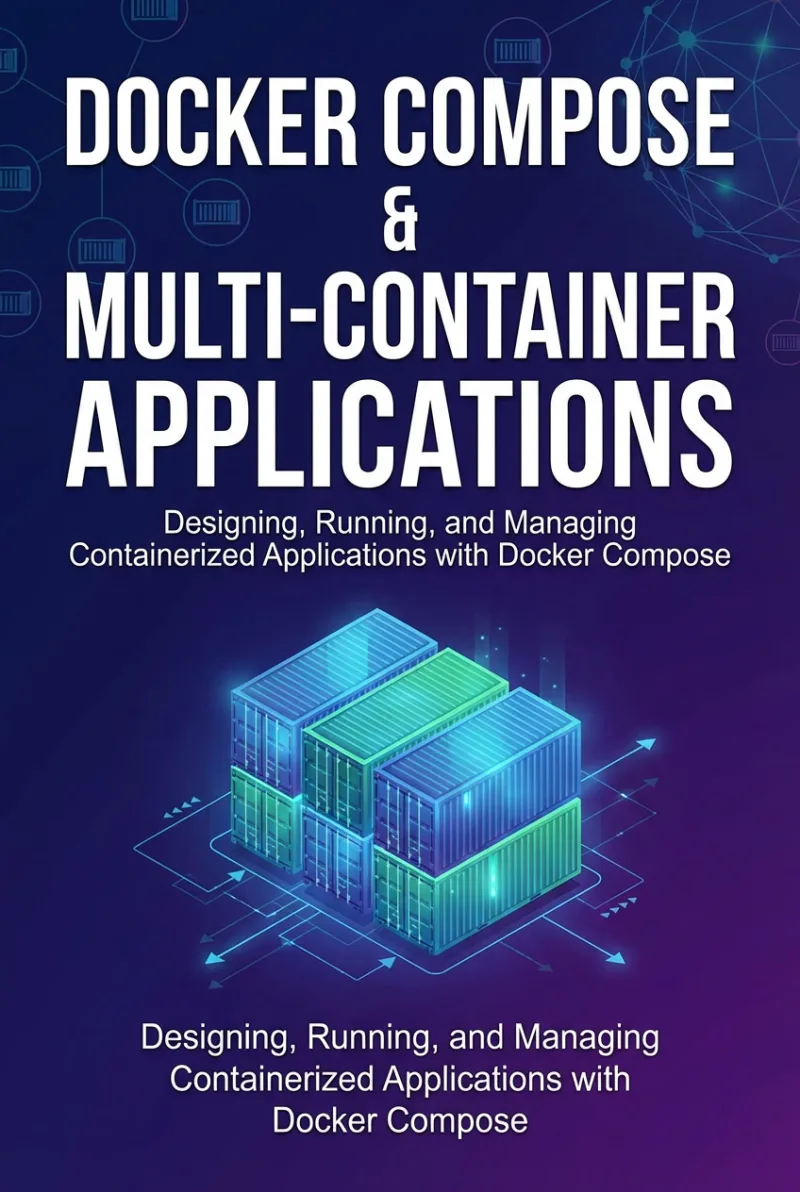
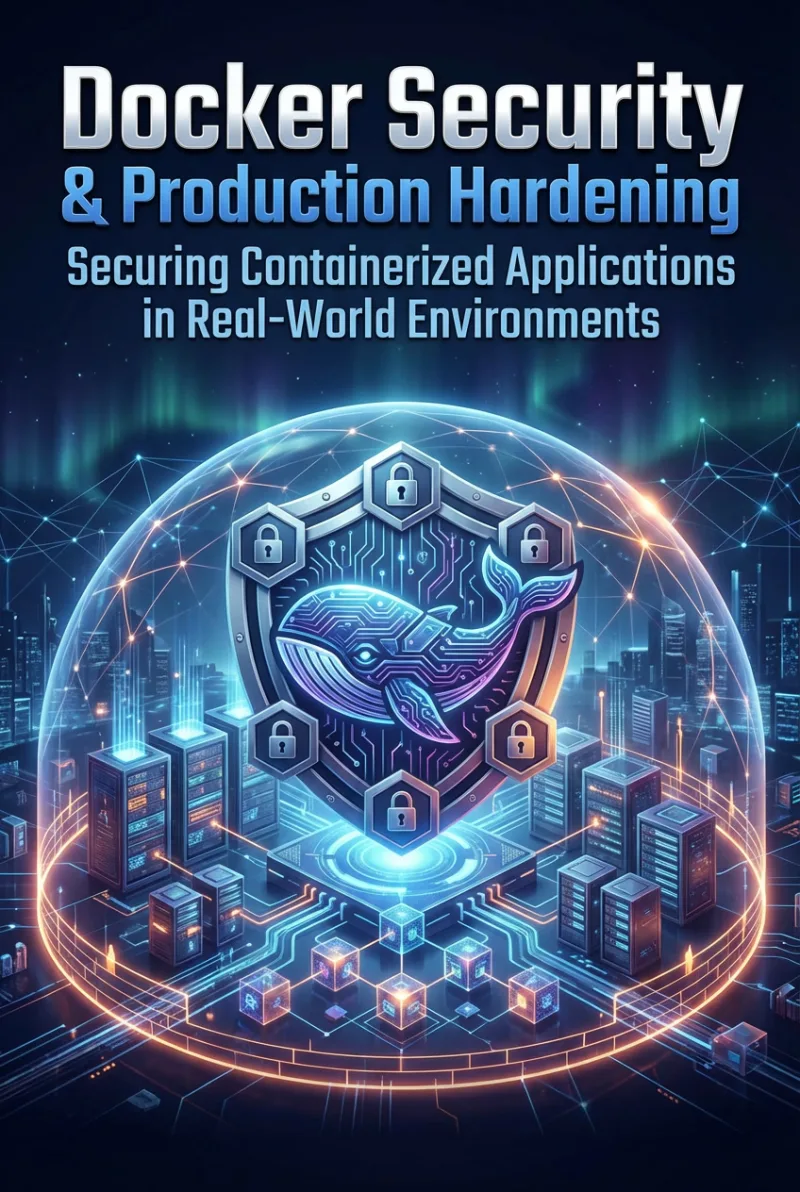
Recommended DEVOPS & INFRASTRUCTURE Books

Frequently Asked Questions
Launch Your DevOps Career
Explore our DevOps books and master the tools that modern infrastructure demands.
Browse DevOps Books