🎁 New User? Get 20% off your first purchase with code NEWUSER20 Register Now →
Menu

Categories

Cloud Computing Intermediate

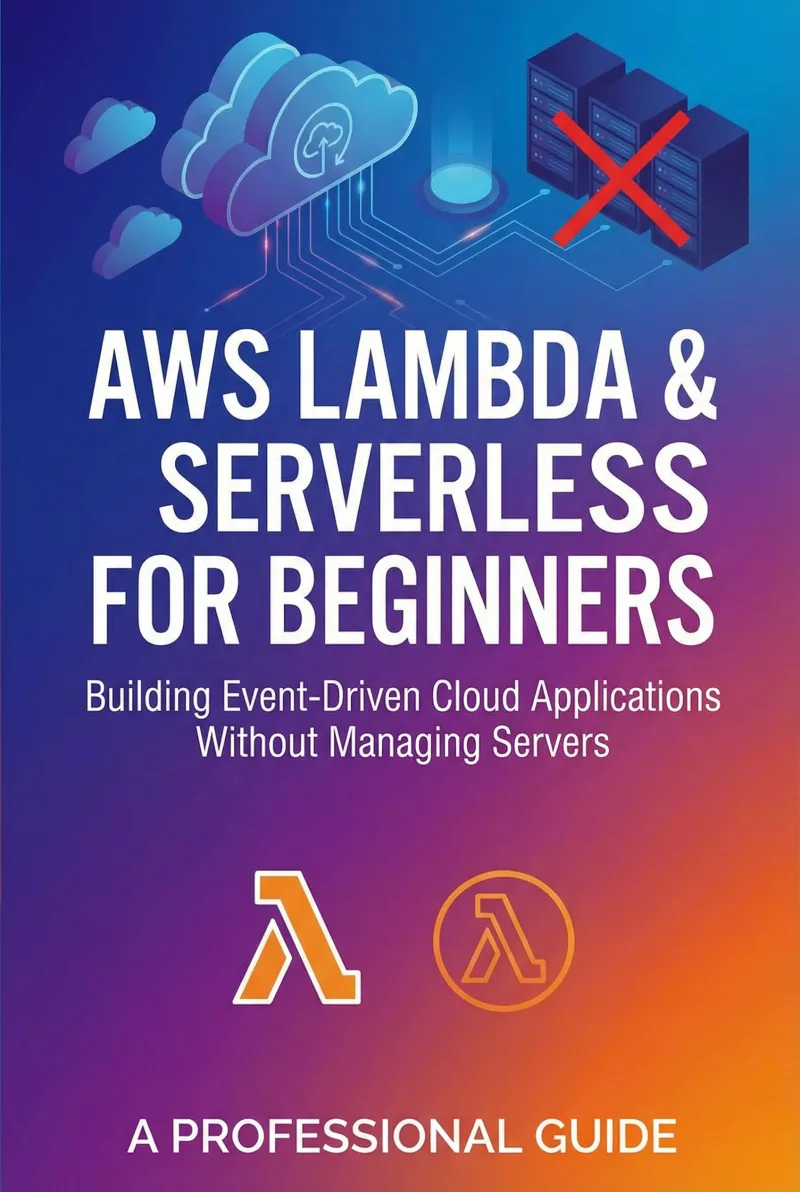
What is Cloud Function?

A serverless compute service that runs code in response to events without requiring server management or infrastructure provisioning.

Cloud functions execute small pieces of code (functions) in response to triggers like HTTP requests, database changes, file uploads, or scheduled timers. Major implementations include AWS Lambda, Google Cloud Functions, and Azure Functions. Functions are stateless, scale automatically from zero to thousands of instances, and charge only for actual execution time (measured in milliseconds). They are ideal for event processing, API backends, data transformations, and automation tasks. Limitations include cold start latency, execution time limits (typically 5-15 minutes), and complexity in managing many interconnected functions.
Related Terms

Kubernetes Pod
The smallest deployable unit in Kubernetes, consisting of one or more containers that share storage, network, and lifecycle.
VPC (Virtual Private Cloud)
An isolated virtual network within a cloud provider where you can launch resources with full control over IP addressing, routing, and security.
Cloud Cost Optimization
Strategies and practices to reduce and control cloud computing expenses while maintaining performance and availability.
SaaS (Software as a Service)
A cloud delivery model where software applications are hosted and managed by a provider and accessed by users over the internet.
Cloud Storage Tiers
Different storage classes offered by cloud providers, optimized for varying access patterns from frequent to archival use.
Google Cloud Platform (GCP)
Google's suite of cloud computing services running on the same infrastructure that Google uses for its consumer products.
View All Cloud Computing Terms →