🎁 New User? Get 20% off your first purchase with code NEWUSER20 Register Now →
Menu

Categories

Cloud Computing Intermediate

What is Lambda Function (Cloud)?

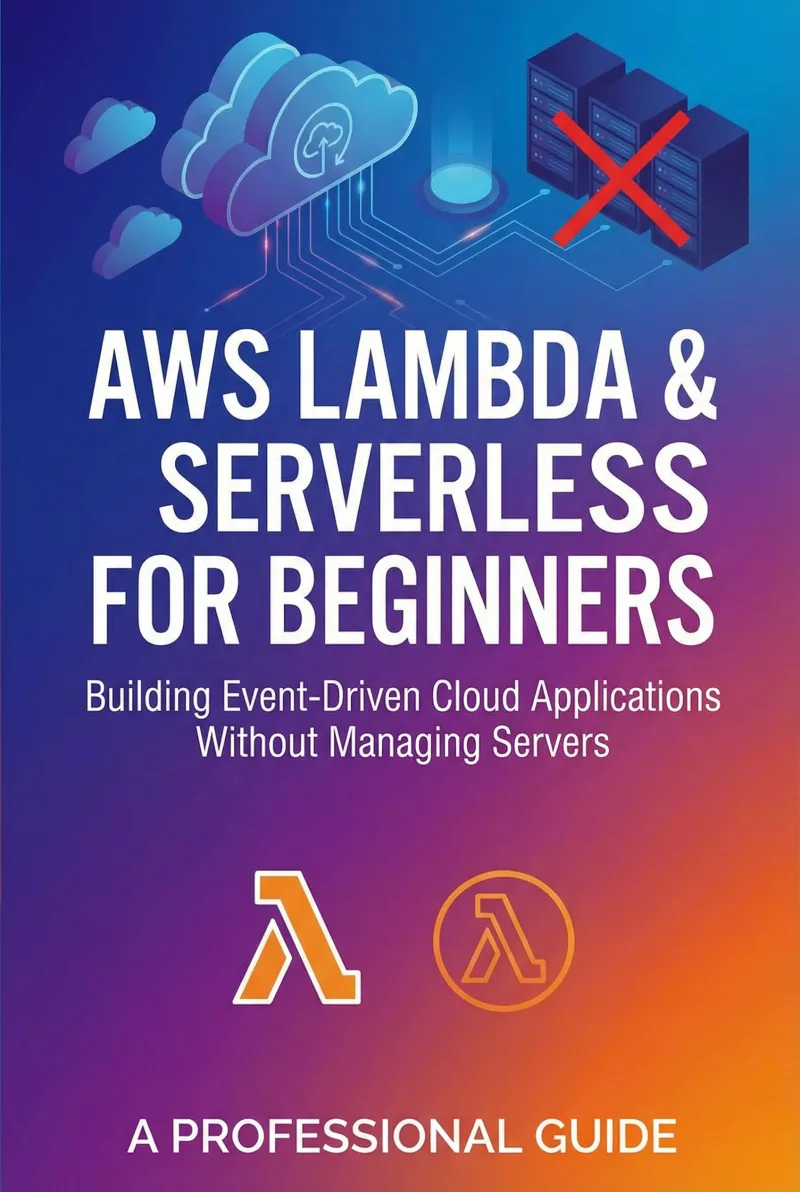
An AWS serverless compute service that runs code in response to events without provisioning or managing servers.

AWS Lambda executes functions triggered by events: API Gateway requests, S3 uploads, DynamoDB changes, SQS messages, scheduled events, and more. You pay only for execution time (billed per millisecond) with no idle costs.

Functions have memory (128MB-10GB), timeout (up to 15 minutes), and concurrent execution limits. Cold starts (first invocation delay) can be mitigated with provisioned concurrency. Lambda supports Python, Node.js, Java, Go, Ruby, .NET, and custom runtimes via containers.
Related Terms

Cloud Function
A serverless compute service that runs code in response to events without requiring server management or infrastructure provisioning.
Kubernetes Service
An abstraction that provides a stable network endpoint for accessing a group of Pods, handling load balancing and service discovery.
Cloud Migration
The process of moving applications, data, and workloads from on-premises infrastructure to cloud computing environments.
Region and Availability Zone
Geographic locations where cloud providers operate data centers, with zones providing redundancy within a region.
Cloud Storage Tiers
Different storage classes offered by cloud providers, optimized for varying access patterns from frequent to archival use.
VPC (Virtual Private Cloud)
An isolated virtual network within a cloud provider where you can launch resources with full control over IP addressing, routing, and security.
View All Cloud Computing Terms →