🎁 New User? Get 20% off your first purchase with code NEWUSER20 Register Now →
Menu

Categories

Cloud Computing Intermediate

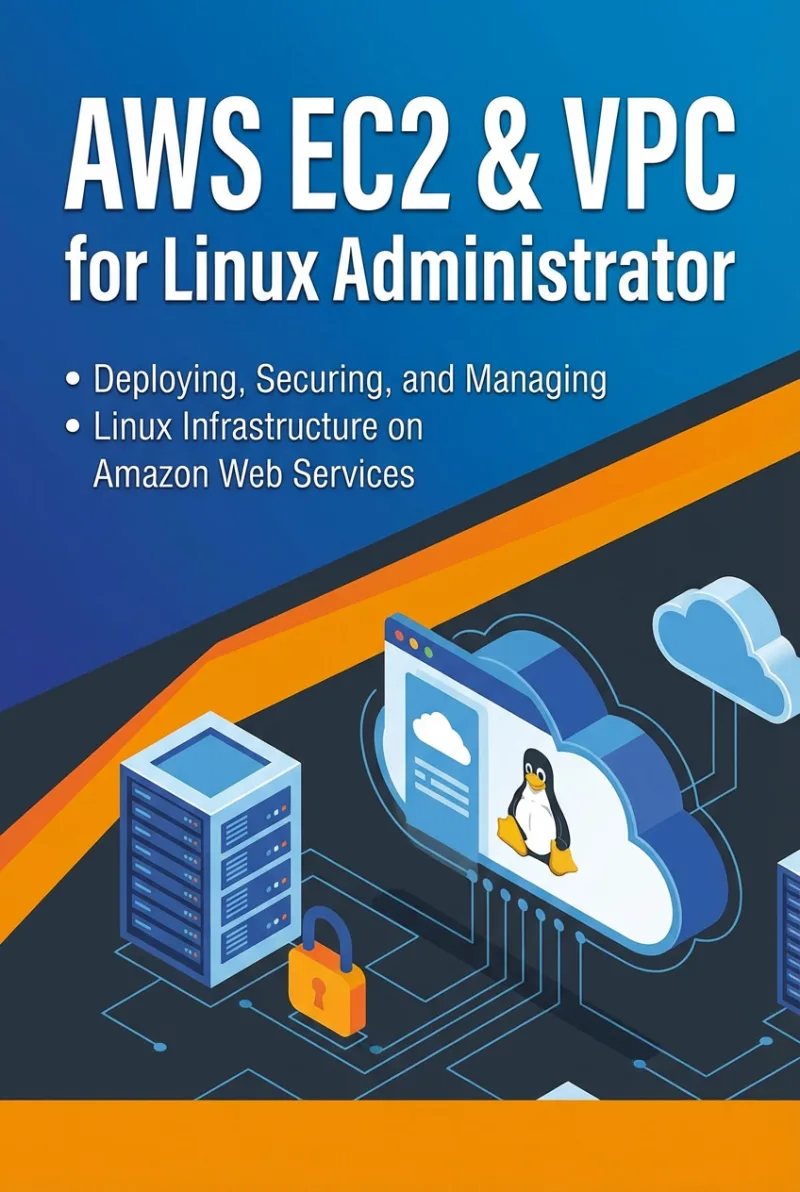
What is VPC (Virtual Private Cloud)?

An isolated virtual network within a cloud provider where you can launch resources with full control over IP addressing, routing, and security.

A VPC is your private network in the cloud. You define the IP range (CIDR block), create subnets (public and private), configure route tables, and set up internet/NAT gateways. Resources in a VPC are isolated from other customers.

Key components include subnets (segment the VPC), security groups (instance-level firewalls), NACLs (subnet-level firewalls), route tables, internet gateways (public access), NAT gateways (outbound-only for private subnets), and VPC peering (connect VPCs).
Related Terms

S3 (Simple Storage Service)
An AWS object storage service that stores and retrieves any amount of data from anywhere on the web.
Kubernetes Pod
The smallest deployable unit in Kubernetes, consisting of one or more containers that share storage, network, and lifecycle.
Elastic Load Balancing
An AWS service that automatically distributes incoming application traffic across multiple targets like EC2 instances and containers.
Virtual Machine (VM)
A software-based emulation of a physical computer that runs its own operating system and applications.
Cloud-Native
An approach to building applications that fully exploit cloud computing advantages like scalability, resilience, and flexibility.
Cloud Computing
The delivery of computing services over the internet, including servers, storage, databases, and software on demand.
View All Cloud Computing Terms →