PHP Security Best Practices
Building Secure PHP Applications: Validation, Authentication, and Defense-in-Depth
What's Included:
At a Glance
PHP Security Best Practices is a professional PHP eBook by Petr Novak, 511 pages, available as an instant PDF and EPUB download for €21.90 with lifetime access and free updates. Building Secure PHP Applications: Validation, Authentication, and Defense-in-Depth.
- Length: 511 pages
- Format: PDF and EPUB (instant download)
- Language: English
- Topic: PHP
- Edition: 1st Edition
- Price: €21.90
Key Highlights
- PHP-specific security patterns
- Defense-in-depth approach
- Secure authentication and session handling
- Real-world vulnerability prevention
- Production hardening guidance
Overview
Learn how to secure PHP applications against real-world attacks using proven best practices for validation, authentication, session handling, and defense-in-depth.
The Problem
Many PHP applications are vulnerable because security is added too late or implemented incorrectly, leaving them exposed to common web attacks.
The Solution
This book teaches security-first PHP development, providing proven techniques to protect applications from the most common and dangerous vulnerabilities.
About This Book
Practical Security for Real-World PHP Applications
PHP Security Best Practices is a hands-on guide for developers who want to build PHP applications that are secure by design—not patched after a breach. Security vulnerabilities in PHP applications remain one of the most common attack vectors on the web, and this book teaches you how to prevent them from the start.
This book focuses on real attack vectors that PHP applications face today, including SQL injection, cross-site scripting (XSS), cross-site request forgery (CSRF), insecure authentication, file upload vulnerabilities, and server misconfiguration. Every security concept is demonstrated with practical PHP code examples and production-ready patterns.
What You Will Learn
- Input validation strategies tailored specifically to PHP applications
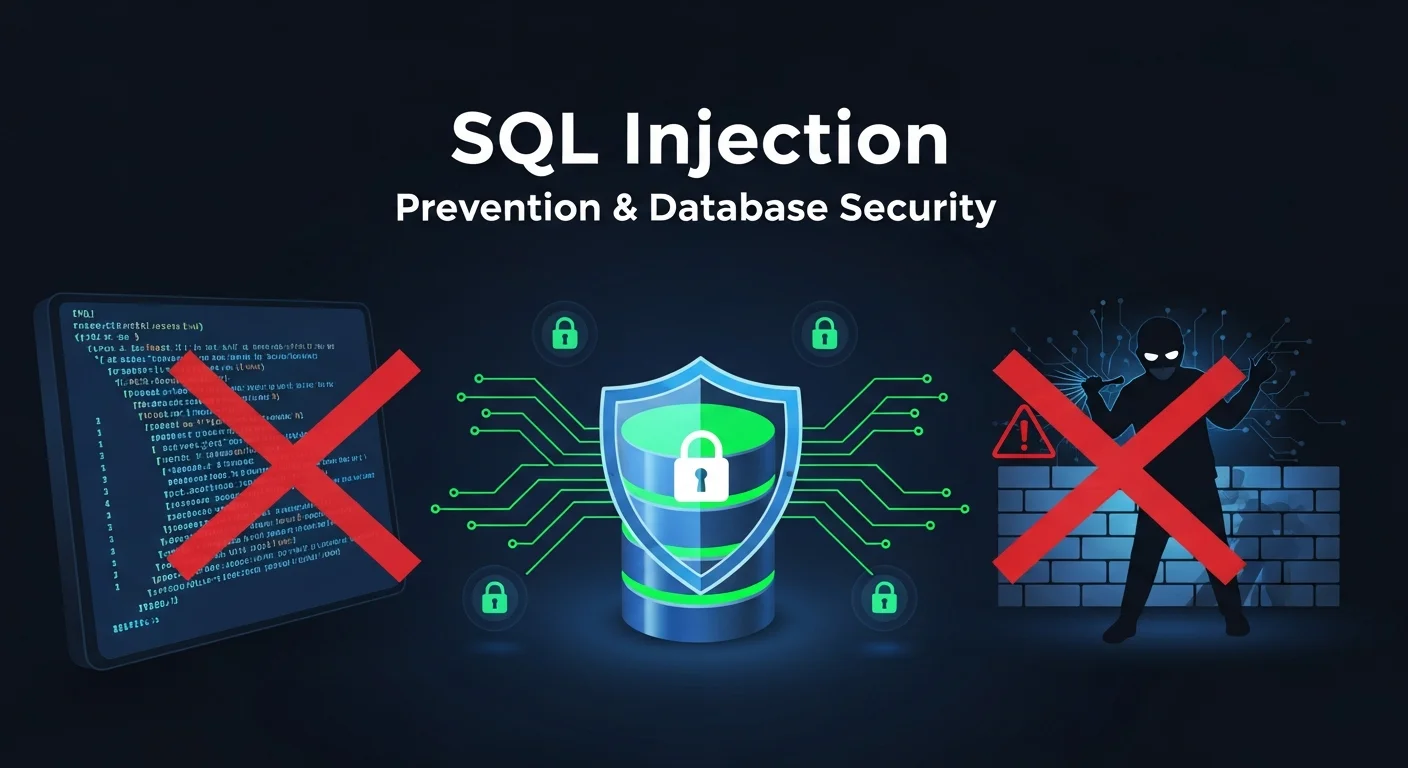
- Preventing SQL injection with prepared statements and parameterized queries
- Output escaping and XSS mitigation using proper encoding techniques
- Secure authentication implementation and password hashing with bcrypt/Argon2
- Session security, token management, and CSRF protection
- File upload hardening and preventing arbitrary code execution
- PHP configuration security and php.ini hardening
- Secure deployment practices and server configuration
- Security headers and content security policy implementation
- Logging, monitoring, and incident response for PHP applications
Who Is This Book For?
This book is designed for PHP developers who want to write secure code and understand modern web application security. It is ideal for:
- PHP developers building web applications
- Backend engineers maintaining existing PHP codebases
- Full-stack developers responsible for application security
- Development teams preparing for security audits
- Anyone who wants to understand how attackers exploit PHP vulnerabilities
Why This Book?
Unlike generic security guides, this book focuses specifically on PHP and the unique security challenges of the PHP ecosystem. You will learn to think like an attacker while building defenses that protect your applications and users.
Prerequisites
Basic PHP programming knowledge is required. Familiarity with web development concepts (HTML, HTTP, databases) is helpful.
Author: Petr Novák
Who Is This Book For?
- PHP developers building production applications
- Web developers handling user data
- Teams maintaining legacy PHP systems
- Technical leads responsible for code quality
- Freelancers delivering secure client projects
Who Is This Book NOT For?
- Absolute beginners with no PHP knowledge
- Developers seeking framework-specific guides only
- Non-web programmers
Table of Contents
- Why PHP Applications Get Attacked
- Core Security Principles
- Input Validation Done Right
- Output Escaping and XSS Prevention
- Preventing SQL Injection
- Securing Database Access
- Secure Authentication Basics
- Session Security and Cookie Hardening
- CSRF Protection
- File Upload Security
- Secure PHP Configuration
- Error Handling and Logging Without Leaks
- Composer and Dependency Security
- Secure Coding Patterns and Code Review
- Security Testing Basics
- Production Hardening and Incident Readiness
Requirements
- Basic PHP programming knowledge
- Understanding of web applications
- Familiarity with HTML and HTTP concepts