
Network Security Fundamentals
Core Concepts, Threats, and Defensive Strategies for Modern Networks
What's Included:
At a Glance
Network Security Fundamentals is a professional NETWORKING & SECURITY eBook by Ethan Marshall, 346 pages, available as an instant PDF and EPUB download for €19.90 with lifetime access and free updates. Core Concepts, Threats, and Defensive Strategies for Modern Networks.
- Length: 346 pages
- Format: PDF and EPUB (instant download)
- Language: English
- Topic: NETWORKING & SECURITY
- Edition: 1st Edition
- Price: €19.90
Key Highlights
- Clear explanation of network security fundamentals
- Defensive-first approach
- Real-world network threat examples
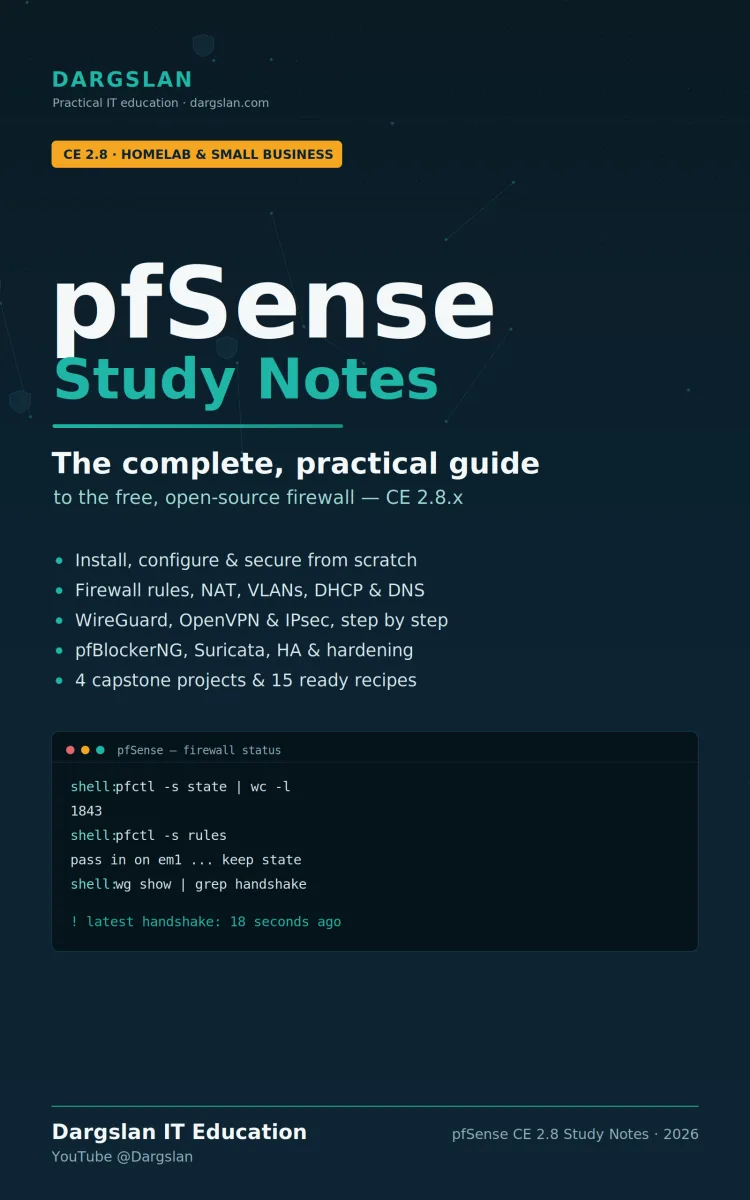
- Firewall, VPN, and encryption coverage
- Ideal foundation for cybersecurity careers
Overview
Learn how modern networks are attacked and defended. Understand network threats, architecture, firewalls, encryption, monitoring, and defensive strategies used in real-world environments.
The Problem
Many organizations focus on endpoint or application security while overlooking network-layer weaknesses. Without strong network security fundamentals, attackers can move laterally, intercept traffic, and bypass defenses.
The Solution
This book teaches how networks are attacked and defended, providing practical defensive strategies that protect traffic, devices, and infrastructure from common threats.
About This Book
Build a Strong Foundation in Network Security
Network Security Fundamentals provides a clear, structured introduction to securing modern network infrastructures. Networks are the backbone of every organization, and understanding how to protect them is essential for any IT or security professional.
This book explains how networks are designed, how attackers exploit vulnerabilities at the network layer, and how defenders protect traffic, devices, and data using proven security principles and modern tools.
What You Will Learn
- Network architecture fundamentals and how they impact security
- The OSI and TCP/IP models from a security perspective
- Common network-based attacks: reconnaissance, MITM, DDoS, spoofing
- Firewall design, stateful inspection, and traffic filtering principles
- Network segmentation, VLANs, and DMZ architectures
- Intrusion detection and prevention systems (IDS/IPS)
- VPN technologies: IPsec, SSL/TLS VPNs, and WireGuard
- Wireless network security: WPA3, rogue APs, and WiFi attacks
- Encryption and secure communication protocols
- Network monitoring, logging, and traffic analysis
- Incident detection and response at the network level
- Cloud networking security considerations
Who Is This Book For?
This book is designed for IT professionals entering the security field or expanding their network knowledge. It is ideal for:
- Network administrators adding security skills
- System administrators responsible for infrastructure
- Security analysts and SOC team members
- Students preparing for security certifications (Security+, CCNA Security)
- Anyone starting a career in cybersecurity
Why This Book?
This book is ideal as a first cybersecurity book or as a solid refresher for IT professionals transitioning into security roles. Theory is always connected to practical application.
Prerequisites
Basic understanding of networking concepts (IP addresses, ports, protocols) is helpful but not required.
Author: Ethan Marshall
Who Is This Book For?
- Cybersecurity beginners
- IT administrators and network engineers
- Students studying cybersecurity or networking
- SOC and blue team professionals
- Ethical hacking and security learners
Who Is This Book NOT For?
- Advanced penetration testers seeking exploit-level depth
- Readers looking for hacking tools or scripts
- Highly specialized network security researchers
Table of Contents
- Why Network Security Matters
- Core Network Security Principles
- Understanding Network Architecture
- Network Attack Surface
- Common Network Attacks
- Malware and Network-Based Threats
- Authentication and Authorization in Networks
- Network Segmentation and Isolation
- Firewall Fundamentals
- Traffic Filtering and Visibility
- Encryption and Secure Protocols
- VPNs and Secure Tunnels
- Network Monitoring Basics
- Intrusion Detection and Prevention
- Network Security Best Practices
- Learning Path Beyond Network Security Fundamentals
Requirements
- Basic networking knowledge
- General IT or system administration familiarity
- No prior security experience required