What Are Databases?
Databases are organized collections of data that allow efficient storage, retrieval, and manipulation of information. They are the backbone of virtually every application, website, and business system in existence. From a simple blog to a multinational e-commerce platform, databases power the data layer.
Our collection focuses on relational database management systems (RDBMS), particularly PostgreSQL and MySQL — the two most popular open-source databases. You'll learn everything from basic SQL queries to advanced performance tuning, replication, and high-availability configurations.
Why Database Skills Matter
- Data Is Everything: Every application needs data storage and retrieval
- Performance Impact: Poor database design is the #1 cause of slow applications
- Universal Need: Database skills are required across all tech roles
- Career Value: DBAs and data engineers command premium salaries
- Cloud Migration: Moving databases to the cloud requires deep expertise
- Data Growth: Global data creation is growing exponentially, increasing demand for database professionals
Who Should Learn Databases?
- Developers: Write better queries and design efficient schemas
- System Administrators: Manage and maintain production databases
- Data Analysts: Extract insights with advanced SQL
- DevOps Engineers: Automate database deployment and backups
- Aspiring DBAs: Build a career in database administration
- IT Students: Learn fundamental data management skills
Key Topics Covered
- SQL fundamentals and advanced queries
- Database design and normalization
- PostgreSQL administration and tuning
- MySQL configuration and optimization
- Replication and high availability
- Backup and disaster recovery
- Indexing and query optimization
- Stored procedures and triggers
- Database security and access control
Recommended Learning Path
- SQL Basics: SELECT, INSERT, UPDATE, DELETE, JOINs
- Database Design: Normalization, ER diagrams, schema design
- Choose Your Database: PostgreSQL (recommended) or MySQL
- Administration: Installation, configuration, users, backups
- Performance Tuning: Indexing, query optimization, monitoring
- Advanced Topics: Replication, clustering, high availability
Career Opportunities
- Database Administrator: €50,000 – €85,000/year
- Data Engineer: €55,000 – €95,000/year
- Database Developer: €45,000 – €75,000/year
- Cloud Database Specialist: €60,000 – €100,000/year
- Database Architect: €75,000 – €120,000/year
- Freelance DBA: €60 – €150/hour
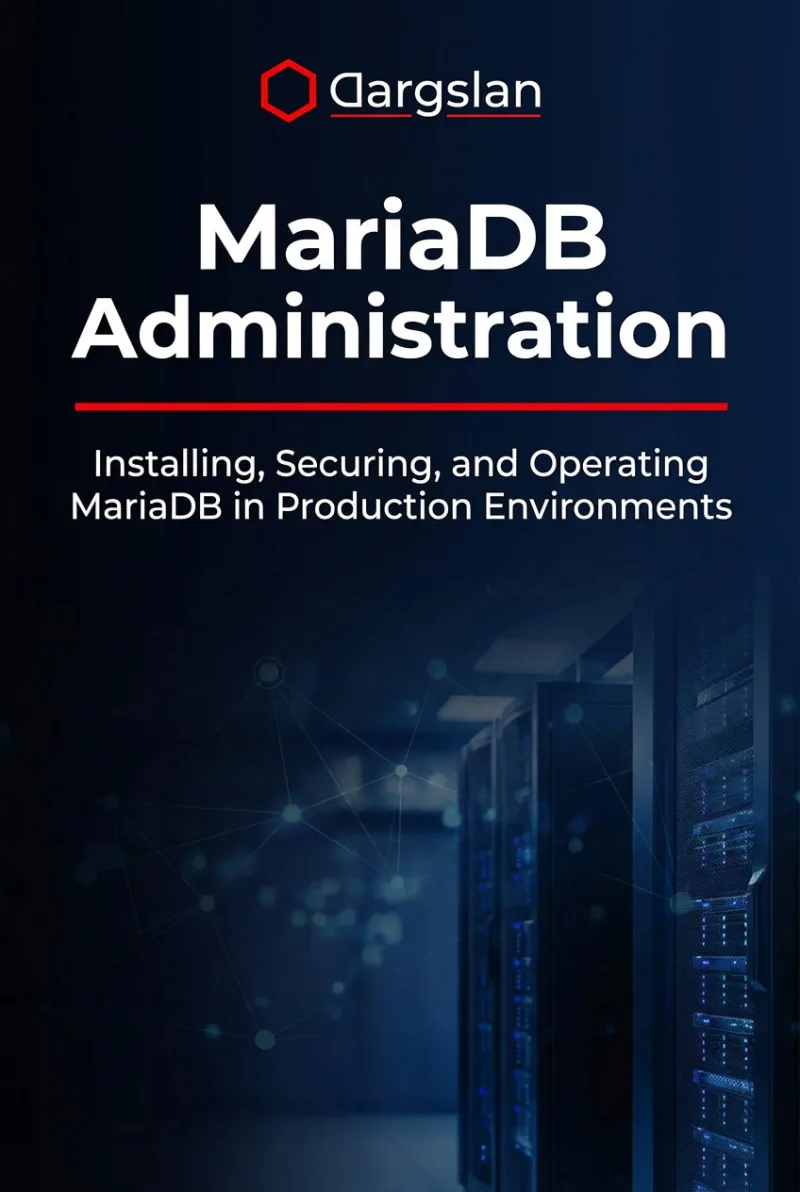
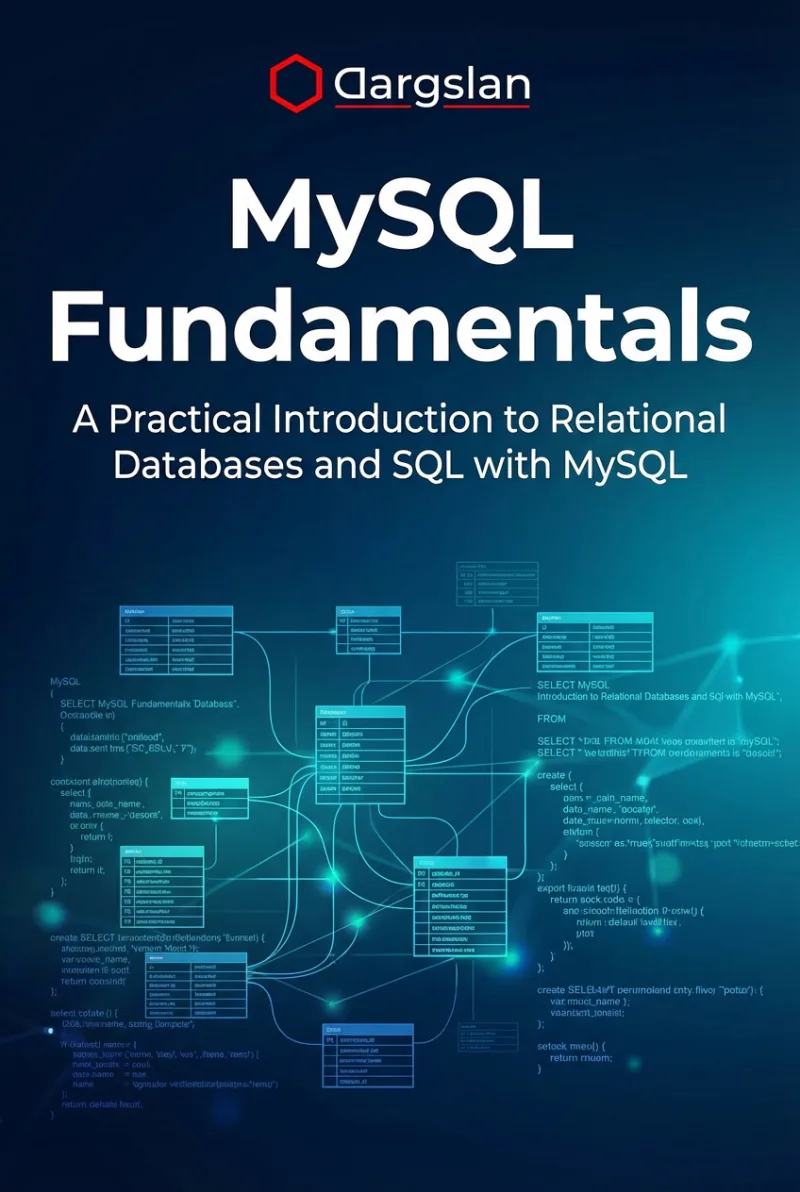
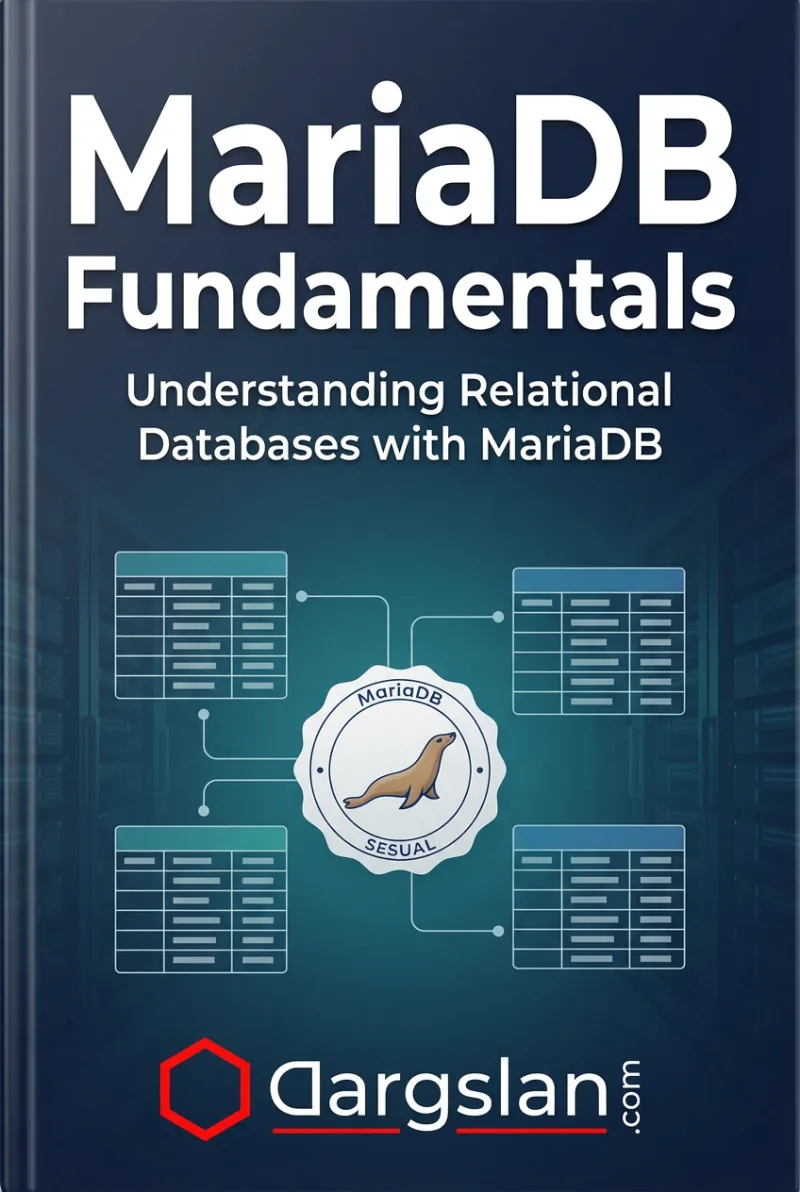
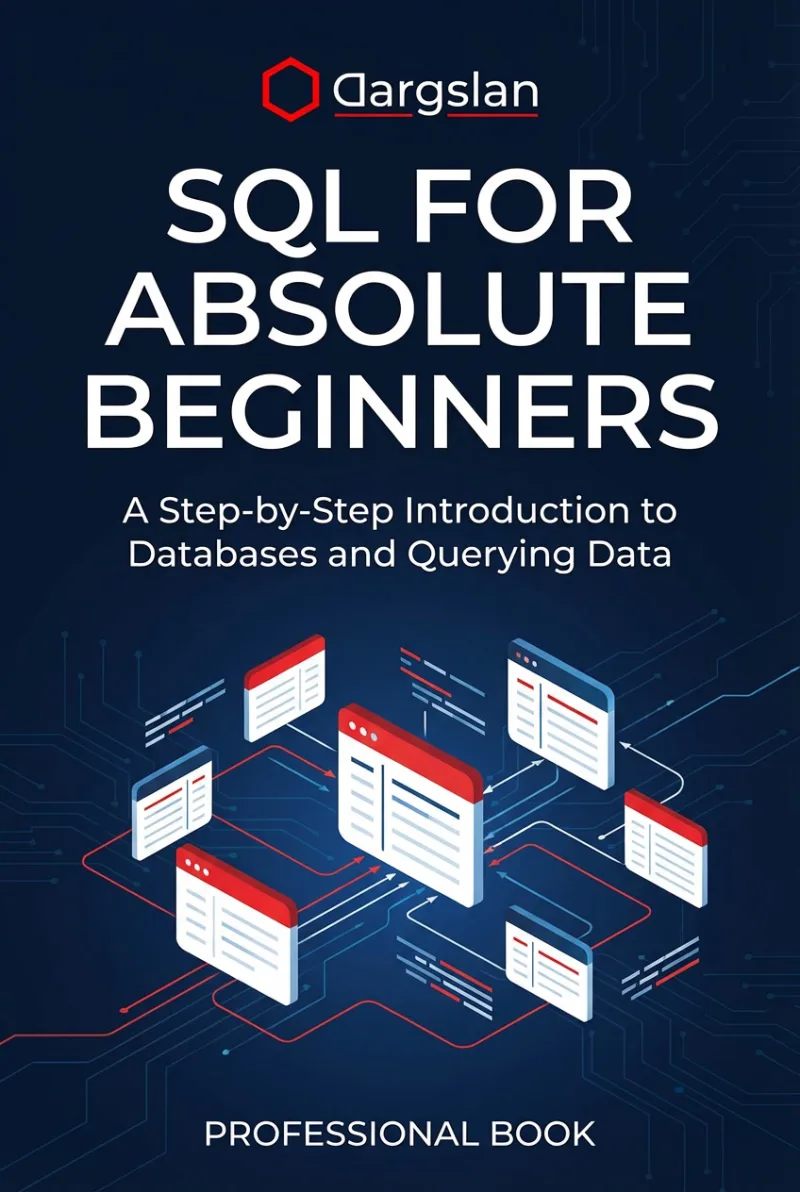
Recommended DATABASES Books
Frequently Asked Questions
Master Database Management
Explore our database books and build the skills to manage data at any scale.
Browse Database Books