What Is Linux?
Linux is a free, open-source operating system kernel created by Linus Torvalds in 1991. Today, Linux powers over 96% of the world's top web servers, all of the world's top 500 supercomputers, the majority of cloud infrastructure, and Android devices worldwide.
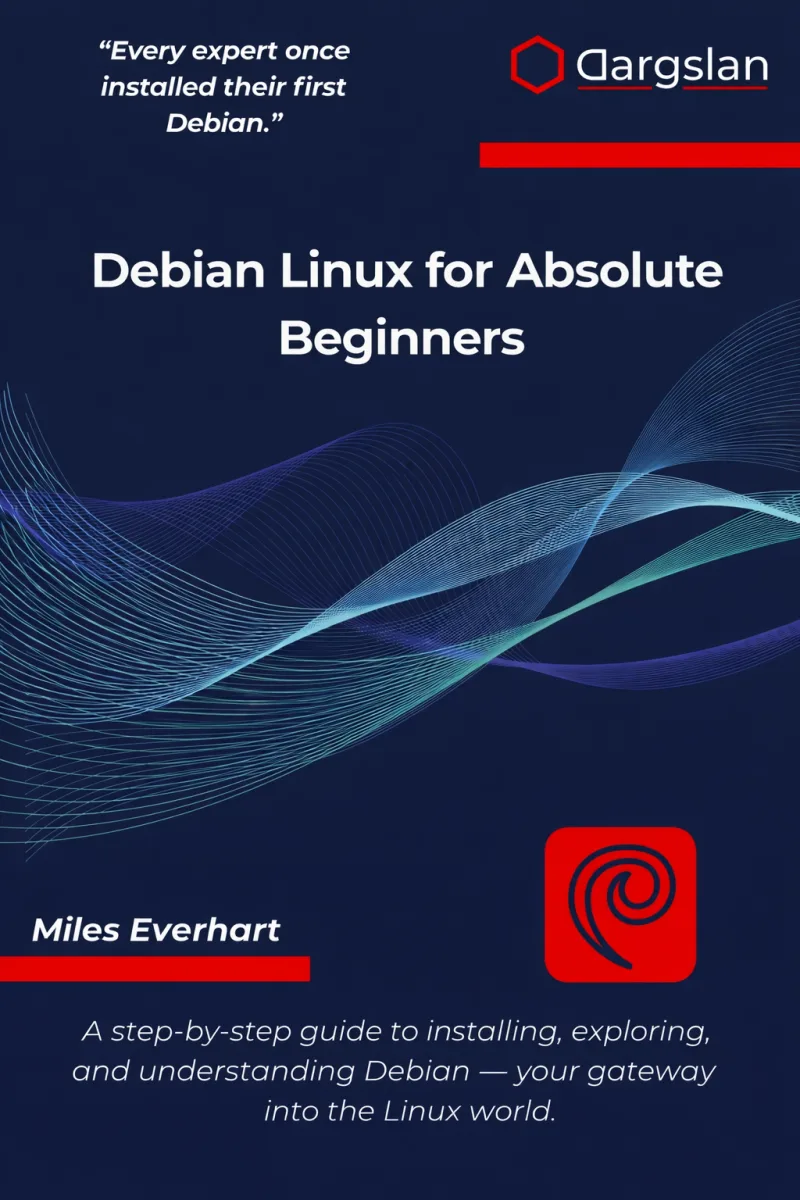
Linux comes in many distributions (distros) — Ubuntu, Debian, Red Hat Enterprise Linux (RHEL), AlmaLinux, CentOS, and many more. Each targets different use cases, from desktop computing to enterprise servers. Our comprehensive Linux collection covers administration, security, networking, storage, and certification preparation across all major distributions.
Why Learn Linux?
- Server Dominance: 96%+ of web servers, 100% of supercomputers run Linux
- Cloud Standard: AWS, Azure, and GCP primarily run Linux workloads
- DevOps Foundation: Docker, Kubernetes, and CI/CD are built on Linux
- Career Demand: Linux skills are required in 80%+ of IT job postings
- Free & Open Source: No licensing costs, infinite customization
- Security: Linux is inherently more secure than proprietary alternatives
Who Should Learn Linux?
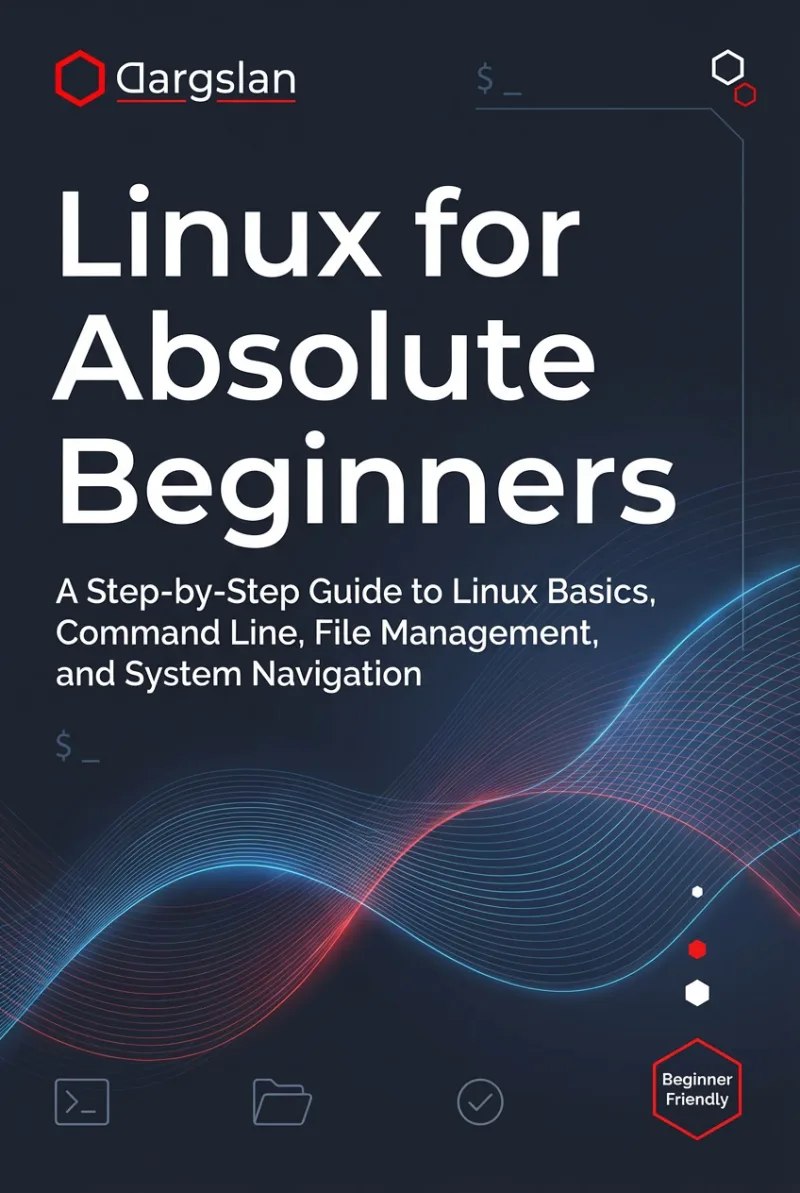
- IT Beginners: Build your career on the world's most important OS
- Windows Admins: Add Linux skills to become more versatile
- Developers: Most production environments run Linux
- DevOps Engineers: Linux is the foundation of modern infrastructure
- Security Professionals: Secure the most targeted platform
- Students: Prepare for certifications like LFCS, RHCSA, or CompTIA Linux+
Key Topics Covered
- Linux installation and configuration
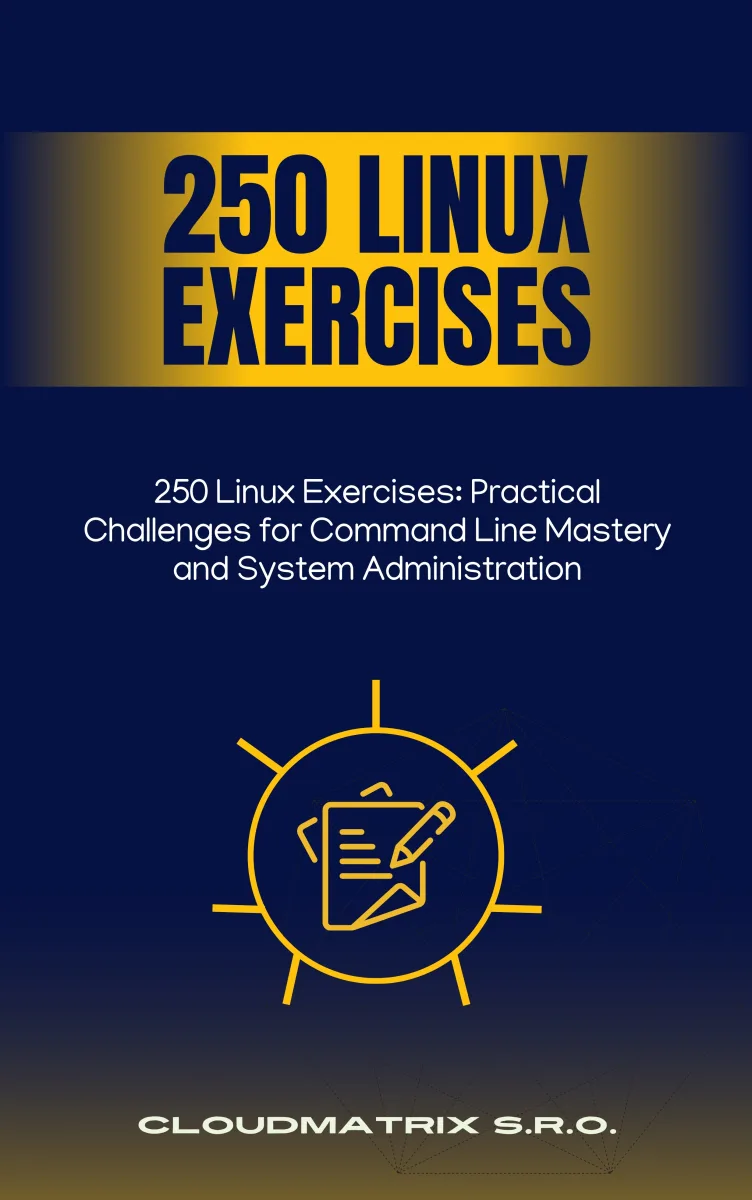
- Command-line mastery and shell navigation
- User and group management
- Package management (apt, yum, dnf)
- File systems, permissions, and ACLs
- Service management with systemd
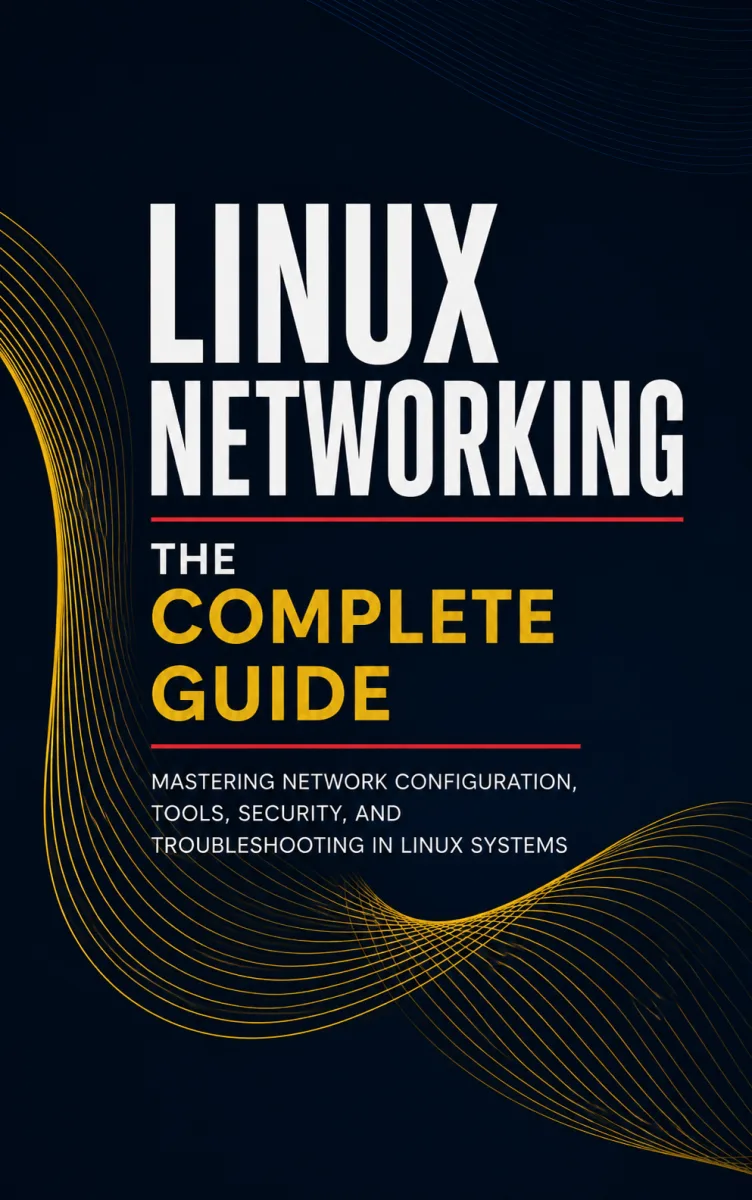
- Network configuration and troubleshooting
- Security hardening and firewalls
- Storage management (LVM, RAID, NFS)
- Bash scripting and automation
Recommended Learning Path
- Linux Fundamentals: Installation, navigation, basic commands
- Administration Basics: Users, permissions, packages, services
- Networking: IP configuration, DNS, SSH, firewalls
- Security: Hardening, SELinux/AppArmor, auditing
- Servers: Web, mail, file, database servers
- Advanced: Clustering, automation, containers, certification prep
Career Opportunities
- Linux System Administrator: €45,000 – €75,000/year
- Linux Engineer: €55,000 – €90,000/year
- DevOps Engineer: €60,000 – €100,000/year
- Cloud Linux Specialist: €60,000 – €95,000/year
- Linux Security Engineer: €65,000 – €105,000/year
- Senior Linux Architect: €80,000 – €130,000/year
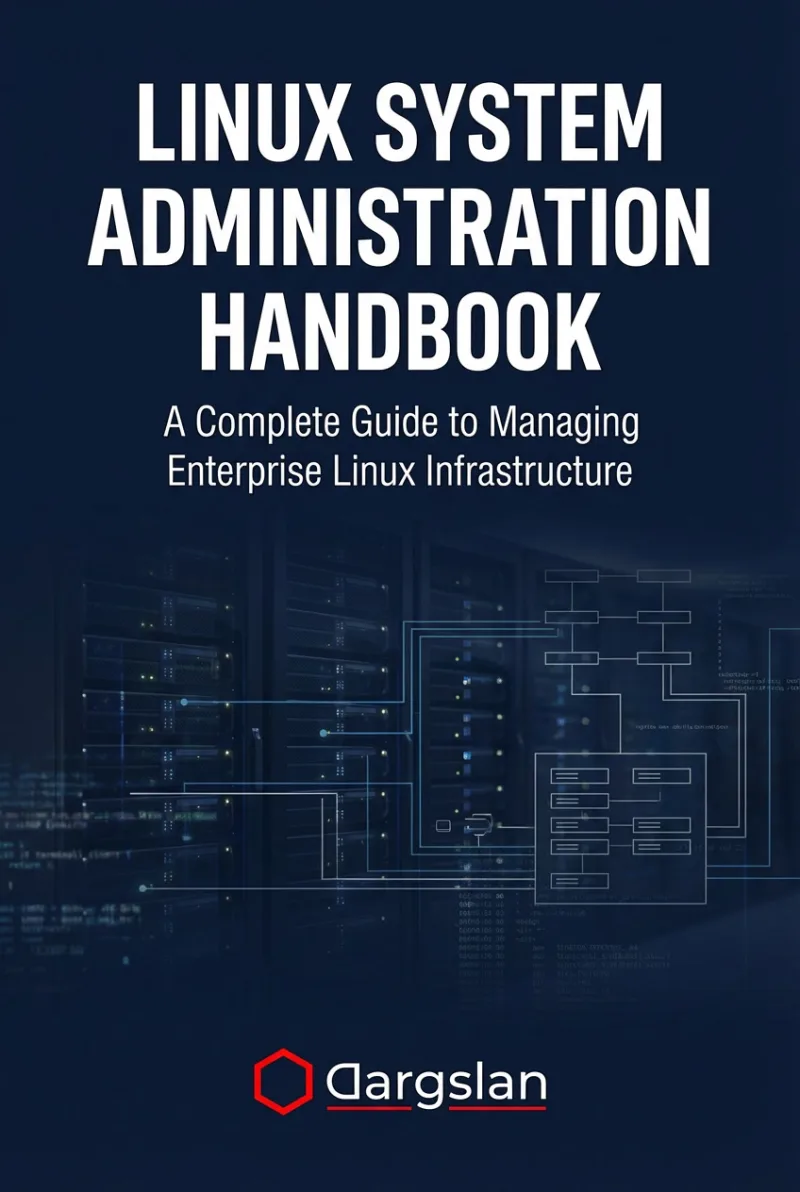
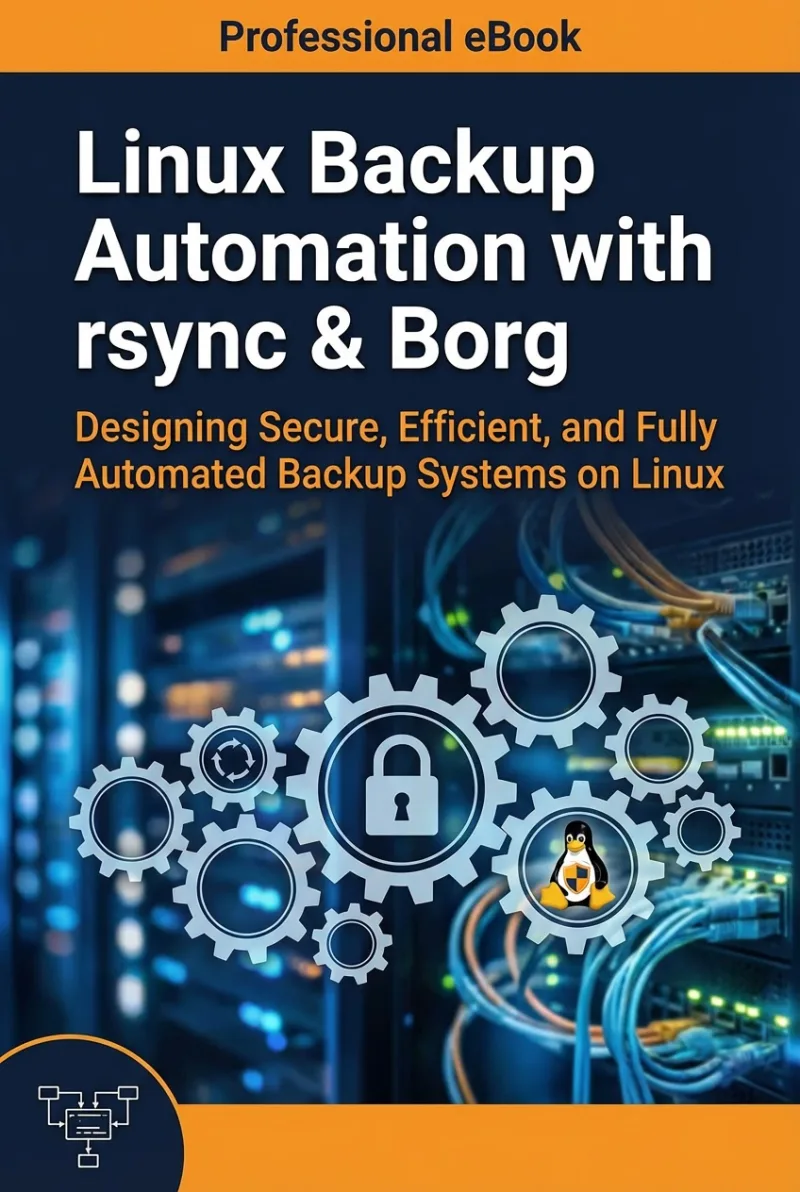
Recommended Linux Books

Frequently Asked Questions
Start Your Linux Journey
Browse our complete Linux library — from absolute beginner to advanced enterprise administration.
Browse Linux Books