Linux Networking: The Complete Guide
What's Included:
At a Glance
Linux Networking: The Complete Guide is a professional Linux Networking eBook by Dargslan, 568 pages, available as an instant PDF and EPUB download for €14.90 with lifetime access and free updates. Master Linux networking from fundamentals to advanced enterprise solutions. Learn IP addressing, the ip and ifconfig tools, DNS, DHCP, SSH, firewalls, VPNs, con...
- Length: 568 pages
- Format: PDF and EPUB (instant download)
- Language: English
- Topic: Linux Networking
- Edition: 1st Edition
- Price: €14.90
Key Highlights
- Complete coverage from networking fundamentals to advanced enterprise implementations
- Master both modern
iputilities and traditionalifconfigcommands - IP addressing, subnetting, routing, gateways, DNS, and DHCP configuration
- Hands-on fluency with ping, traceroute, netstat, ss, tcpdump, nmap, netcat, curl, and wget
- SSH remote management and secure server administration
- Web hosting with Apache and Nginx; file sharing with FTP and Samba
- Running your own DNS and DHCP servers
- Linux firewalls from basic rules to advanced techniques
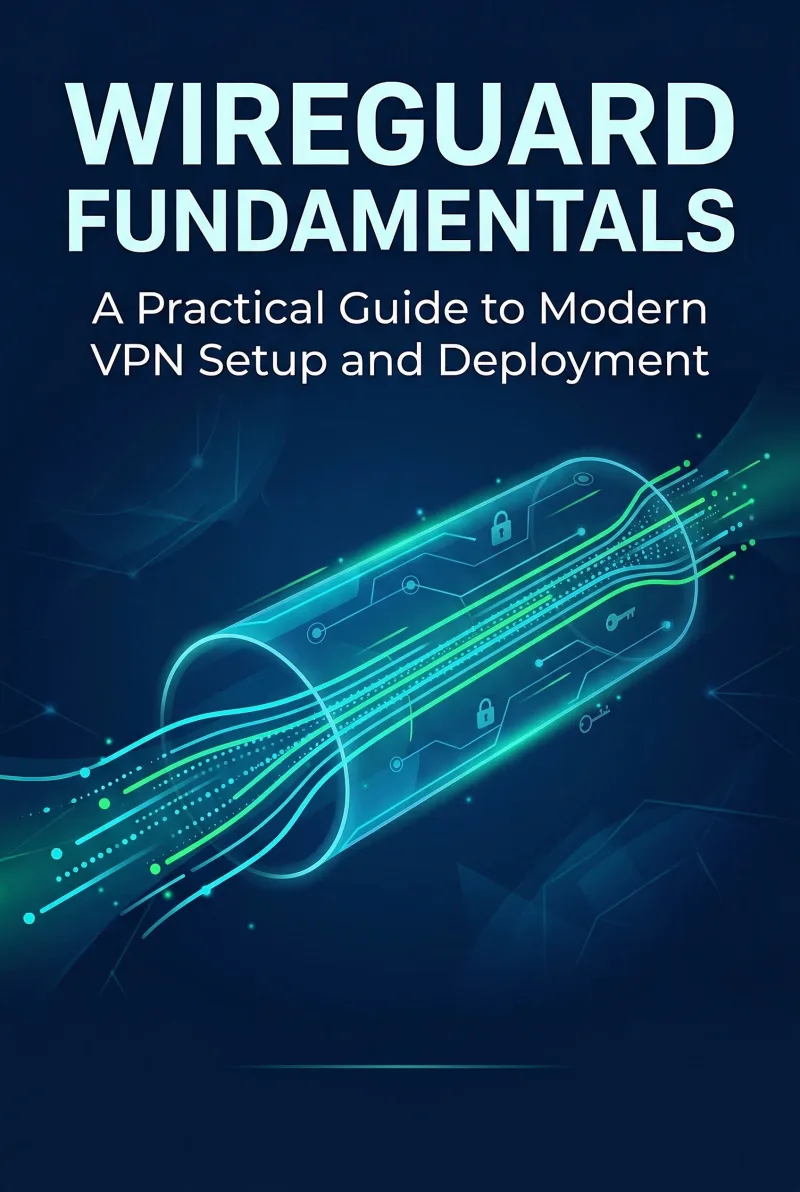
- VPN setup, tunneling, and network security best practices
- Container networking with Docker and Podman
- IPv6 in practice, VLANs, bridging, and interface bonding/teaming
- Network monitoring, performance tuning, and systematic troubleshooting
- Five appendices: commands cheat sheet, sample configs, distro-specific notes, troubleshooting flowcharts, and practice scenarios
Overview
Master Linux networking from fundamentals to advanced enterprise solutions. Learn IP addressing, the ip and ifconfig tools, DNS, DHCP, SSH, firewalls, VPNs, container networking, IPv6, security, and troubleshooting. The complete hands-on guide for sysadmins, developers, and IT pros.
The Problem
Linux powers the internet's infrastructure, yet Linux networking remains one of the hardest skills to truly master. The tooling is vast and inconsistent: legacy ifconfig alongside the modern ip suite, a dozen overlapping diagnostic commands, and firewall systems that differ from one distribution to the next. The documentation is scattered across man pages, wikis, and forum threads, leaving you to stitch together a coherent understanding on your own.
The result is fragile, copy-paste networking. You can get an interface up, but when DNS silently fails, a route goes missing, a firewall rule blocks the wrong traffic, or a container can't reach the network, you're stuck guessing. Without a structured grasp of how interfaces, the kernel, services, and security fit together, every outage becomes a stressful investigation—and in production, that uncertainty is expensive.
The Solution
Linux Networking: The Complete Guide replaces scattered knowledge and guesswork with a single, structured path to mastery. It bridges the gap between fragmented documentation and real competence, taking you from fundamental concepts to advanced enterprise implementations with a relentlessly practical, hands-on approach.
Across twenty-seven chapters and five reference appendices, you'll master interfaces, IP addressing, the modern ip toolset, DNS, DHCP, routing, and the full set of diagnostic tools—then move into SSH, web hosting, firewalls, VPNs, container networking, IPv6, VLANs, bonding, monitoring, and performance tuning. Every chapter includes command-line demonstrations and real-world scenarios, and crucially explains the "why" behind each decision so you can adapt to any distribution or new technology. By the end, you'll diagnose and resolve complex networking problems with genuine confidence.
About This Book
Linux Networking: The Complete Guide is your definitive, hands-on resource for mastering network configuration, tools, security, and troubleshooting on Linux systems. From web servers powering the internet to cloud platforms orchestrating global communications, Linux sits at the heart of modern network infrastructure—and this comprehensive guide gives you the foundational knowledge and practical skills to configure, secure, and troubleshoot it with confidence.
Linux offers unparalleled networking capabilities, but the learning curve is steep and the documentation scattered. This book bridges that gap with a practical, real-world approach that takes you from fundamental concepts all the way to advanced, enterprise-level implementations. Whether you're managing a small office network on Ubuntu, deploying enterprise services on CentOS, or optimizing container networking on Arch Linux, you'll find the guidance you need here.
What You'll Master
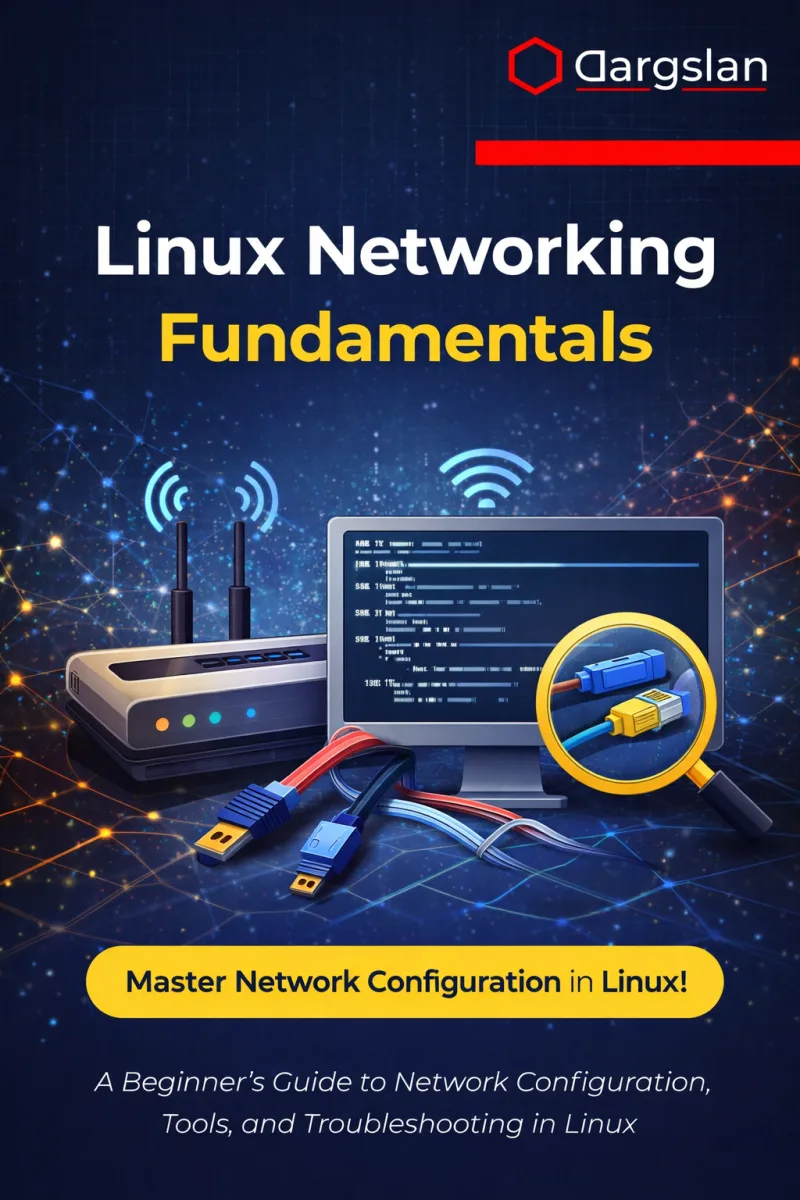
Spanning twenty-seven in-depth chapters and five practical appendices, this guide covers the complete spectrum of Linux networking. You'll begin with core concepts—network interfaces, IP addressing, and subnetting—then learn to configure networking with both the modern ip utilities and the traditional ifconfig commands. From there you'll progress through DNS and hostname configuration, routing and gateways, and DHCP setup.
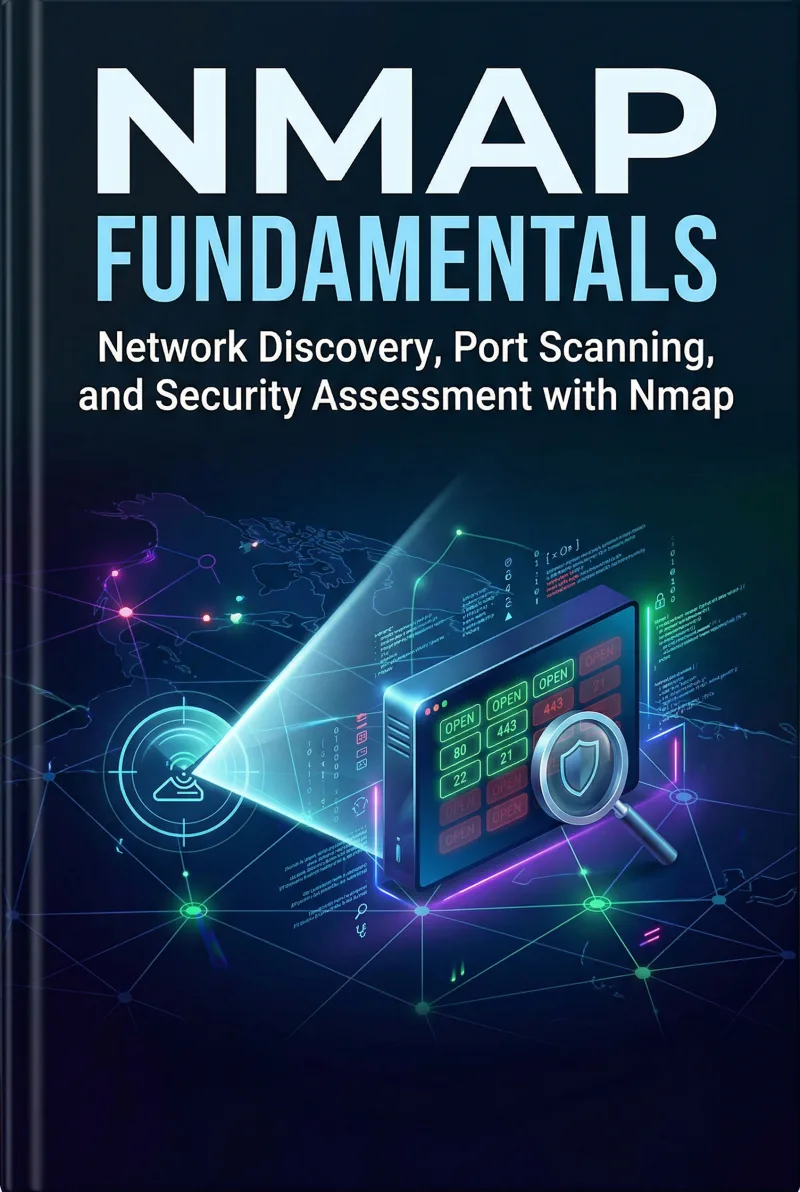
You'll gain real command-line fluency with the essential diagnostic and analysis tools every Linux professional relies on, including ping, traceroute, netstat, ss, tcpdump, nmap, netcat, curl, and wget. You'll learn not just how to run these tools, but how to interpret their output to diagnose real connectivity problems.
Services, Security, and Remote Management
The book covers the critical Linux networking services that power production environments: SSH for secure remote management, web hosting with Apache and Nginx, file sharing with FTP and Samba, and running your own DNS and DHCP servers. On the security side, you'll build a strong foundation in Linux firewalls—from basic rules to advanced techniques—configure VPNs and tunneling, and apply network security best practices that keep your infrastructure resilient against modern threats.
Modern and Advanced Networking
Contemporary Linux networking goes far beyond a single host. You'll explore container networking with Docker and Podman, implement IPv6 in practice, configure VLANs and bridging, and set up interface bonding and teaming for redundancy and throughput. Dedicated chapters on network monitoring, performance tuning, and optimization ensure your systems run fast and stay observable.
Troubleshooting That Works in Production
When networks break, you need a systematic approach. This guide dedicates real attention to diagnosing network issues and resolving common pitfalls, walking through the practical scenarios you'll actually encounter in Linux environments. You'll learn to think methodically about problems, isolate root causes, and apply proven fixes—skills that pay off every day in production.
Understanding the "Why," Not Just the "How"
What sets this book apart is its emphasis on understanding. Each chapter builds on the last while remaining accessible to readers of varying experience levels, explaining not just the commands but the reasoning behind Linux networking decisions. This deeper understanding is what enables you to adapt to new challenges, technologies, and distributions as they emerge—rather than memorizing commands that quickly go stale.
A Reference You'll Keep Returning To
The comprehensive appendices are designed for ongoing use long after your first read: a networking commands cheat sheet, sample configuration files, distribution-specific networking notes for Ubuntu, CentOS, and Arch Linux, troubleshooting flowcharts, and practice scenarios drawn from real-world networks. Together they make this book as valuable on the job as it is during study.
Who Should Read This Book
Whether you're a system administrator, developer, DevOps engineer, or IT professional, this guide meets you where you are and takes you further. By the end, you'll possess the confidence to design, implement, and troubleshoot complex Linux networking solutions across any distribution—and the architectural understanding to keep growing as the landscape evolves.
Welcome to your comprehensive guide to mastering networking in Linux. Let's begin the journey.
Who Is This Book For?
- System administrators managing Linux servers and network infrastructure
- Developers who need to understand and configure Linux networking
- DevOps engineers working with container and cloud networking on Linux
- IT professionals transitioning into Linux-focused roles
- Network engineers expanding their skills into Linux environments
- Students and certification candidates building practical Linux networking skills
- Anyone running Ubuntu, CentOS, Arch, or other distributions who wants real networking fluency
Who Is This Book NOT For?
- Complete computer beginners with no exposure to the Linux command line
- Readers seeking a Windows- or macOS-only networking guide
- Those wanting purely theoretical networking with no hands-on Linux commands
- Users looking only for a point-and-click GUI approach rather than the terminal
- Developers seeking application-level code rather than system and network configuration
Table of Contents
- Introduction to Networking in Linux
- Understanding Network Interfaces
- IP Addressing and Subnetting
- Configuring Networking via ip and ifconfig
- DNS and Hostname Configuration
- Managing Routes and Gateways
- DHCP Configuration and Usage
- ping, traceroute, and netstat
- ss and tcpdump
- nmap and Port Scanning
- netcat, curl, and wget
- SSH and Remote Management
- Hosting with Apache or Nginx
- FTP, Samba, and File Sharing
- DNS and DHCP Servers
- Introduction to Linux Firewalls
- Advanced Firewall Techniques
- VPN Setup and Tunneling
- Network Security Best Practices
- Network Monitoring Tools
- Performance Tuning and Optimization
- Diagnosing Network Issues
- Common Pitfalls and Fixes
- VLANs and Bridging
- Bonding and Teaming Interfaces
- Networking for Containers (Docker & Podman)
- IPv6 in Practice
- Appendix: Networking Commands Cheat Sheet
- Appendix: Sample Config Files
- Appendix: Linux Distribution-Specific Networking Notes (Ubuntu, CentOS, Arch)
- Appendix: Troubleshooting Flowcharts
- Appendix: Practice Scenarios for Real-World Networks
Requirements
- Basic familiarity with the Linux command line and shell navigation
- Access to a Linux system (Ubuntu, CentOS, Arch, or similar) for hands-on practice
- General understanding of what a network is (computers, IP addresses) is helpful
- Root or sudo access to configure interfaces, services, and firewalls
- A second machine, VM, or container is useful for testing connectivity scenarios
- No prior networking expertise required—concepts build progressively from the ground up