What Is Python?
Python is a high-level, general-purpose programming language known for its readability and versatility. Created by Guido van Rossum in 1991, Python has become the world's most popular programming language, used in web development (Django, Flask), data science (Pandas, NumPy), artificial intelligence (TensorFlow, PyTorch), automation, and system administration.
Why Learn Python?
- #1 Language: Most popular programming language worldwide
- Beginner Friendly: Clean, readable syntax perfect for learning
- Versatile: Web, data, AI, automation, DevOps — Python does it all
- Huge Ecosystem: 400,000+ packages on PyPI
- High Demand: Python skills are in the top 3 for job listings
Who Should Learn Python?
- Complete Beginners: Best first programming language
- System Administrators: Automate everything with Python
- Data Analysts: Graduate from Excel to real data science
- DevOps Engineers: Build tools and automation scripts
Key Topics
- Python fundamentals and syntax
- Data structures and algorithms
- Object-oriented programming
- Web development with Django/Flask
- Data analysis with Pandas
- Automation and scripting
- API development
- Testing and best practices
Learning Path
- Basics: Variables, types, control flow, functions
- Data Structures: Lists, dicts, sets, comprehensions
- OOP: Classes, inheritance, design patterns
- Libraries: Learn key libraries for your focus area
- Projects: Build real applications
- Specialize: Web, data, automation, or AI
Career Opportunities
- Python Developer: €45,000 – €80,000/year
- Data Scientist: €55,000 – €95,000/year
- DevOps Engineer: €60,000 – €100,000/year
- ML Engineer: €70,000 – €120,000/year
Recommended Python Books
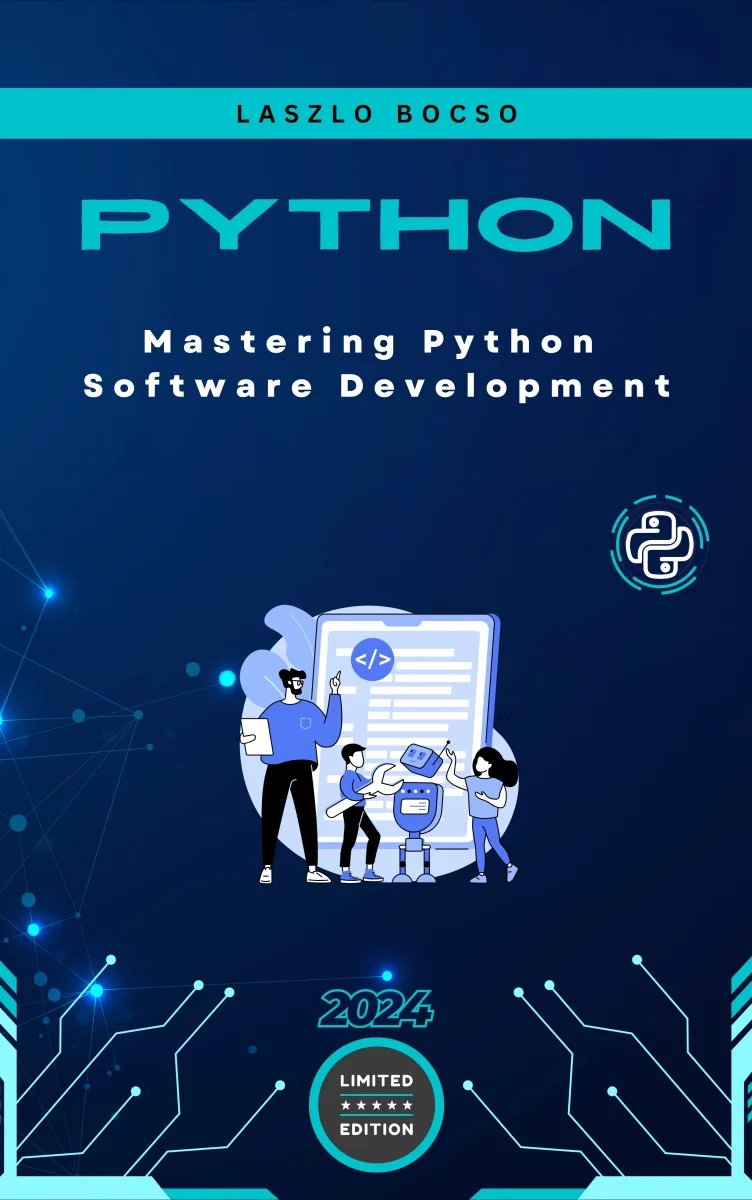
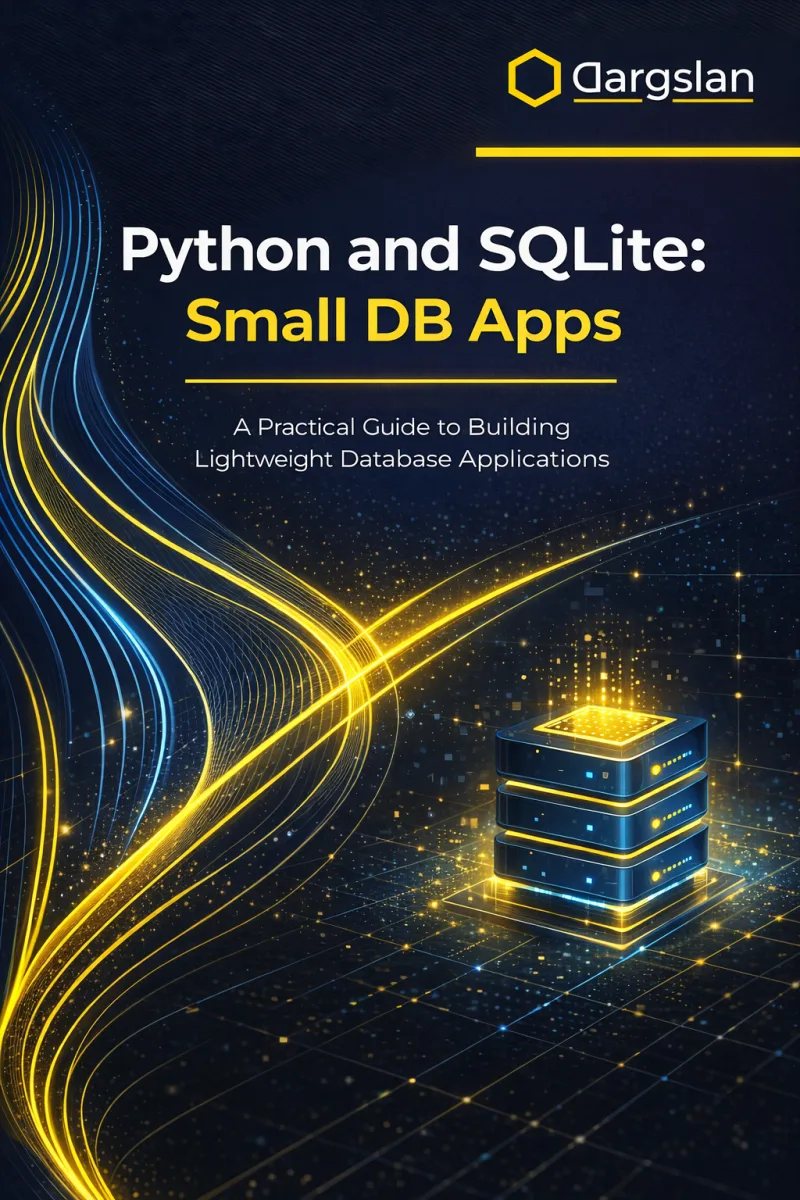
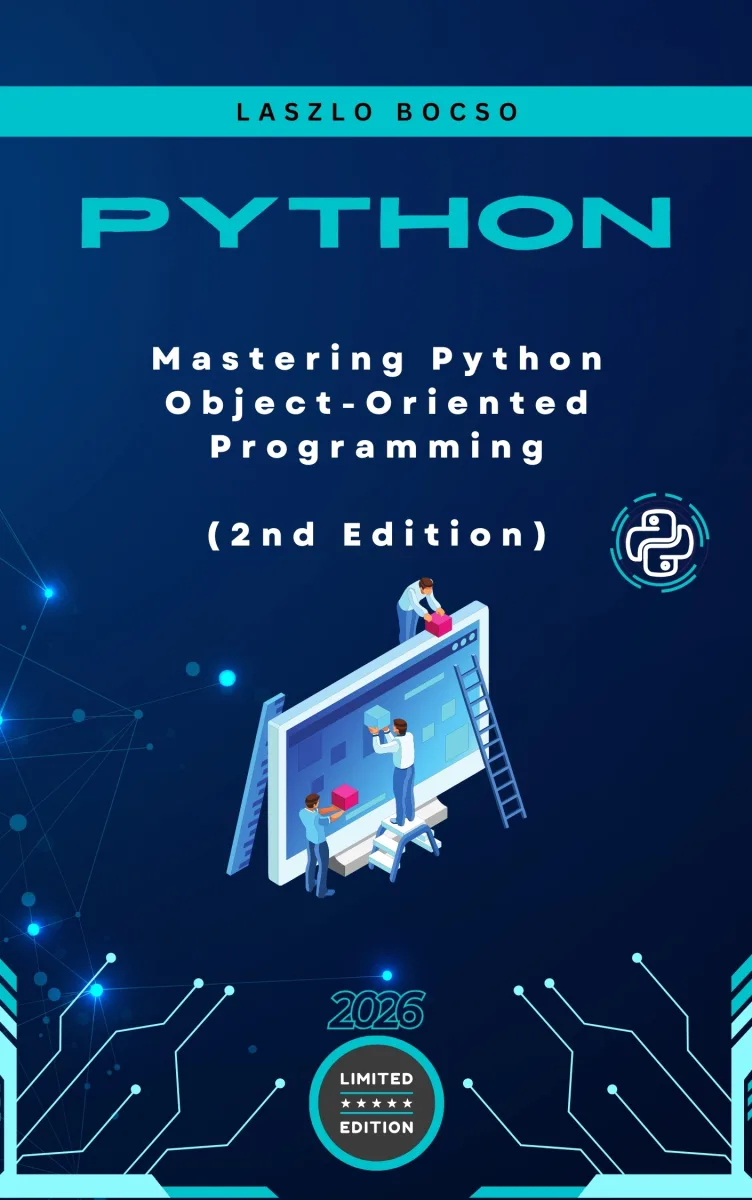
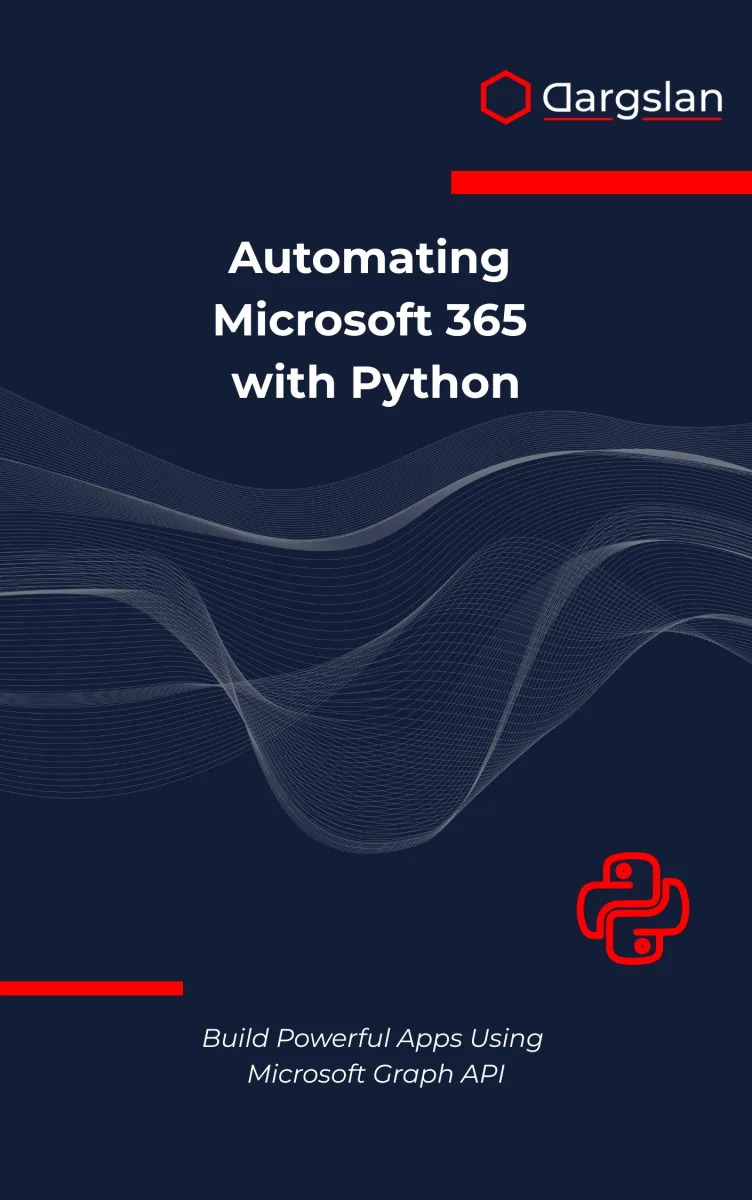
Frequently Asked Questions
Start with Python
Browse our Python books for every skill level and application.
Browse Python Books