🎁 New User? Get 20% off your first purchase with code NEWUSER20 Register Now →
Menu

Categories

Linux Beginner

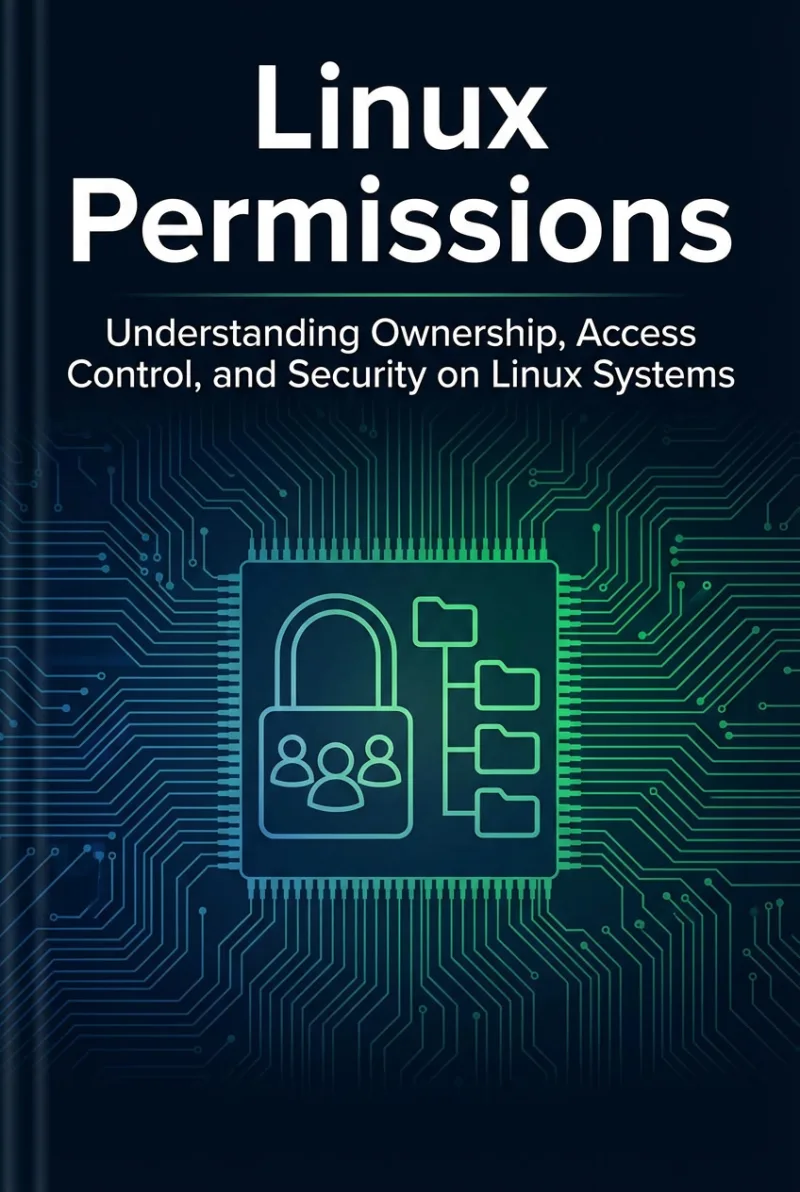
What is File Permissions?

A security mechanism that controls who can read, write, or execute files and directories in Unix-like systems.

Linux file permissions use a three-tier system: owner, group, and others. Each tier can have read (r=4), write (w=2), and execute (x=1) permissions. For example, chmod 755 grants the owner full access while giving read and execute access to everyone else.

Special permissions include SUID, SGID, and the sticky bit, which provide additional access control for specific use cases.

Related Terms

Nftables
The modern Linux packet filtering framework that replaces iptables with a unified, more efficient rule-processing architecture.
Environment Path
The PATH variable that tells the shell which directories to search when looking for executable commands.
Linux Kernel Module
A piece of code that can be loaded into the kernel at runtime to extend functionality without rebooting, such as device drivers and filesystems.
Network Namespace
A Linux kernel feature that provides isolated network stacks with independent interfaces, routing tables, and firewall rules.
Chmod
A command to change file and directory access permissions using numeric or symbolic notation.
Top/Htop
Interactive process viewers that display real-time system resource usage including CPU, memory, and running processes.
View All Linux Terms →