🎁 New User? Get 20% off your first purchase with code NEWUSER20 Register Now →
Menu

Categories

Security Beginner

What is Firewall Rules?

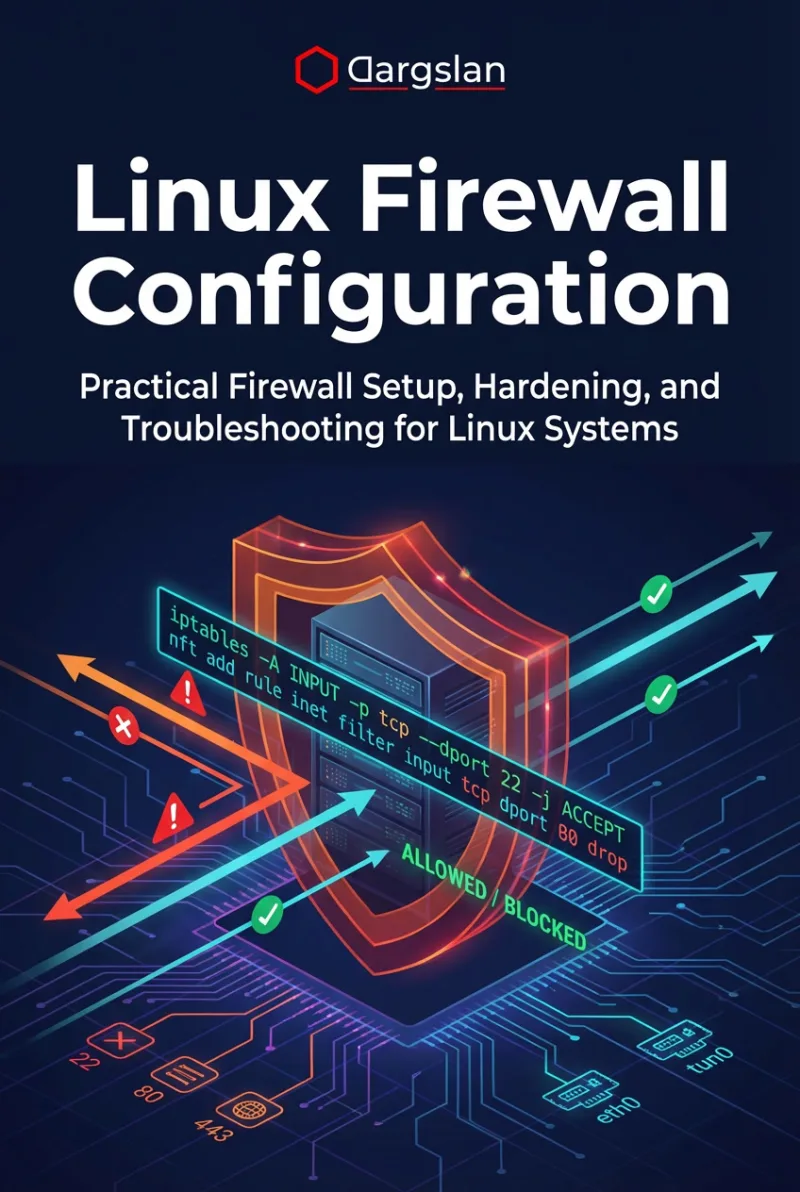
Configuration entries that define which network traffic is allowed or blocked based on source, destination, port, and protocol.

Firewall rules specify allow/deny decisions based on traffic attributes: source IP, destination IP, port number, protocol (TCP/UDP), and direction (inbound/outbound). Rules are processed in order — first match wins.

Best practices include default-deny (block everything, explicitly allow needed traffic), least privilege (minimal ports open), logging denied traffic, separating inbound/outbound rules, and regular rule review. Cloud security groups function as virtual firewalls with similar rule structures.

Related Terms

Zero Trust
A security model that requires strict identity verification for every user and device, regardless of their network location.
Principle of Least Privilege
A security principle where users and programs receive only the minimum access rights needed to perform their specific tasks.
Input Validation
The process of verifying that user-supplied data meets expected formats, types, and ranges before processing it.
Rate Limiting
A technique that controls the number of requests a client can make to a server within a specified time period.
CORS (Cross-Origin Resource Sharing)
A browser security mechanism that controls which web domains can access resources from another domain via HTTP requests.
OWASP Top 10
A regularly updated list of the ten most critical web application security risks, published by the Open Web Application Security Project.
View All Security Terms →