๐ŸŽ New User? Get 20% off your first purchase with code NEWUSER20 ยท โšก Instant download ยท ๐Ÿ”’ Secure checkout Register Now โ†’
Menu

Categories

Databases Intermediate

What is NoSQL?

A category of databases that store data in non-tabular formats, optimized for specific data models and access patterns.

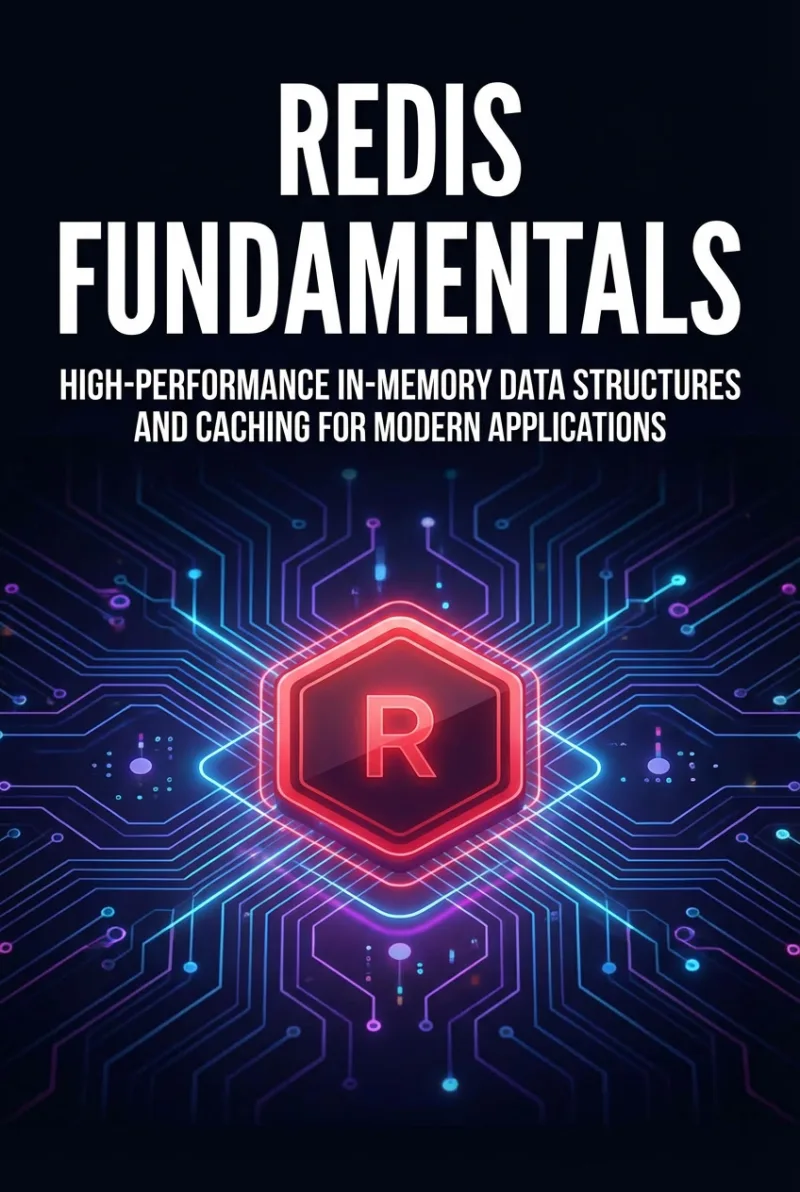
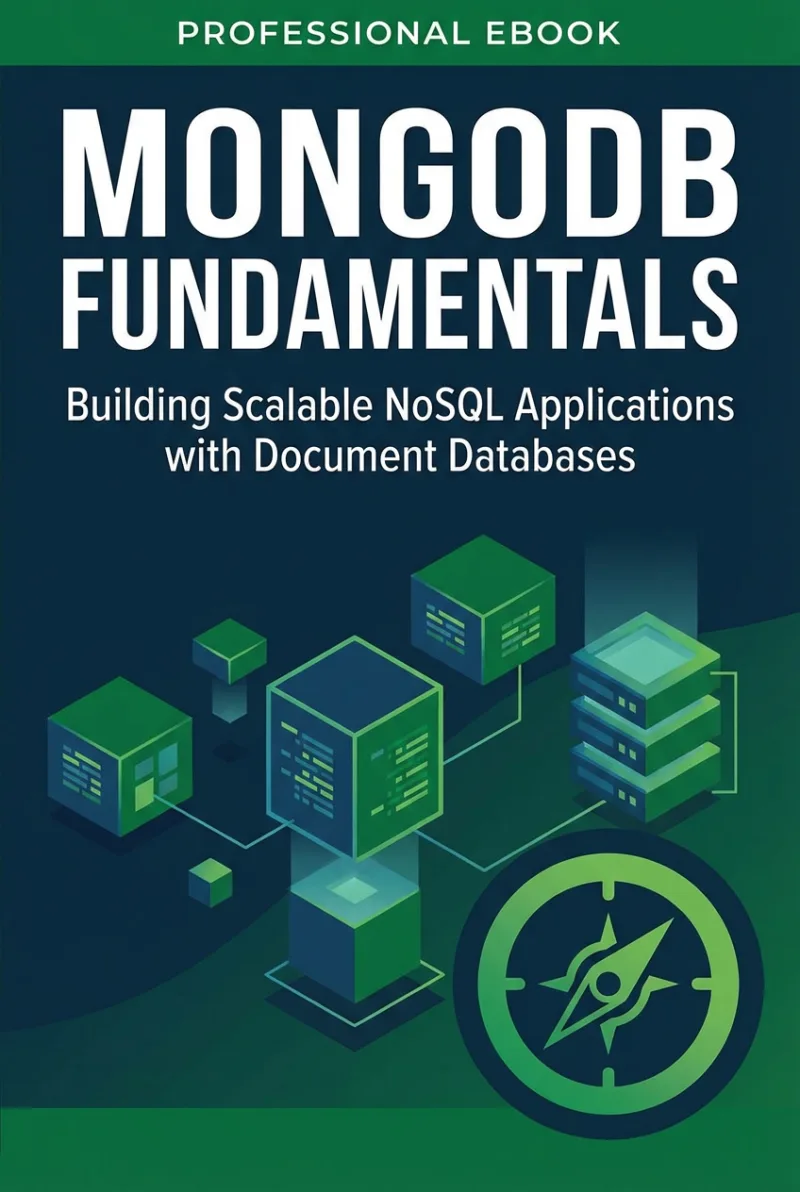
NoSQL databases sacrifice some relational features for scalability and flexibility. Types include document stores (MongoDB โ€” JSON documents), key-value stores (Redis โ€” simple lookups), column-family stores (Cassandra โ€” wide columns), and graph databases (Neo4j โ€” relationships).

NoSQL databases often provide eventual consistency rather than strong consistency, horizontal scaling, and schema flexibility. They excel at specific use cases like caching, real-time analytics, and content management.
Related Terms

Database Constraint
Rules enforced by the database to maintain data integrity, including NOT NULL, UNIQUE, CHECK, PRIMARY KEY, and FOREIGN KEY.
Primary Key
A column or set of columns that uniquely identifies each row in a database table.
Database Index Types
Different index structures (B-tree, Hash, GIN, GiST, BRIN) optimized for various query patterns and data types.
Database Sharding
A horizontal scaling strategy that distributes data across multiple database servers based on a partition key.
Cursor
A database object that enables row-by-row processing of query results, useful for operations that cannot be done in bulk.
Query Optimization
The process of improving database query performance through indexing, query rewriting, and schema design techniques.
View All Databases Terms โ†’