🎁 New User? Get 20% off your first purchase with code NEWUSER20 Register Now →
Menu

Categories

DevOps Intermediate

What is Observability?

The ability to understand a system's internal state from its external outputs through metrics, logs, and traces.

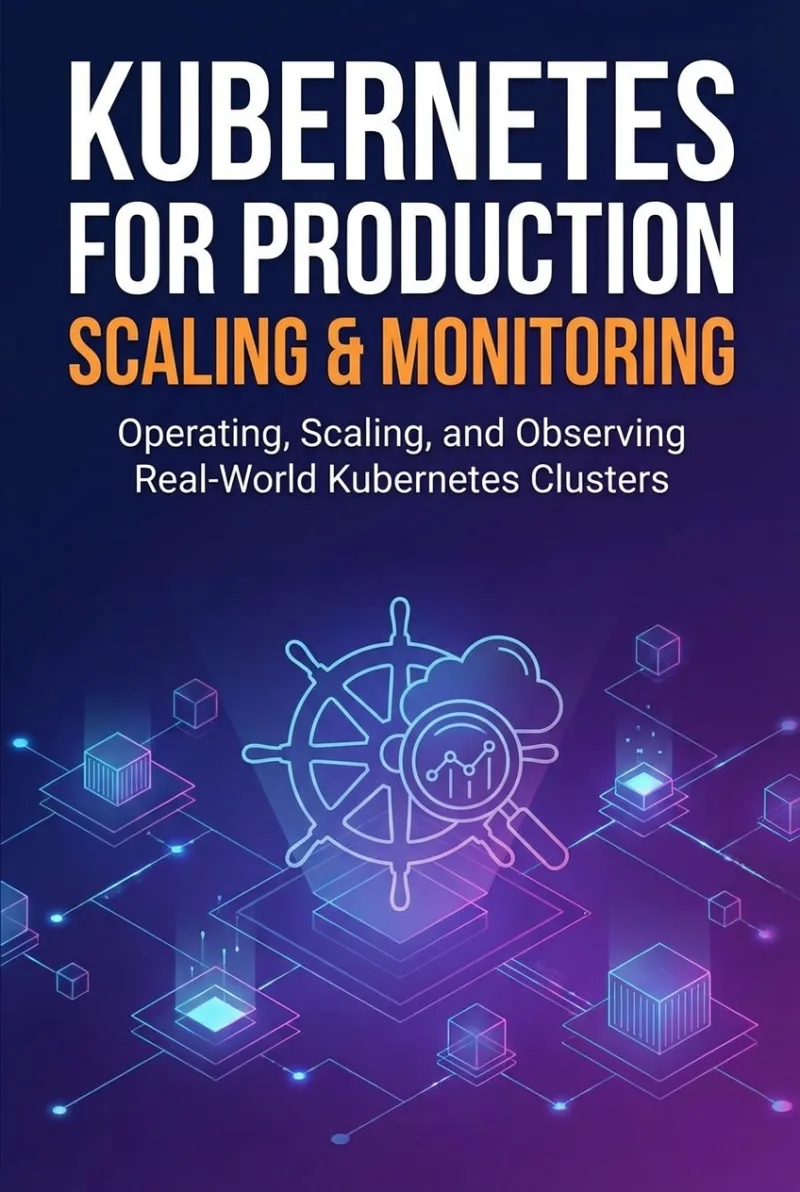
Observability rests on three pillars: Metrics (numerical measurements over time — CPU, request rate, error rate), Logs (discrete events with context — error messages, audit trails), and Traces (request flow across services — distributed tracing).

OpenTelemetry is the emerging standard for instrumentation. Tools include Prometheus (metrics), ELK/Loki (logs), Jaeger/Zipkin (traces), and Datadog/New Relic (all-in-one). Observability goes beyond monitoring — it helps answer questions you did not anticipate.
Related Terms

GitOps
A practice where Git repositories serve as the single source of truth for both application code and infrastructure configuration.
Container Registry
A storage and distribution service for container images, similar to a package repository but for Docker images.
Infrastructure as Code (IaC)
The practice of managing infrastructure through machine-readable configuration files rather than manual processes.
ArgoCD
A declarative GitOps continuous delivery tool for Kubernetes that automatically syncs cluster state with Git repositories.
Rolling Update
A deployment strategy that gradually replaces old application instances with new ones, maintaining availability throughout.
Kubernetes
An open-source container orchestration platform that automates deploying, scaling, and managing containerized applications.
View All DevOps Terms →