🎁 New User? Get 20% off your first purchase with code NEWUSER20 Register Now →
Menu

Categories

DevOps Beginner

What is Docker Volume?

A mechanism for persisting data generated by Docker containers, surviving container restarts and removals.

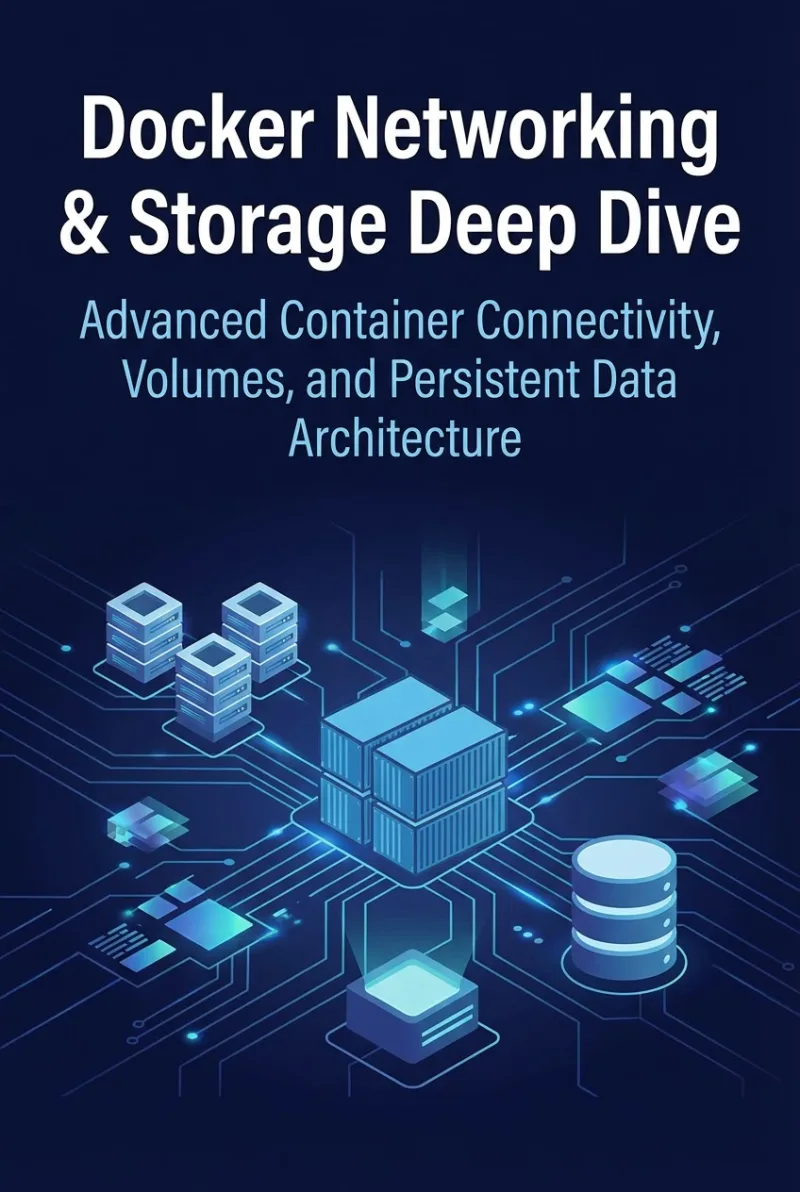
Docker volumes decouple data storage from container lifecycles. Without volumes, all data inside a container is lost when it is removed. Volumes are stored on the host filesystem and managed by Docker. Types include named volumes (managed by Docker, portable), bind mounts (map host directories into containers), and tmpfs mounts (in-memory only). Named volumes are preferred for production — they support volume drivers for remote storage (NFS, AWS EBS), can be shared between containers, and are backed up independently. Docker Compose defines volumes declaratively, and Kubernetes uses Persistent Volumes for similar functionality at scale.
Related Terms

Chaos Engineering
The discipline of deliberately introducing failures into a system to test its resilience and identify weaknesses before they cause outages.
Health Check
An endpoint or mechanism that reports whether an application is running correctly and ready to handle requests.
Immutable Deployment
A deployment strategy where new versions replace existing instances entirely rather than updating them in place.
Vault
A tool by HashiCorp for securely managing secrets, encryption keys, and certificates with dynamic secret generation.
Infrastructure as Code (IaC)
The practice of managing infrastructure through machine-readable configuration files rather than manual processes.
Infrastructure Drift
The divergence between the actual state of infrastructure and its defined desired state, caused by manual changes or untracked modifications.
View All DevOps Terms →