🎁 New User? Get 20% off your first purchase with code NEWUSER20 Register Now →
Menu

Categories

Cloud Computing Intermediate

What is Serverless Computing?

A cloud execution model where the provider manages servers and dynamically allocates resources, charging only for actual usage.

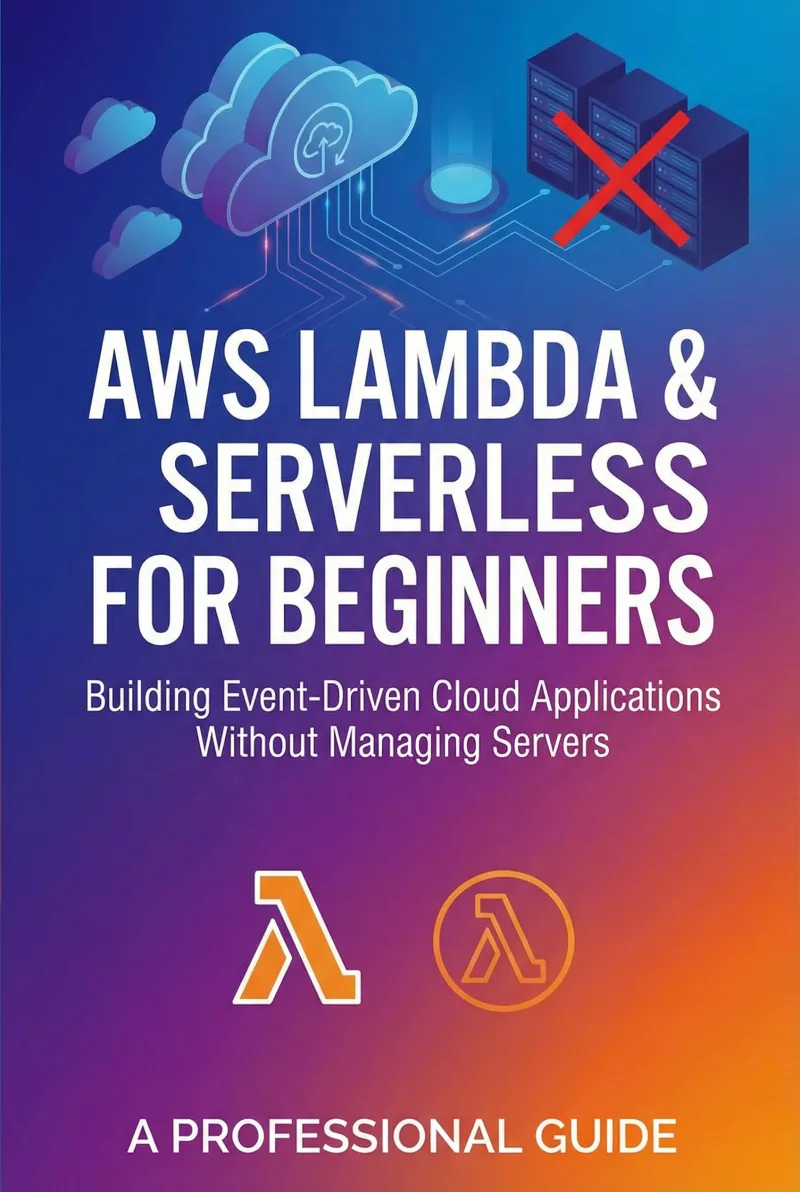
Serverless does not mean "no servers" — it means developers do not manage them. Code runs in stateless functions triggered by events (HTTP requests, file uploads, database changes). The cloud provider handles scaling, patching, and availability.

Services include AWS Lambda, Azure Functions, Google Cloud Functions, and Cloudflare Workers. Benefits include zero server management, automatic scaling, and pay-per-invocation pricing. Limitations include cold starts, execution time limits, and vendor lock-in.
Related Terms

Lambda Function (Cloud)
An AWS serverless compute service that runs code in response to events without provisioning or managing servers.
S3 (Simple Storage Service)
An AWS object storage service that stores and retrieves any amount of data from anywhere on the web.
Cloud Load Balancer
A managed service that distributes incoming network traffic across multiple servers to ensure high availability and optimal resource utilization.
PaaS (Platform as a Service)
A cloud service model that provides a platform for developers to build, deploy, and manage applications without managing infrastructure.
Cloud Computing
The delivery of computing services over the internet, including servers, storage, databases, and software on demand.
IAM (Identity and Access Management)
A framework for managing digital identities and controlling who can access which cloud resources and services.
View All Cloud Computing Terms →