If you’re serious about a career in Linux system administration, DevOps, or cloud engineering, you’ve probably asked yourself: “Which Linux certification should I get first?”
The three biggest names in Linux certification are RHCSA (Red Hat Certified System Administrator), LFCS (Linux Foundation Certified Sysadmin), and LPIC-1 (Linux Professional Institute Certification Level 1). Each has its strengths, target audience, and career implications.
In this guide, we’ll compare all three side-by-side so you can make an informed decision — no fluff, just facts.
📊 Quick Comparison Table
| Feature | 🔴 RHCSA | 🟢 LFCS | 🔵 LPIC-1 |
|---|---|---|---|
| Issuing Body | Red Hat | Linux Foundation | LPI (Linux Professional Institute) |
| Exam Format | 100% Hands-on (Performance-based) | 100% Hands-on (Performance-based) | Multiple Choice + Fill-in |
| Exam Cost | ~$450 USD | ~$395 USD | ~$200 USD per exam (2 exams) |
| Number of Exams | 1 exam (EX200) | 1 exam | 2 exams (101 + 102) |
| Duration | 2.5 hours | 2 hours | 90 min per exam |
| Distro Focus | RHEL only | Ubuntu or CentOS (you choose) | Distro-neutral |
| Validity | 3 years | 3 years | 5 years |
| Difficulty | Hard | Medium-Hard | Medium |
| Avg. Salary Impact | +15-25% | +10-18% | +8-15% |
| Best For | Enterprise / Red Hat shops | Cloud / DevOps roles | Beginners / General Linux |
🔴 RHCSA — Red Hat Certified System Administrator
Best for: Those targeting enterprise environments, Red Hat/CentOS/AlmaLinux shops, and high-paying sysadmin roles.
The RHCSA (EX200) is widely regarded as the gold standard for Linux certifications. Unlike LPIC-1, you don’t answer multiple-choice questions — you perform real tasks on a live RHEL system. If it doesn’t work, you don’t pass. Period.
What You’ll Be Tested On:
- User and group management, file permissions (ACLs, SELinux contexts)
- Storage management (LVM, Stratis, VDO)
- Networking configuration (nmcli, firewalld)
- Service management with
systemd - Configuring and troubleshooting SELinux
- Container basics with Podman
- Automating tasks with
cronandat - Managing software with
dnfand repositories
Pros & Cons:
✅ Highest industry recognition
✅ 100% practical — proves real skills
✅ Opens doors to RHCE (advanced cert)
❌ Most expensive exam (~$450)
❌ RHEL-specific knowledge required
❌ Hardest of the three
📚 Recommended Reading for RHCSA Prep:
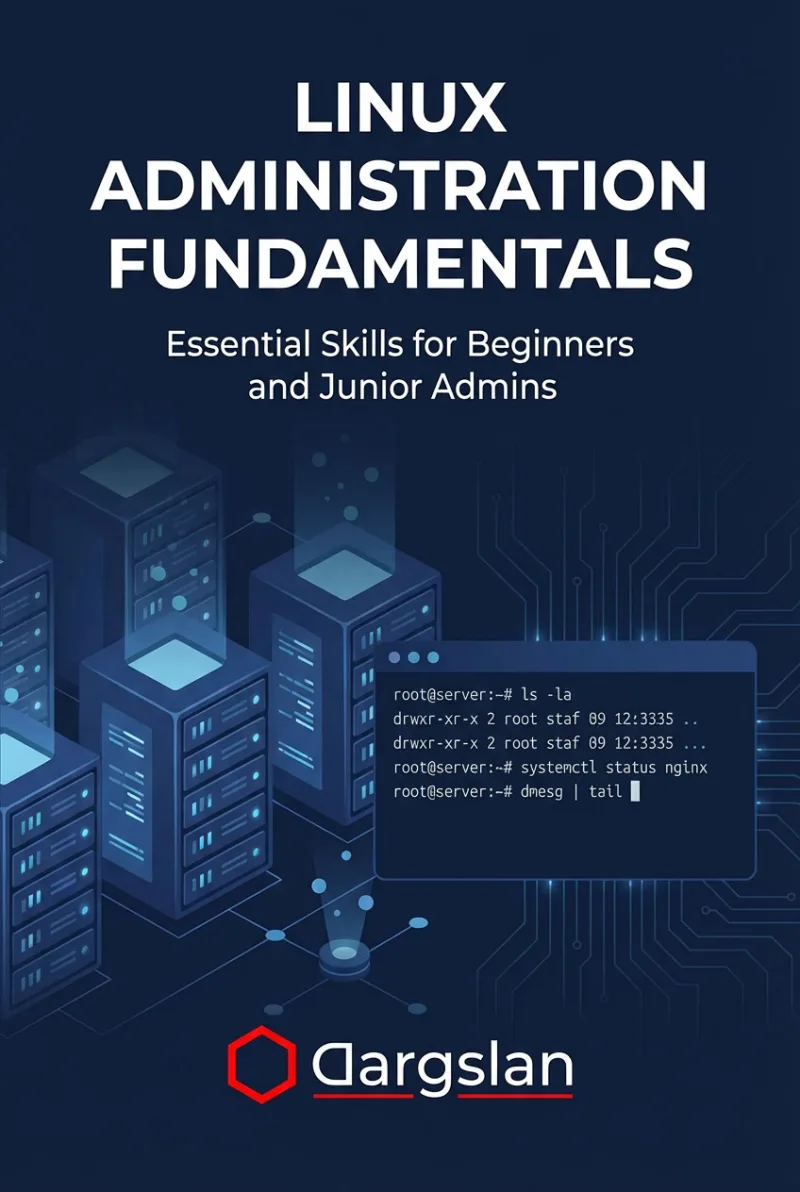
- Linux Administration Fundamentals — €9.90
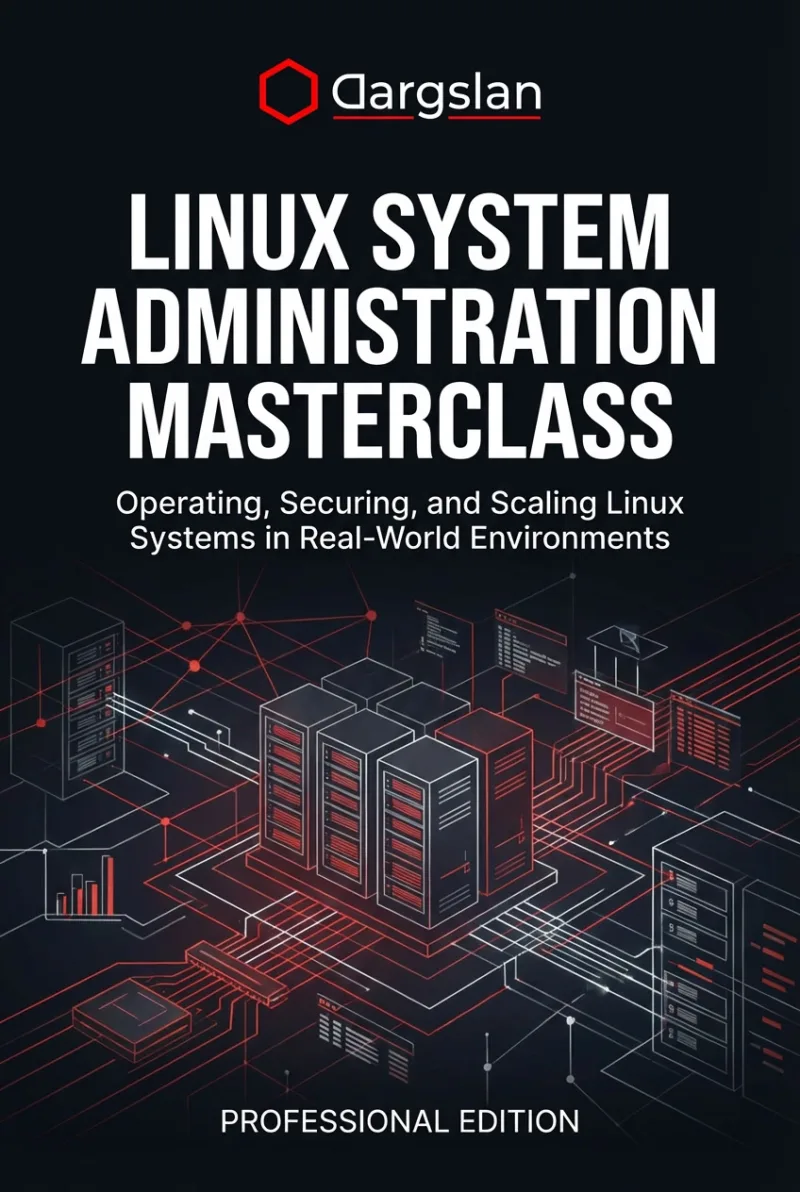
- Linux System Administration Masterclass — €16.90
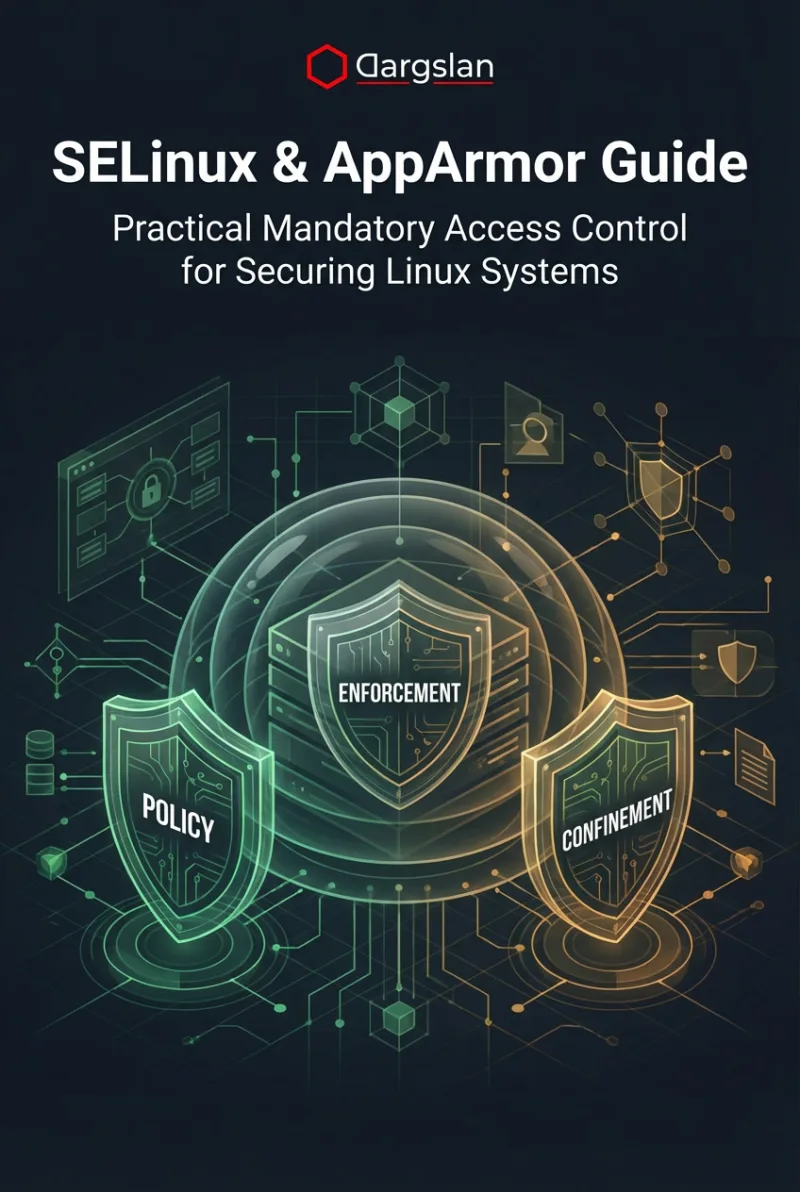
- SELinux & AppArmor Guide — €16.90
- systemd: Service Management — €21.90
- AlmaLinux for Beginners — €12.90 (RHEL-compatible practice)
🟢 LFCS — Linux Foundation Certified Sysadmin
Best for: Those pursuing cloud/DevOps careers who want hands-on proof of Linux skills without being locked to a single vendor.
The LFCS is the Linux Foundation’s answer to RHCSA. It’s also 100% performance-based, but you get to choose your distro — Ubuntu or CentOS Stream. This makes it more flexible and more relevant for cloud-native environments.
What You’ll Be Tested On:
- Essential commands and file management
- User and group administration
- Operation of running systems (process management, boot targets)
- Networking (IP config, routing, DNS client, firewalling)
- Service configuration (SSH, HTTP, NFS, containers)
- Storage management (partitioning, LVM, filesystems)
Pros & Cons:
✅ Vendor-neutral — choose Ubuntu or CentOS
✅ 100% hands-on, like RHCSA
✅ Backed by the Linux Foundation (kernel maintainers)
✅ Cheaper than RHCSA (~$395)
❌ Less brand recognition than RHCSA in enterprise
❌ Fewer study materials available compared to RHCSA
📚 Recommended Reading for LFCS Prep:
- Master Linux Command Line in 30 Chapters — €19.90
- Linux for Beginners: Zero to Hero — €16.90
- Debian Linux for Absolute Beginners — €17.90 (Ubuntu-based practice)
- Linux Security Hardening — €14.90
- 250 Linux Exercises — €19.00
🔵 LPIC-1 — Linux Professional Institute Level 1
Best for: Absolute beginners, career changers, and those who want a globally recognized, vendor-neutral foundation cert.
LPIC-1 is the most accessible of the three. It consists of two multiple-choice exams (101 and 102), making it less intimidating than the hands-on RHCSA or LFCS. That said, don’t underestimate it — the knowledge required is broad and deep.
What You’ll Be Tested On:
Exam 101:
- System architecture (boot process, runlevels, systemd)
- Linux installation and package management (apt, rpm, dpkg)
- GNU and Unix commands (file management, streams, pipes)
- Devices, filesystems, and FHS (Filesystem Hierarchy Standard)
Exam 102:
- Shells and shell scripting
- User interfaces and desktops
- Administrative tasks (users, cron, localization)
- Essential system services (time, logging, mail)
- Networking fundamentals (TCP/IP, DNS, troubleshooting)
- Security (host security, encryption, SSH)
Pros & Cons:
✅ Most beginner-friendly entry point
✅ Globally recognized, distro-neutral
✅ Longest validity (5 years)
✅ Cheapest total cost (~$400 for both exams)
✅ Most study resources available
❌ Multiple-choice format doesn’t prove hands-on skills
❌ Less valued than RHCSA in enterprise hiring
📚 Recommended Reading for LPIC-1 Prep:
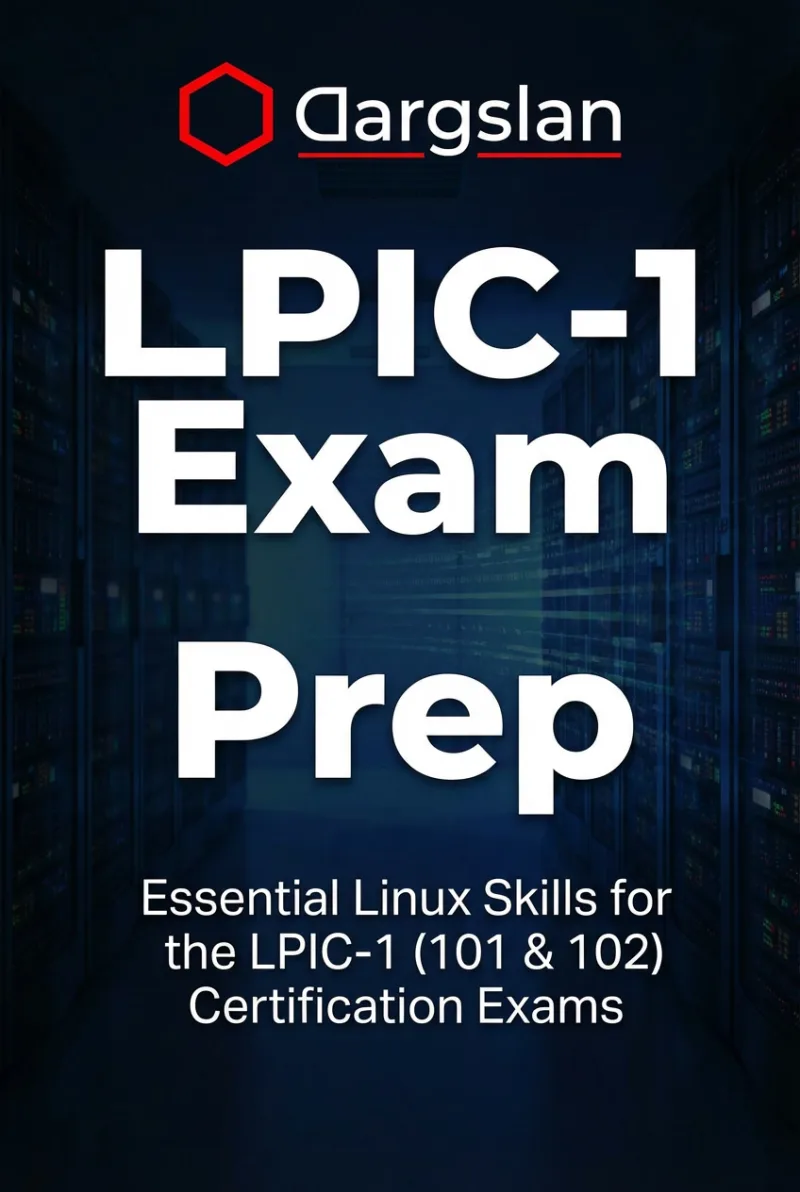
- LPIC-1 Exam Prep — €19.90 ⭐ Direct exam preparation
- Linux Administration Fundamentals — €9.90
- Linux for Beginners: Zero to Hero — €16.90
- Linux Job Interview Guide — €17.90
- 250 Linux Exercises — €19.00
🎯 So, Which One Should You Get?
Choose RHCSA if:
- You want the highest-paying certification in Linux
- You work in or target enterprise environments (banks, telecoms, government)
- You already have some Linux experience (6-12 months)
- You plan to continue to RHCE afterward
- You use RHEL, CentOS, AlmaLinux, or Rocky Linux
Choose LFCS if:
- You’re heading toward cloud/DevOps and want hands-on proof
- You prefer Ubuntu or want distro flexibility
- You want a performance-based exam but at a lower cost than RHCSA
- You already know the basics and want to validate your skills
Choose LPIC-1 if:
- You’re a complete beginner in Linux
- You want the broadest foundation without vendor lock-in
- You need a cert that’s valid for 5 years
- You prefer multiple-choice over live performance exams
- You’re on a tight budget
🗺️ The Optimal Certification Path
For most people, we recommend this progression:
LPIC-1 → LFCS → RHCSA → RHCE
Beginner → Intermediate → Advanced → Expert
However, if you already have 1+ years of Linux experience and work in a Red Hat environment, skip straight to RHCSA. It’s the most respected and has the highest ROI.
💰 Salary Comparison by Certification
| Certification | Entry Level (EU) | Mid Level (EU) | Senior Level (EU) |
|---|---|---|---|
| 🔵 LPIC-1 | €30,000 - €40,000 | €40,000 - €55,000 | €55,000 - €70,000 |
| 🟢 LFCS | €35,000 - €48,000 | €48,000 - €65,000 | €65,000 - €85,000 |
| 🔴 RHCSA | €40,000 - €55,000 | €55,000 - €75,000 | €75,000 - €100,000+ |
Note: Salaries vary significantly by country, company size, and additional skills. These are approximate EU averages for 2026.
📖 Further Reading on Dargslan
Continue your certification journey with these related articles:
- 📌 IT Certification Roadmap 2026: Which Certs Are Worth Your Time
- 📌 50 Essential Linux Commands Every DevOps Engineer Must Master
- 📌 10 Essential Linux Security Hardening Steps
- 📌 25 Linux Command-Line Tricks Every Admin Should Know
- 📌 Linux for Absolute Beginners: Your First Steps
- 📌 15 Bash Scripts That Will Automate Your Linux Server Management
- 📌 Windows vs Linux in 2026: The Definitive Comparison
🏁 Final Verdict
Starting out? Go with LPIC-1 — it builds the widest foundation and has the most study resources.
Want hands-on proof? The LFCS is your best bet — vendor-neutral, practical, and cloud-friendly.
Targeting enterprise? The RHCSA is king — highest salary impact and the most respected cert in Linux.
No matter which path you choose, consistent hands-on practice is what separates those who pass from those who don’t. Build a home lab, practice daily, and use quality study materials.
🎓 Ready to Start Studying?
Browse our complete collection of Linux certification prep books:
Browse Certification Books →