Cloud computing skills are among the most sought-after in the IT industry, and Amazon Web Services (AWS) continues to dominate the market with over 30% global cloud market share. Earning an AWS certification in 2026 is one of the smartest career moves you can make — whether you are a system administrator, developer, or IT professional looking to pivot into cloud engineering.
This guide provides a complete, actionable study plan that takes you from zero to AWS certified. We will cover the certification paths, recommended study materials, hands-on lab strategies, and exam day tips that have helped thousands of professionals pass on their first attempt.
Understanding AWS Certification Paths in 2026
AWS offers certifications at four levels: Foundational, Associate, Professional, and Specialty. For most IT professionals, the recommended starting point is the AWS Certified Solutions Architect – Associate (SAA-C03) or the AWS Certified Cloud Practitioner (CLF-C02) if you are completely new to cloud computing.
Foundational Level
- AWS Certified Cloud Practitioner (CLF-C02) — Ideal for beginners with no prior cloud experience. Covers core AWS services, pricing, security, and architecture at a high level.
- Recommended study time: 4-6 weeks
- Exam format: 65 questions, 90 minutes, multiple choice and multiple response
Associate Level
- Solutions Architect – Associate (SAA-C03) — The most popular AWS certification. Validates your ability to design distributed systems on AWS.
- Developer – Associate (DVA-C02) — Focused on developing and maintaining AWS-based applications.
- SysOps Administrator – Associate (SOA-C02) — Targets operational management and deployment on AWS.
Professional Level
- Solutions Architect – Professional — Advanced architectural design across complex environments.
- DevOps Engineer – Professional — Combines development and operations on AWS at scale.
Specialty Certifications
- Security, Machine Learning, Database, Networking, Data Analytics, and SAP on AWS.
Which Certification Should You Start With?
If you have experience with Linux administration, networking, or system administration, skip the Cloud Practitioner and go directly for the Solutions Architect – Associate. Your existing infrastructure knowledge will transfer directly to cloud concepts like VPCs, subnets, load balancers, and storage tiers.
If you are completely new to IT, start with the Cloud Practitioner to build foundational vocabulary and understanding before tackling the Associate exams.
The 12-Week Study Plan
Weeks 1-3: Core Concepts and IAM
Begin with the fundamentals. Understand the AWS global infrastructure — regions, availability zones, and edge locations. Master Identity and Access Management (IAM) as it is the backbone of AWS security.
Key topics to cover:
- IAM users, groups, roles, and policies
- Multi-Factor Authentication (MFA) setup
- AWS Organizations and Service Control Policies (SCPs)
- The AWS Shared Responsibility Model
# Example: Create an IAM user via AWS CLI
aws iam create-user --user-name developer-jane

# Attach a managed policy
aws iam attach-user-policy \
    --user-name developer-jane \
    --policy-arn arn:aws:iam::aws:policy/AmazonS3ReadOnlyAccess

# List all IAM users
aws iam list-users --output table
Weeks 4-6: Compute, Storage, and Networking
This is where your Linux administration skills shine. Deep dive into EC2 instances, EBS volumes, S3 buckets, and VPC configuration. Understand how these services map to traditional on-premises infrastructure.
Critical services to master:
- EC2 — Instance types, pricing models (On-Demand, Reserved, Spot), Auto Scaling Groups
- S3 — Storage classes, lifecycle policies, versioning, encryption
- VPC — Subnets, route tables, security groups, NACLs, NAT Gateways
- EBS — Volume types (gp3, io2, st1), snapshots, encryption
- ELB — Application Load Balancer, Network Load Balancer, Gateway Load Balancer
# Launch an EC2 instance via CLI
aws ec2 run-instances \
    --image-id ami-0abcdef1234567890 \
    --instance-type t3.micro \
    --key-name my-key-pair \
    --security-group-ids sg-0123456789abcdef0 \
    --subnet-id subnet-0123456789abcdef0 \
    --tag-specifications "ResourceType=instance,Tags=[{Key=Name,Value=WebServer}]"
Weeks 7-9: Databases, Serverless, and Application Services
Understand managed database services (RDS, DynamoDB, Aurora, ElastiCache) and serverless computing with Lambda. These topics account for a significant portion of the exam.
- RDS — Multi-AZ deployments, read replicas, automated backups
- DynamoDB — Partition keys, sort keys, Global Secondary Indexes, capacity modes
- Lambda — Triggers, execution environment, concurrency, layers
- API Gateway — REST APIs, WebSocket APIs, throttling
- SQS/SNS — Message queuing, pub/sub patterns, dead letter queues
Weeks 10-12: Architecture, Review, and Practice Exams
Focus on the AWS Well-Architected Framework and its five pillars: Operational Excellence, Security, Reliability, Performance Efficiency, and Cost Optimization. Take at least three full-length practice exams.
Pro Tip: The official AWS practice exam costs $20 and closely mirrors the real exam format. Take it twice — once at the start of week 10 to identify weak areas, and once at the end of week 12 as a final confidence check.
Hands-On Lab Strategy
Theory alone will not pass the exam. You need hands-on experience with real AWS services. Here is how to build practical skills without breaking the bank:
- AWS Free Tier — Create a personal AWS account and use the 12-month free tier. You get 750 hours of t2.micro/t3.micro EC2, 5GB of S3 storage, and more.
- Build real projects — Deploy a WordPress site on EC2 with RDS, set up a static website on S3 with CloudFront, or create a serverless API with Lambda and API Gateway.
- Practice CLI commands — Many exam questions test your understanding of AWS CLI operations.
- Set billing alerts — Always configure a billing alarm at $5 or $10 to avoid surprise charges.
Study Resources Ranked by Effectiveness
Books and Guides
Structured learning through comprehensive books remains one of the most effective study methods. Books allow you to build deep understanding rather than surface-level familiarity.
Video Courses
Video courses from platforms like A Cloud Guru, Adrian Cantrill, and Stephane Maarek provide visual walkthroughs of complex architectures.
Practice Exams
Practice exams from Tutorials Dojo (Jon Bonso) are widely considered the gold standard. They closely match the difficulty and format of the real exam.
AWS Documentation
The official AWS whitepapers — particularly the Well-Architected Framework, Security Best Practices, and AWS Overview — are essential reading.
Exam Day Tips
- Time management — You have approximately 1.5 minutes per question. Flag difficult questions and return to them.
- Eliminate wrong answers — Most questions have two obviously wrong answers. Focus on choosing between the remaining two.
- Read questions carefully — Pay attention to keywords like "most cost-effective," "highest availability," "least operational overhead."
- Choose the "AWS way" — When in doubt, prefer managed services over self-managed solutions.
- No penalty for guessing — Never leave a question blank.
After Certification: What Next?
An AWS certification opens doors, but continuous learning keeps them open. Consider pursuing the Professional level certifications, specializing in security or machine learning, or exploring multi-cloud strategies with Azure and GCP.
Many employers offer cloud certification bonuses ranging from $2,000 to $10,000. Update your LinkedIn profile, add the certification badge, and watch the recruiter messages roll in.
Recommended Reading
Deepen your cloud knowledge with these essential guides from the Dargslan library:
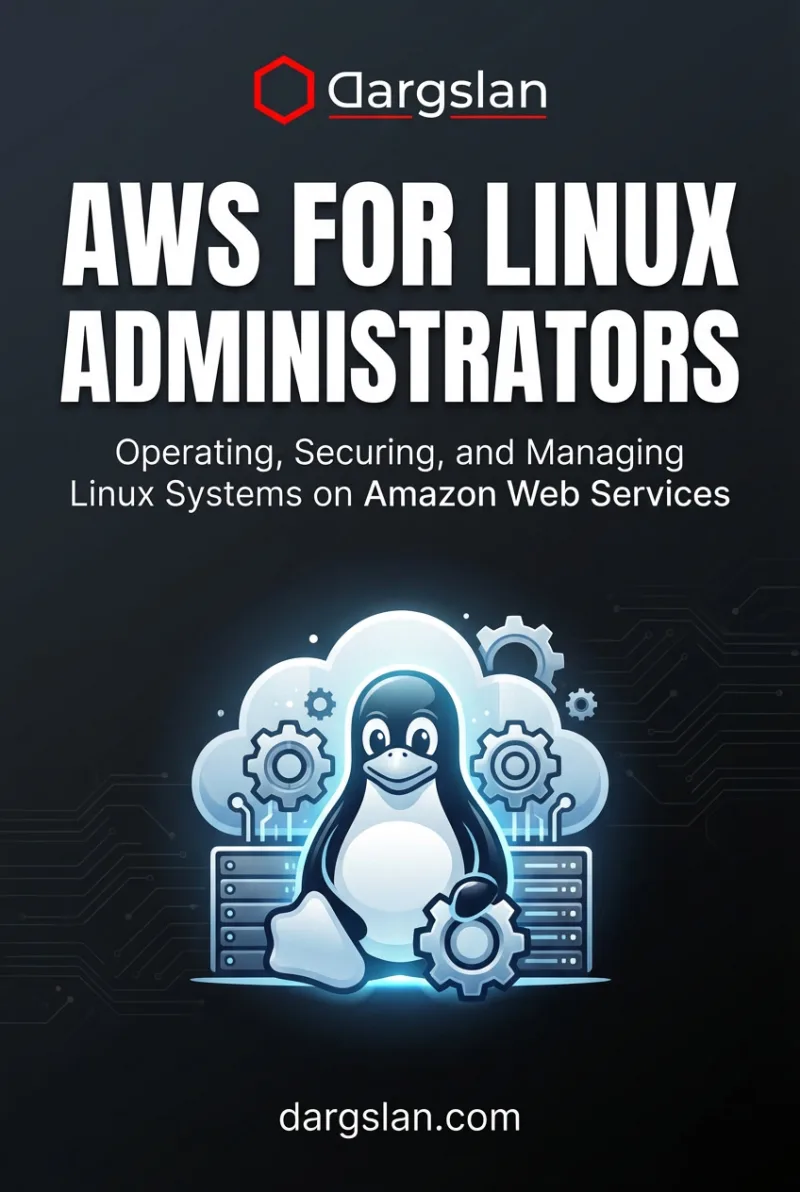
- AWS for Linux Administrators — Bridge your Linux skills directly to AWS services
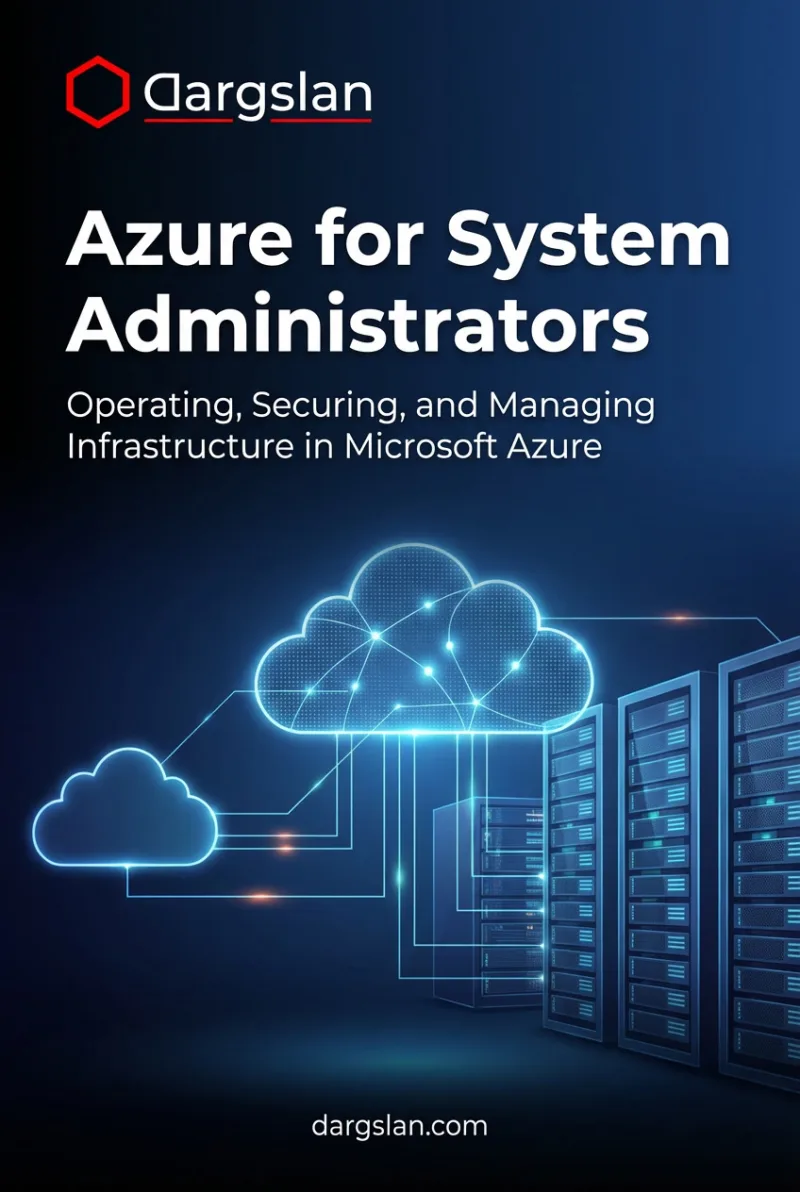
- Azure for System Administrators — Expand your cloud expertise to Microsoft Azure
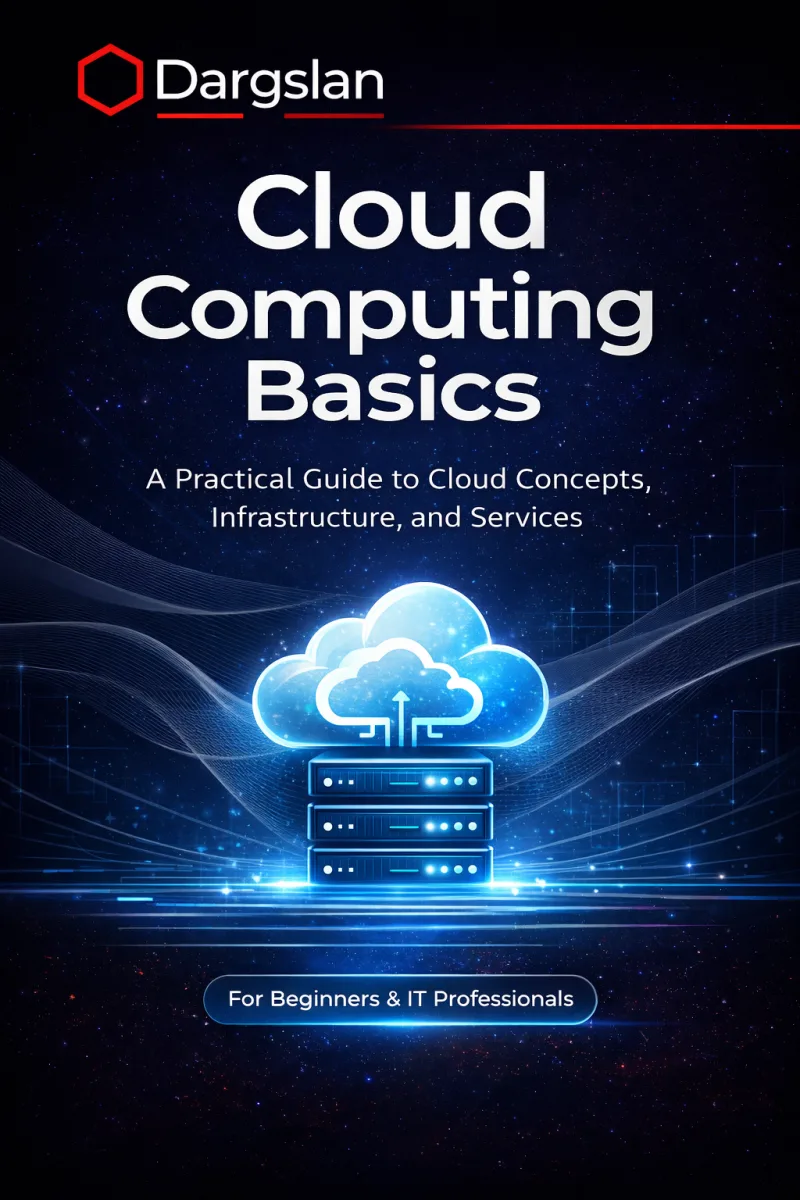
- Cloud Computing Basics — Build a solid foundation in cloud concepts and architecture