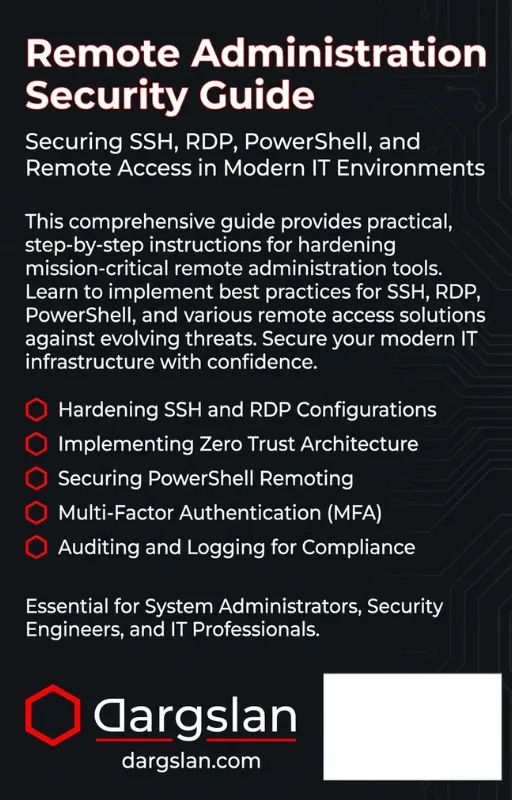
Remote Administration Security Guide
Securing SSH, RDP, PowerShell, and Remote Access in Modern IT Environments
What's Included:
At a Glance
Remote Administration Security Guide is a professional SSH & Remote Access eBook by Ethan Marshall, 372 pages, available as an instant PDF and EPUB download for €24.90 with lifetime access and free updates. Securing SSH, RDP, PowerShell, and Remote Access in Modern IT Environments.
- Length: 372 pages
- Format: PDF and EPUB (instant download)
- Language: English
- Topic: SSH & Remote Access
- Edition: 1st Edition
- Price: €24.90
Key Highlights
- SSH and RDP security hardening
- PowerShell remote administration protection
- Privileged access management
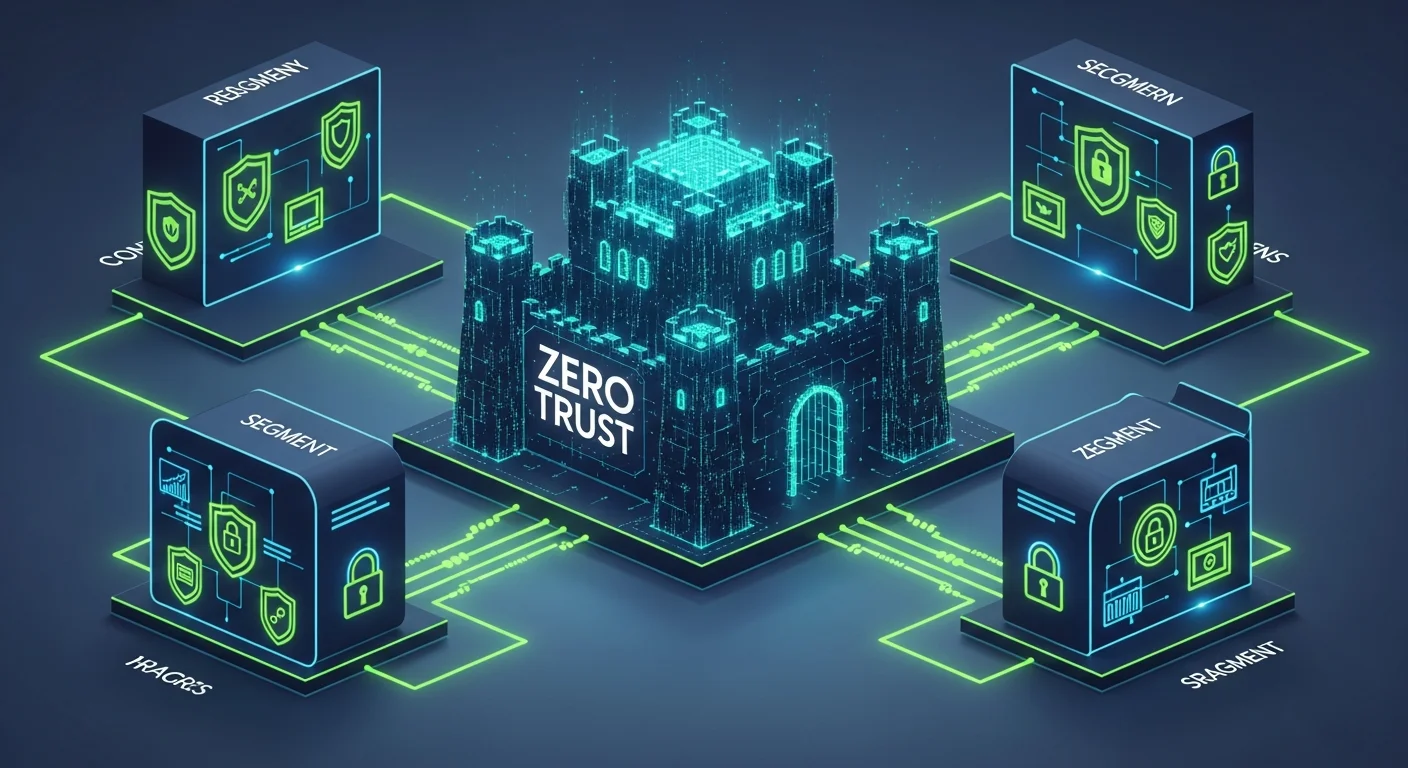
- Zero-trust remote access models
- Incident response playbooks
Overview
Learn how to secure remote administration channels like SSH, RDP, and PowerShell using modern security principles, hardening techniques, monitoring, and zero-trust strategies.
The Problem
Remote administration tools provide attackers with direct access to critical systems and privileged accounts, making them prime attack targets.
The Solution
This book provides practical strategies to secure remote administration channels using authentication hardening, network controls, monitoring, and incident response.
About This Book
Secure Remote Administration in Modern IT Environments
Remote Administration Security Guide is a practical, security-focused handbook for protecting remote access technologies such as SSH, RDP, VNC, and PowerShell Remoting. Remote administration channels are among the most targeted attack surfaces in modern infrastructure, and securing them is critical for any organization.
This book shows how to secure remote administration using proven security principles, defense-in-depth strategies, and operational best practices that work in enterprise environments.
What You Will Learn
- Threat modeling for remote administration: understanding attacker objectives
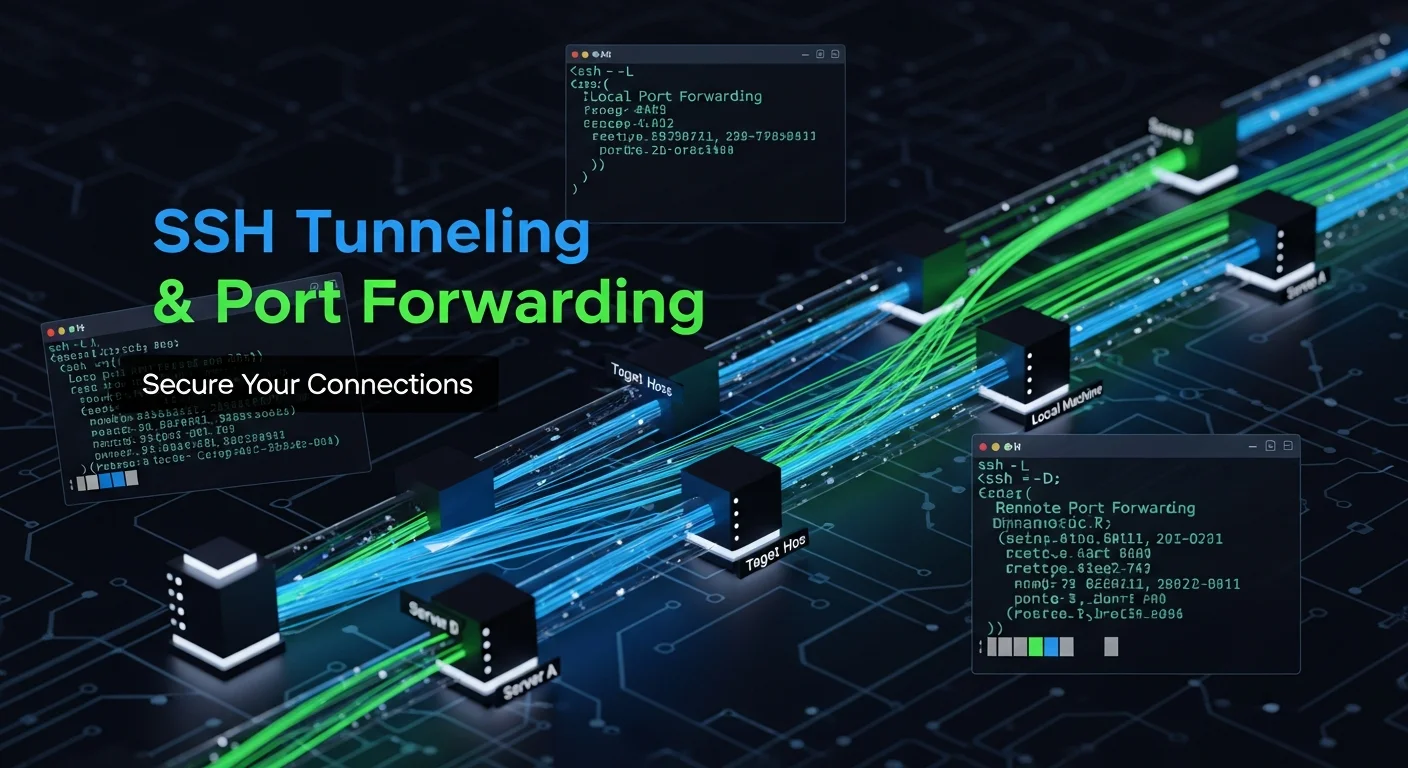
- SSH hardening: key-based authentication, configuration best practices, and jump hosts
- RDP security: Network Level Authentication, gateway configurations, and credential protection
- PowerShell Remoting security: JEA, constrained endpoints, and logging
- VNC and other remote access tools: risks and mitigations
- Strong authentication: MFA, certificate-based auth, and privileged access management
- Network exposure reduction: bastion hosts, VPNs, and zero-trust network access
- Logging, monitoring, and detecting suspicious remote access activity
- Incident response procedures for compromised remote access
- Compliance considerations: PCI-DSS, HIPAA, and SOC 2 requirements
Who Is This Book For?
This book is designed for IT professionals responsible for securing infrastructure access. It is ideal for:
- System administrators managing remote access to servers
- Security engineers implementing access controls
- DevOps engineers securing cloud infrastructure
- IT managers developing remote access policies
- Anyone implementing zero-trust security models
Why This Book?
This guide focuses on real-world enterprise environments and modern zero-trust security models. You will learn practical techniques used by security professionals.
Prerequisites
Basic understanding of networking and system administration is recommended.
Author: Ethan Marshall
Who Is This Book For?
- System administrators
- DevOps and cloud engineers
- Security engineers and SOC analysts
- Infrastructure and IT operations teams
- Anyone responsible for remote system access
Who Is This Book NOT For?
- Non-technical users
- Home users without administrative responsibilities
- Readers looking for GUI-only configuration guides
Table of Contents
- Why Remote Administration Is a Prime Target
- Security Principles for Remote Access
- Common Remote Administration Methods
- Threat Modeling Remote Access
- Authentication Hardening
- Privileged Access Management
- Restricting Network Exposure
- Firewalls, VPNs, and Secure Channels
- Securing SSH Access
- Securing Windows Remote Administration
- Logging Remote Administration Activity
- Detecting Suspicious Remote Activity
- Automating Secure Remote Access
- Incident Response for Remote Access Breaches
- Secure Remote Access Operating Model
- From Secure Remote Admin to Zero Trust
Requirements
- Basic Linux or Windows administration knowledge
- Understanding of networking fundamentals
- Familiarity with SSH, RDP, or PowerShell recommended