

OpenSSH Configuration & Tunneling Guide
Secure Configuration, Hardening, and Advanced SSH Tunneling Techniques
What's Included:
At a Glance
OpenSSH Configuration & Tunneling Guide is a professional SSH & Remote Access eBook by Bas van den Berg, 402 pages, available as an instant PDF and EPUB download for €18.90 with lifetime access and free updates. Secure Configuration, Hardening, and Advanced SSH Tunneling Techniques.
- Length: 402 pages
- Format: PDF and EPUB (instant download)
- Language: English
- Topic: SSH & Remote Access
- Edition: 1st Edition
- Price: €18.90
Key Highlights
- Deep dive into OpenSSH client and server configuration
- Production-grade SSH hardening techniques
- Advanced SSH tunneling explained with real use cases
- Secure jump host and bastion server patterns
- Automation-ready OpenSSH configurations
- Auditing, logging, and incident response guidance
Overview
Learn how to securely configure, harden, and fully exploit OpenSSH, including advanced tunneling, port forwarding, automation, and enterprise-grade SSH practices.
The Problem
Default OpenSSH configurations expose systems to brute-force attacks, credential abuse, and lateral movement. Many administrators also fail to use SSH tunneling effectively, relying on insecure network workarounds.
The Solution
This book provides a complete, security-first approach to OpenSSH configuration, hardening, and tunneling—enabling secure remote access, protected network paths, and efficient automation.
About This Book
Master OpenSSH Beyond Basic Remote Access
OpenSSH Configuration & Tunneling Guide is a practical, security-focused handbook for professionals who want to fully leverage OpenSSH in modern infrastructure. OpenSSH is far more than just a remote login tool—it is a powerful, flexible networking utility that can secure connections, create tunnels, and automate workflows.
Most environments rely on default SSH configurations, weak authentication, and minimal understanding of tunneling capabilities. This book shows how to transform OpenSSH into a secure, flexible, and powerful networking tool.
What You Will Learn
- OpenSSH architecture and protocol fundamentals
- SSH client configuration: ~/.ssh/config best practices
- SSH server hardening: sshd_config security settings
- SSH key management: generation, storage, and rotation
- SSH agent and agent forwarding
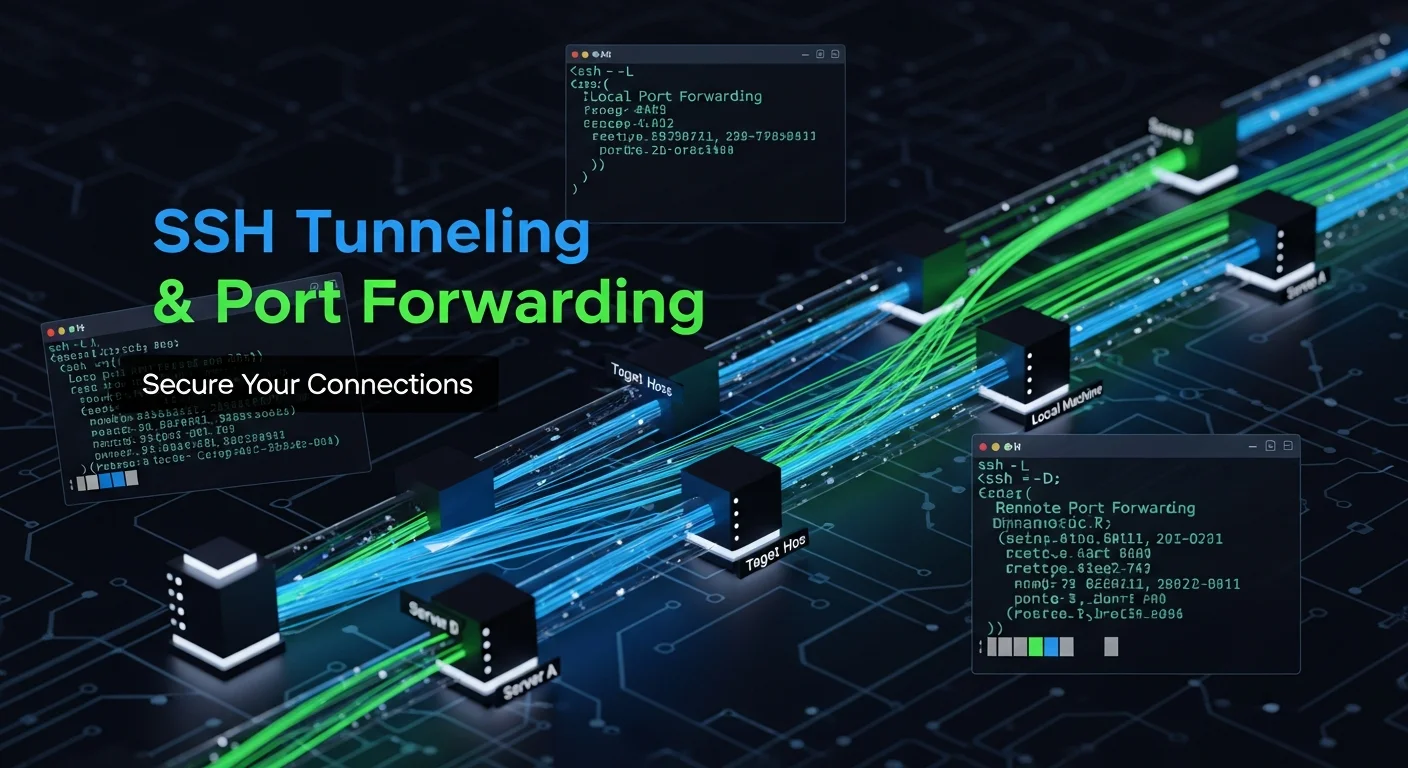
- Local port forwarding: accessing remote services securely
- Remote port forwarding: exposing local services
- Dynamic port forwarding: SOCKS proxy with SSH
- Jump hosts and ProxyJump for bastion server access
- SSH multiplexing for performance and session reuse
- Automation and scripting with OpenSSH
- Certificate-based authentication with SSH CA
- Logging, auditing, and intrusion detection
- Troubleshooting common SSH issues
Who Is This Book For?
This book is designed for IT professionals who use SSH daily. It is ideal for:
- Linux system administrators
- Security engineers hardening infrastructure
- DevOps engineers automating deployments
- Network engineers securing remote access
- Anyone who wants to master SSH beyond the basics
Why This Book?
By the end of this book, OpenSSH will become a controlled, hardened, and versatile component of your infrastructure—not just a login mechanism.
Prerequisites
Basic Linux command-line experience and familiarity with SSH basics is recommended.
Author: Bas van den Berg
Who Is This Book For?
- Linux and Unix system administrators
- DevOps and SRE engineers
- Security and blue-team professionals
- Network engineers using SSH tunnels
- Cloud and hybrid infrastructure admins
Who Is This Book NOT For?
- Absolute beginners with no SSH experience
- Users looking only for basic SSH login usage
- Readers seeking GUI-based remote tools
Table of Contents
- What OpenSSH Is and Why It Matters
- OpenSSH Architecture
- OpenSSH Client Basics
- Advanced SSH Client Configuration
- OpenSSH Server Configuration Basics
- Hardening OpenSSH Servers
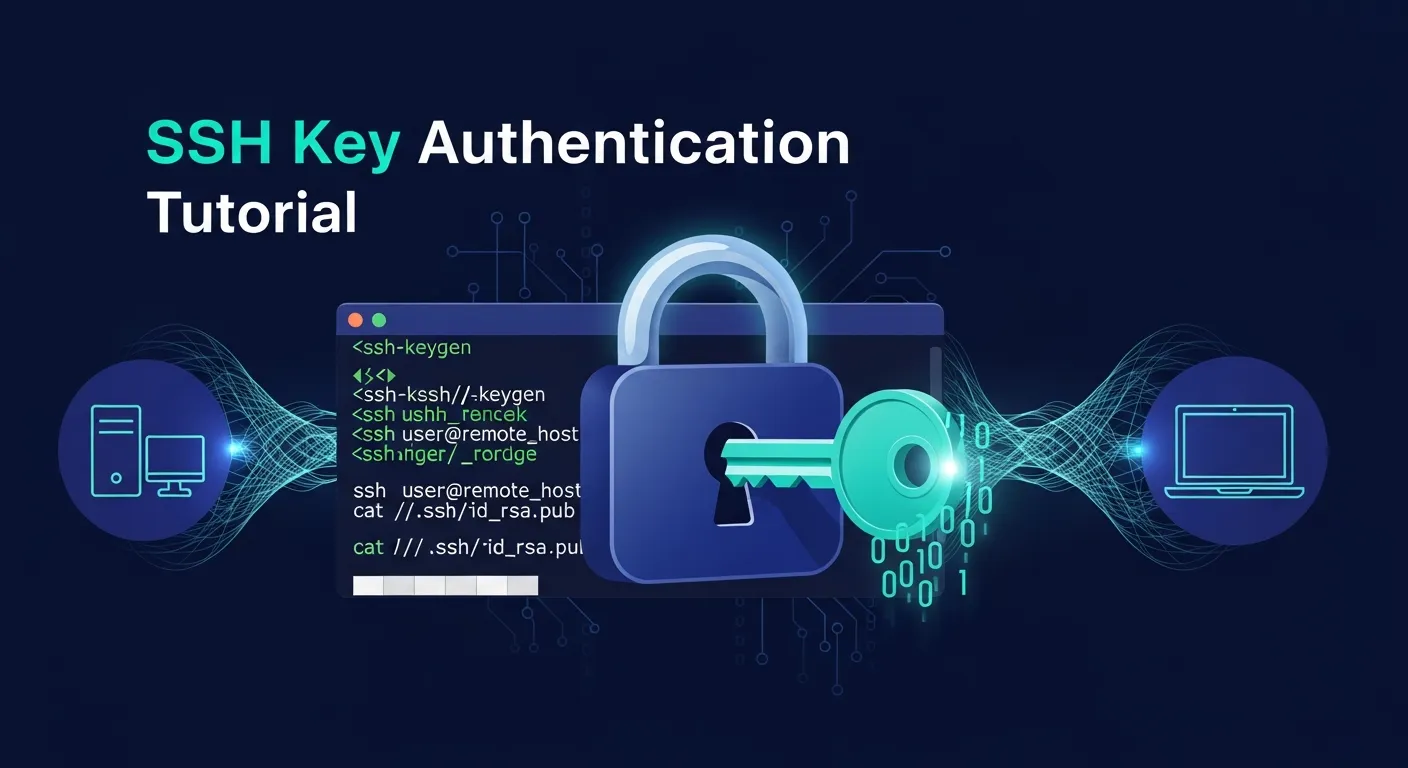
- SSH Key Authentication in Depth
- SSH Agents and Forwarding
- Understanding SSH Tunneling
- Local Port Forwarding
- Remote Port Forwarding
- Dynamic Port Forwarding (SOCKS)
- SSH Multiplexing
- Jump Hosts and Bastion Servers
- OpenSSH in Automation
- Logging, Auditing, and Monitoring
- Handling SSH Security Incidents
- OpenSSH Best Practices Checklist
- From OpenSSH User to Expert
Requirements
- Basic Linux or Unix command-line experience
- Basic understanding of SSH usage
- Access to Linux servers or VMs recommended