🎁 New User? Get 20% off your first purchase with code NEWUSER20 Register Now →
Menu

Categories

Databases Advanced

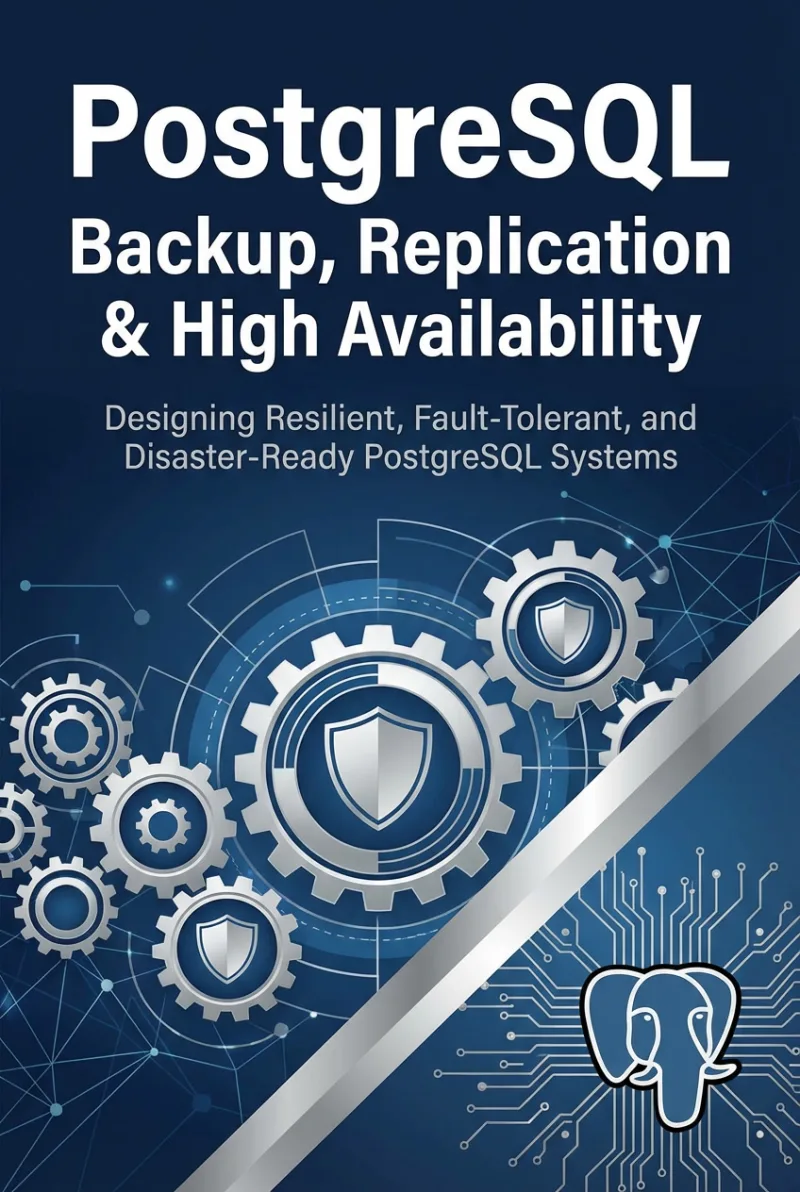
What is Replication?

The process of copying and maintaining database data across multiple servers for redundancy, failover, and read scaling.

Database replication copies data from a primary server to one or more replicas. Synchronous replication waits for replicas to confirm writes (strong consistency but slower). Asynchronous replication is faster but may have slight data lag.

Use cases include high availability (automatic failover), read scaling (distribute reads across replicas), geographic distribution (replicas near users), and disaster recovery. PostgreSQL supports streaming replication and logical replication.

Related Terms

Elastic Search
A distributed search and analytics engine built on Apache Lucene, optimized for full-text search and log analysis.
Database Constraint
Rules enforced by the database to maintain data integrity, including NOT NULL, UNIQUE, CHECK, PRIMARY KEY, and FOREIGN KEY.
NoSQL
A category of databases that store data in non-tabular formats, optimized for specific data models and access patterns.
Database Index Types
Different index structures (B-tree, Hash, GIN, GiST, BRIN) optimized for various query patterns and data types.
Upsert
A database operation that inserts a new row if it does not exist, or updates the existing row if it does.
Database Sharding
A horizontal scaling strategy that distributes data across multiple database servers based on a partition key.
View All Databases Terms →