🎁 New User? Get 20% off your first purchase with code NEWUSER20 Register Now →
Menu

Categories

Web Development Intermediate

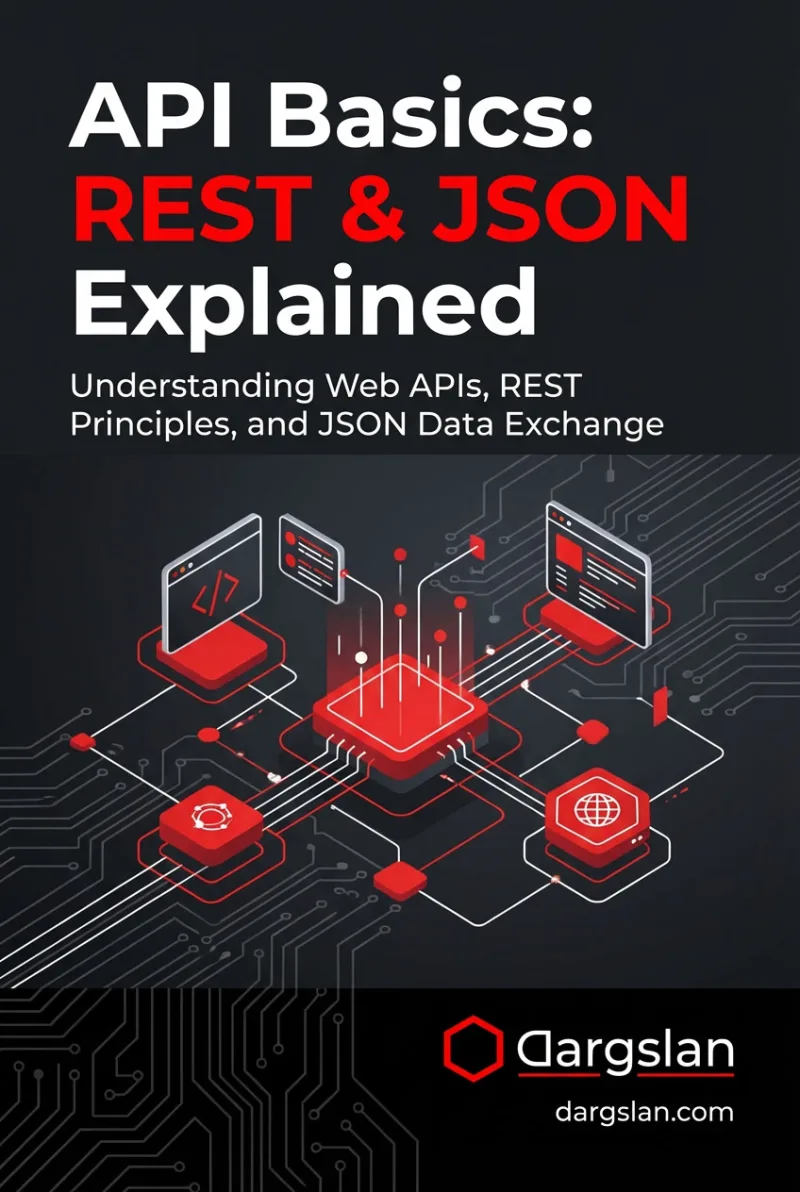
What is REST (Representational State Transfer)?

An architectural style for designing networked applications using standard HTTP methods and stateless communication.

REST defines principles for web service design: statelessness (each request contains all needed information), resource-based URLs (/users/123), standard HTTP methods (GET, POST, PUT, DELETE), and uniform interface.

RESTful APIs return standard HTTP status codes and typically use JSON format. Best practices include versioning (/api/v1/), pagination, filtering, HATEOAS (hypermedia links), and proper error responses.
Related Terms

Static Site Generator (SSG)
A tool that generates a complete static HTML website from templates and content at build time, requiring no server-side processing.
Server-Sent Events
A server push technology that enables a server to send real-time updates to a browser over a single HTTP connection.
HTTP Status Codes
Standardized three-digit codes returned by web servers to indicate the result of a client's HTTP request.
CSS Flexbox
A CSS layout model that provides efficient arrangement of items within a container, handling alignment, distribution, and spacing.
Web Performance Optimization
Techniques to make websites load faster and respond more quickly, improving user experience and search engine rankings.
gRPC
A high-performance RPC framework using Protocol Buffers and HTTP/2 for efficient service-to-service communication.
View All Web Development Terms →