🎁 New User? Get 20% off your first purchase with code NEWUSER20 Register Now →
Menu

Categories

Programming Concepts Beginner

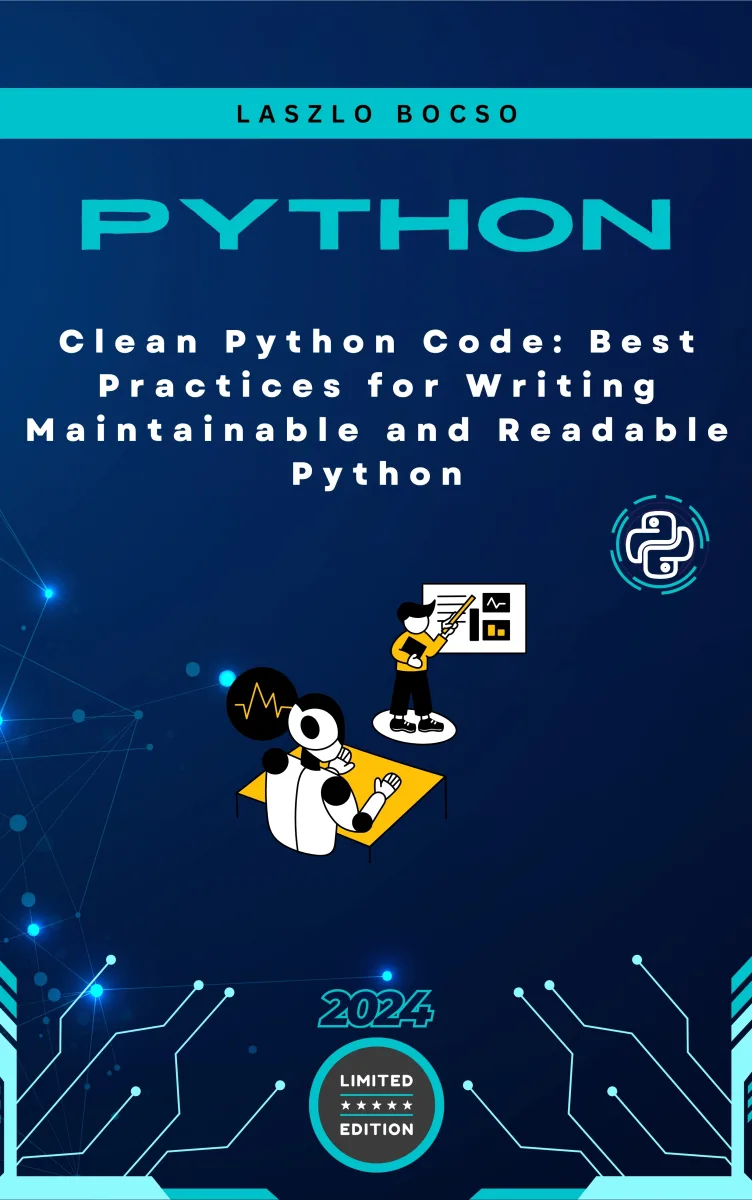
What is Clean Code?

Code that is easy to read, understand, and maintain — following consistent conventions, meaningful naming, and single-responsibility functions.

Clean code principles, popularized by Robert C. Martin, emphasize readability as a primary concern. Key practices include meaningful variable and function names that reveal intent, small functions that do one thing, consistent formatting, minimal comments (code should be self-explanatory), no code duplication (DRY), proper error handling, and clear separation of concerns. Clean code is not just about aesthetics — it directly impacts maintainability, bug density, and team velocity. The boy scout rule encourages leaving code cleaner than you found it, enabling continuous improvement of codebase quality.

Related Terms

Dependency Injection
A design pattern where objects receive their dependencies from external sources rather than creating them internally.
API Design
The practice of designing application programming interfaces that are consistent, intuitive, and maintainable for developers to consume.
Unit Testing
Testing individual components or functions of a program in isolation to verify they work correctly.
Stack
A data structure that follows Last-In-First-Out (LIFO) ordering, where elements are added and removed from the same end (top).
Immutable Object
An object whose state cannot be modified after creation, providing thread safety and predictable behavior in concurrent systems.
Twelve-Factor App
A methodology of twelve best practices for building modern, scalable, maintainable software-as-a-service applications.
View All Programming Concepts Terms →