🎁 New User? Get 20% off your first purchase with code NEWUSER20 · ⚡ Instant download · 🔒 Secure checkout Register Now →
Menu

Categories

Databases Beginner

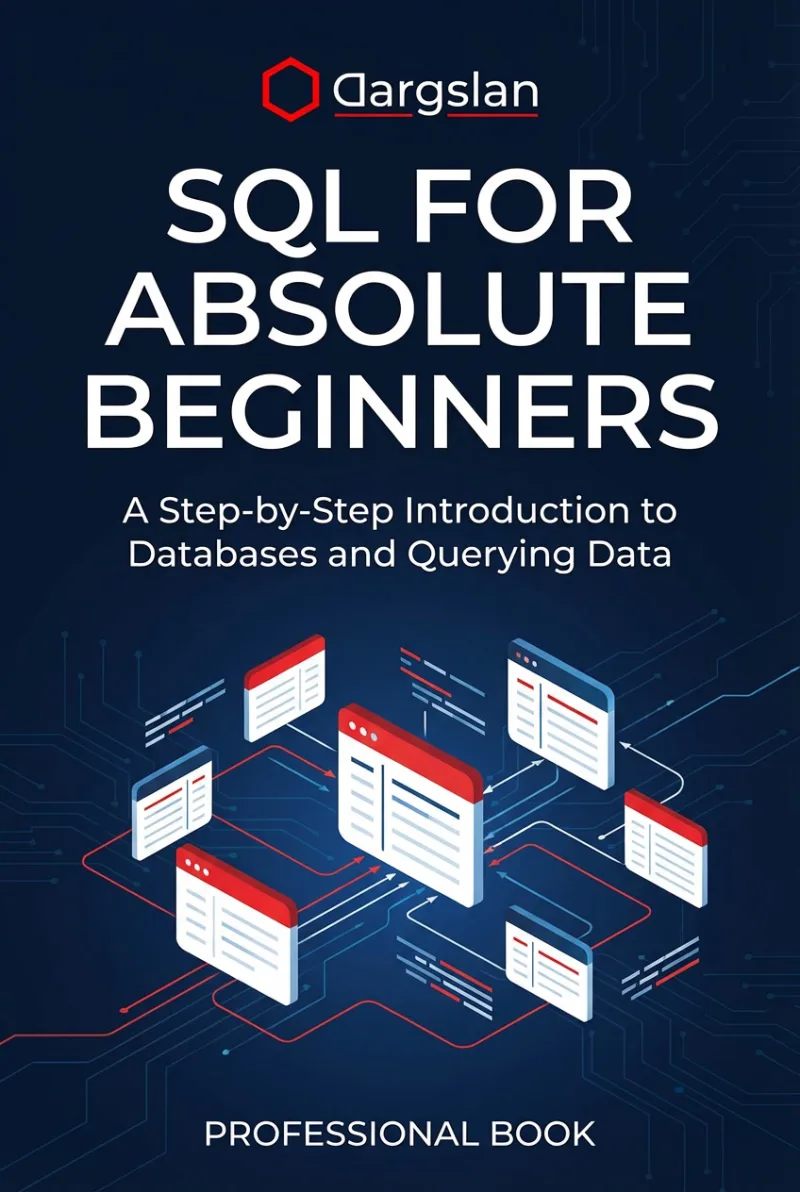
What is SQL?

Structured Query Language — the standard language for managing and querying data in relational databases.

SQL is used to create, read, update, and delete data in relational databases. Key statements include SELECT (query), INSERT (add), UPDATE (modify), DELETE (remove), CREATE TABLE, and ALTER TABLE.

SQL supports complex operations like JOINs (combining tables), GROUP BY (aggregation), subqueries, transactions, and views. Major SQL databases include PostgreSQL, MySQL, SQL Server, and Oracle.
Related Terms

Row-Level Security (RLS)
A database feature that restricts which rows a user can access in a table based on security policies.
MVCC (Multi-Version Concurrency Control)
A technique where the database maintains multiple versions of data to allow concurrent reads and writes without locking.
B-Tree Index
The default index type in most databases that organizes data in a balanced tree structure for efficient searching, sorting, and range queries.
Time-Series Database
A database optimized for storing and querying timestamped data points like metrics, sensor readings, and event logs.
NoSQL
A category of databases that store data in non-tabular formats, optimized for specific data models and access patterns.
Index
A data structure that improves the speed of data retrieval operations on database tables at the cost of additional storage.
View All Databases Terms →