Master Linux Security
Protect critical infrastructure. Learn hardening, firewalls, SELinux, and security auditing. Join the cybersecurity frontline.
Get Security BundleThe Security Imperative
Cybersecurity threats grow more sophisticated every day. Organizations need skilled professionals who can protect their Linux infrastructure from attackers. Security specialists are among the highest-paid IT professionals, and demand far exceeds supply.
Why Linux Security?
Linux runs critical infrastructure worldwide - web servers, databases, cloud platforms, and financial systems. Securing these systems requires specialized knowledge beyond general system administration. Security professionals command premium salaries and enjoy strong job security.
Your Security Arsenal
- System Hardening: Reduce attack surface by eliminating vulnerabilities
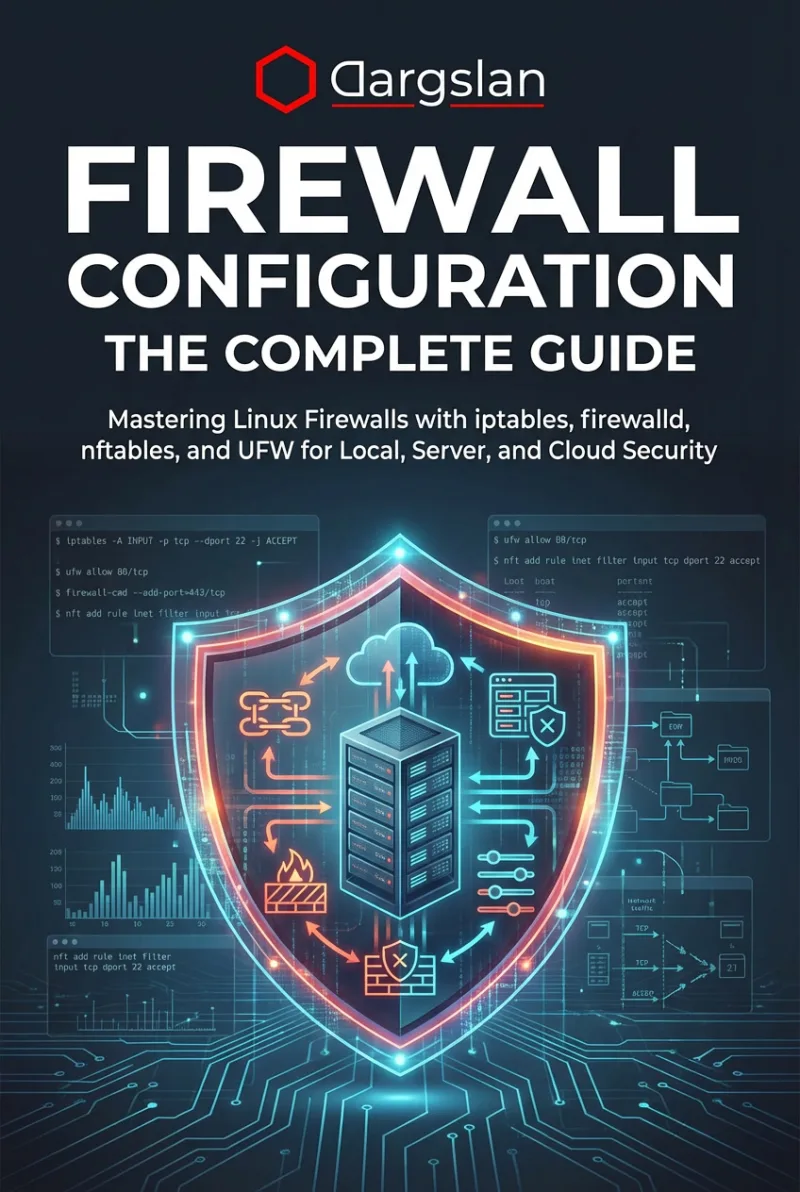
- Firewall Configuration: Control network traffic with iptables and nftables
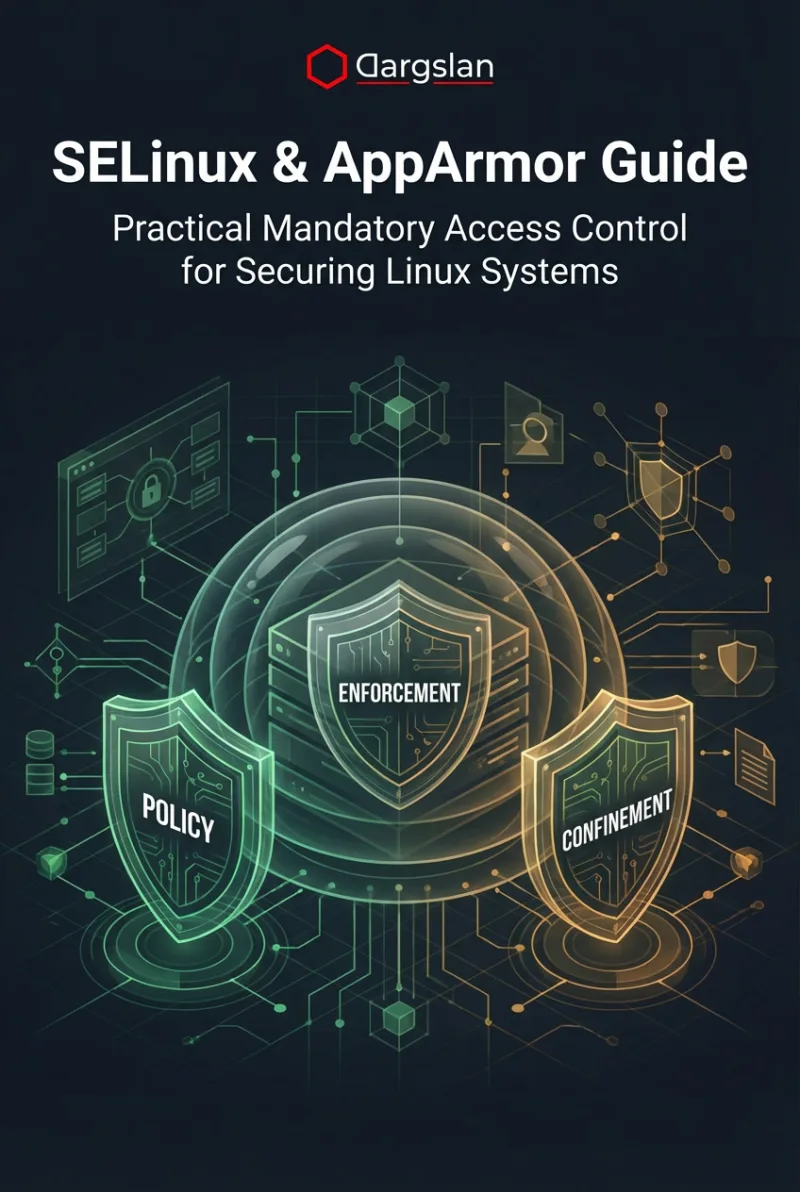
- SELinux & AppArmor: Implement mandatory access controls
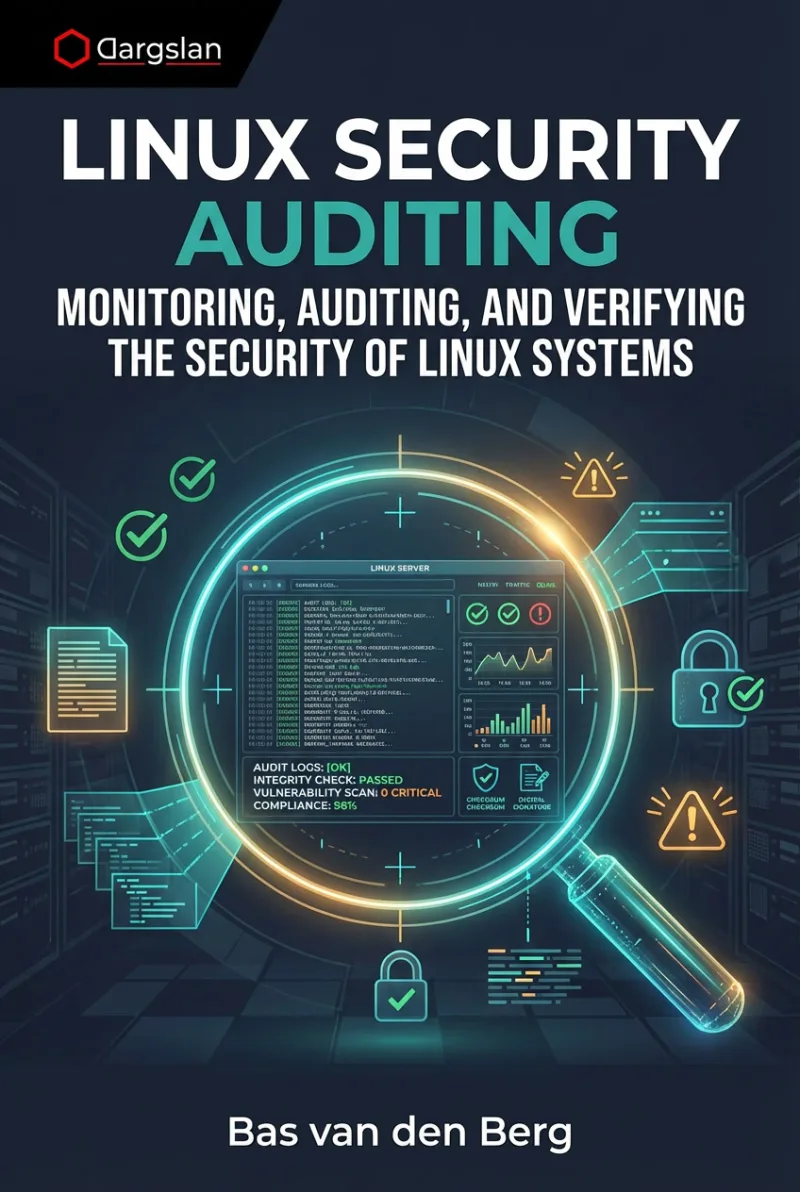
- Security Auditing: Assess systems for compliance and vulnerabilities
- Incident Response: Detect, contain, and remediate breaches
- Compliance: Meet regulatory requirements (PCI-DSS, HIPAA, SOC2)
Defense in Depth
Effective security requires multiple layers. Our materials teach you to think holistically about security - from network perimeter to application level, from prevention to detection to response.
Career Paths
Linux security skills lead to roles like Security Engineer, Security Analyst, Penetration Tester, and Security Architect. Many security professionals earn €80,000-€150,000, with specialized roles commanding even higher compensation.
Key Features
Critical Skills
Protect the infrastructure that powers modern business and society
Premium Pay
Security professionals earn €80-150K+ due to high demand and low supply
Growing Field
Cybersecurity job openings are growing 3x faster than other IT roles
Career Stability
Security skills remain relevant as threats evolve - constant learning, constant demand
Frequently Asked Questions
Do I need Linux admin experience first?
Basic Linux knowledge helps, but our Security Essentials book covers the necessary foundations. You do not need to be an expert before starting.
Is this ethical hacking training?
We focus on defensive security - protecting systems rather than attacking them. However, understanding attacker techniques is part of effective defense.
What certifications complement this training?
CompTIA Security+, CEH, and OSCP are popular security certifications. Our materials help prepare for Security+ specifically.
Can I practice security skills legally?
Yes! Set up your own lab environment with virtual machines. We provide guidance on creating safe practice environments.