System engineering (also called systems administration or infrastructure engineering) is the backbone of every IT organization. While developers write the code, system engineers make sure it actually runs — reliably, securely, and at scale.
In 2026, the role has evolved far beyond "installing servers." Modern system engineers are automation experts, cloud architects, and security guardians rolled into one.
What Does a System Engineer Actually Do?
A system engineer manages the infrastructure that applications and services run on. Your responsibilities typically include:
- Server management — provisioning, configuring, and maintaining Linux/Windows servers
- Cloud infrastructure — AWS EC2, Azure VMs, GCP Compute Engine, Terraform IaC
- Automation — Ansible playbooks, Bash/Python scripts, CI/CD pipelines
- Monitoring & alerting — Prometheus, Grafana, Zabbix, ELK stack
- Backup & disaster recovery — designing backup strategies, testing recovery plans
- Security hardening — patching, vulnerability management, compliance (SOC2, ISO 27001)
- Containerization — Docker, Kubernetes, container orchestration
- Database administration — PostgreSQL, MySQL, MongoDB basic operations
- Documentation — runbooks, architecture diagrams, incident postmortems
System Engineer vs. DevOps Engineer vs. SRE
These roles overlap significantly, but here's how they differ:
| Role | Focus | Key Difference |
|---|---|---|
| System Engineer | Infrastructure reliability | Manages servers, OS, networking, storage |
| DevOps Engineer | Development velocity | CI/CD, developer tooling, bridging dev & ops |
| SRE (Site Reliability Engineer) | Service reliability | SLOs, error budgets, incident management |
In practice, many job postings blur these boundaries. A strong system engineer can transition into DevOps or SRE easily.
Essential Skills for System Engineers in 2026
1. Linux Administration (Non-Negotiable)
Linux runs 96% of the world's top servers. You must master:
- System installation and configuration (RHEL, Ubuntu, Debian, AlmaLinux)
- Package management (apt, dnf, yum)
- User/group management and permissions
- Service management with systemd
- Log analysis (journalctl, /var/log)
- Process management and troubleshooting
- Storage management (LVM, RAID, ZFS, Btrfs)
2. Automation & Configuration Management
Ansible is the most popular tool for system engineers. Also learn:
- Bash scripting — your daily Swiss Army knife
- Python — for complex automation tasks
- Terraform — infrastructure as code for cloud resources
- Puppet/Chef — still used in many enterprises
3. Cloud Platforms
At least one cloud platform is essential:
- AWS — market leader (~33% market share)
- Azure — dominant in Microsoft-heavy enterprises
- GCP — growing, especially for Kubernetes-native workloads
4. Containerization & Orchestration
Docker and Kubernetes are standard tools. Understand:
- Container building, networking, and storage
- Docker Compose for local development
- Kubernetes deployments, services, ingress
- Helm charts for application packaging
5. Monitoring & Observability
Modern system engineers build comprehensive monitoring:
- Prometheus + Grafana — metrics and dashboards
- ELK/EFK Stack — log aggregation and analysis
- Alertmanager — intelligent alerting
- Uptime monitoring — Nagios, Zabbix, or cloud-native solutions
6. Networking Fundamentals
You don't need CCNA-level knowledge, but you must understand DNS, DHCP, firewalls, load balancers, VPNs, and basic TCP/IP troubleshooting.
Certification Roadmap
Entry Level (0-1 year)
- CompTIA Linux+ — vendor-neutral Linux fundamentals
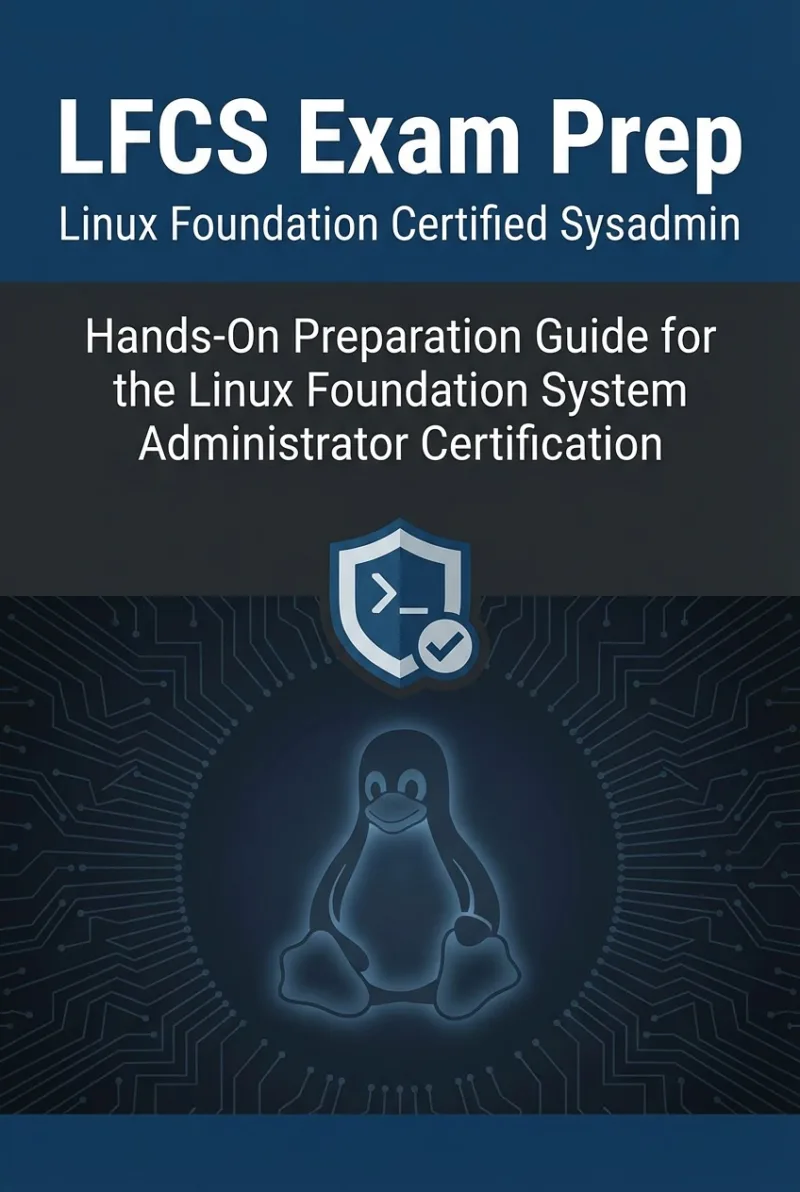
- LFCS — Linux Foundation Certified System Administrator
- AWS Cloud Practitioner — cloud basics
Mid Level (1-3 years)
- RHCSA — Red Hat Certified System Administrator (gold standard)
- AWS Solutions Architect Associate — cloud architecture
- CKA — Certified Kubernetes Administrator
Senior Level (3-5+ years)
- RHCE — Red Hat Certified Engineer (automation focus)
- AWS Solutions Architect Professional
- CISSP/CISM — for security-focused sysadmins
Salary Expectations in 2026
| Level | US Salary | EU Salary | Experience |
|---|---|---|---|
| Junior | $55,000–$75,000 | €35,000–€48,000 | 0-2 years |
| Mid-Level | $80,000–$110,000 | €50,000–€75,000 | 2-5 years |
| Senior | $110,000–$150,000 | €75,000–€100,000 | 5-8 years |
| Staff/Principal | $150,000–$200,000+ | €95,000–€140,000 | 8+ years |
How to Get Your First System Engineering Job
- Build a home lab — Install Proxmox or VMware ESXi and run multiple VMs
- Master Linux — Use Linux as your daily driver, break things and fix them
- Get certified — LFCS or RHCSA immediately signal competence
- Automate everything — Write Ansible playbooks for your home lab
- Contribute to open-source — Even documentation PRs count
- Start a tech blog — Document what you learn, employers love this
- Apply for helpdesk/junior sysadmin roles — Everyone starts somewhere
Recommended Books to Accelerate Your Career
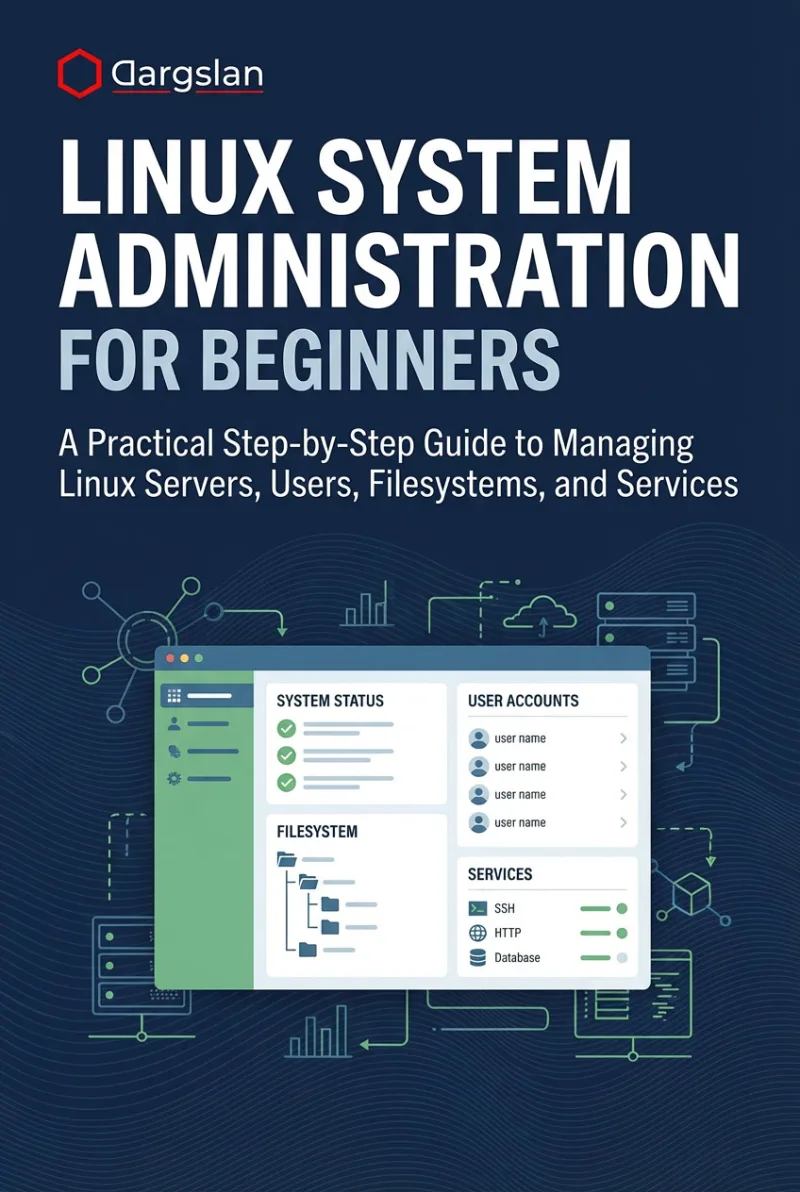
Skip the trial and error — these books give you structured knowledge that would take years to learn on the job:
Day in the Life of a System Engineer
8:00 AM — Review Grafana dashboards, check overnight alerts and incidents
9:00 AM — Daily standup, review infrastructure change requests
10:00 AM — Write Terraform code for new AWS infrastructure
11:00 AM — Debug a Docker container crash in the staging environment
1:00 PM — Security patching sprint: update 50 servers via Ansible
2:00 PM — Incident response: investigate slow database queries
3:00 PM — Document the new backup and recovery procedure
4:00 PM — Code review on a colleague's Kubernetes Helm chart
Is System Engineering a Good Career in 2026?
Without a doubt. As long as software exists, someone needs to run the infrastructure. Cloud adoption hasn't eliminated system engineers — it's transformed the role into something more automated, more cloud-native, and more valuable than ever.
The system engineers who thrive in 2026 are those who embrace automation, learn cloud platforms, and understand modern DevOps practices.
Frequently Asked Questions
Is system administration dying?
No. Traditional "click and configure" sysadmin work is declining, but infrastructure engineering is growing. The role is evolving, not disappearing. Companies need people who can manage cloud infrastructure, automate operations, and maintain security.
Should I learn Linux or Windows?
Both, but prioritize Linux. It dominates cloud servers, containers, and DevOps tooling. Windows Server knowledge is valuable in enterprise environments but is rarely sufficient on its own.
What's the difference between a system engineer and a system architect?
A system engineer implements and maintains infrastructure. A system architect designs the overall infrastructure strategy, makes technology decisions, and creates reference architectures. Architects typically have 8+ years of experience.
Do I need to know programming?
Yes — at minimum Bash scripting and Python. You don't need to be a software developer, but you must be able to automate tasks, write configuration management code, and create monitoring scripts.