What is Python?
Python is a high-level, general-purpose programming language known for its clean, readable syntax and incredible versatility. Created by Guido van Rossum in 1991, Python has grown into the most popular programming language in the world according to the TIOBE Index, Stack Overflow Developer Survey, and GitHub statistics.
What makes Python special is its philosophy: code should be easy to read and write. While other languages use curly braces and semicolons, Python uses indentation — making code look almost like plain English. This design choice makes Python the ideal first language for beginners, while still being powerful enough to run Instagram, Spotify, Dropbox, and NASA's mission-critical systems.
Python is an interpreted language, meaning you do not need to compile your code before running it. You write a script, run it, and see the results immediately. This rapid feedback loop makes development faster and debugging easier.
Why Should You Learn Python?
Python consistently ranks as the number one language to learn, and for good reason:
- Most popular language: Python has been the #1 language on the TIOBE Index since 2021. It has the largest and fastest-growing developer community in the world.
- Easiest to learn: Python's syntax is closer to human language than any other mainstream programming language. You can write meaningful programs within hours of starting.
- Incredibly versatile: Web development, data science, machine learning, automation, scripting, DevOps, cybersecurity, game development — Python does it all.
- Job market: Python developers are in massive demand. Over 40% of job listings for developers mention Python. It is the #1 required language for data science and AI roles.
- Salary: Python developers earn an average of 5,000-30,000/year. Specialized roles (ML engineer, data scientist) can reach 50,000-00,000+.
- Massive ecosystem: Python has over 400,000 packages on PyPI (the Python Package Index). Whatever you need to do, there is probably a library for it.
Who is Python For?
- Complete beginners who have never written a line of code — Python is the most recommended first language
- Data scientists and analysts who work with data, statistics, and visualizations
- Machine learning engineers building AI models with TensorFlow, PyTorch, or scikit-learn
- System administrators who want to automate repetitive tasks and write scripts
- Web developers building backends with Django or Flask
- DevOps engineers writing automation scripts, tools, and infrastructure code
- Security professionals building custom tools for penetration testing and security analysis
If you are unsure which programming language to start with, the answer is almost always Python.
How Does Python Work?
Here are the key concepts that make Python tick:
1. Interpreted Language
Unlike C or Java, Python code is not compiled into machine code before running. Instead, the Python interpreter reads and executes your code line by line. This means you can write code and run it immediately — no build step required. The trade-off is that Python is slower than compiled languages, but for most applications, this difference is negligible.
2. Dynamic Typing
In Python, you do not need to declare variable types. Write x = 5 and Python knows it is an integer. Write x = "hello" and now it is a string. This makes coding faster and more flexible, though it means errors can appear at runtime rather than at compile time.
3. Indentation-Based Syntax
Python uses whitespace (indentation) to define code blocks instead of curly braces. This enforces clean, readable code by design. A function, loop, or conditional is defined by its indentation level — what you see is what runs.
4. Standard Library
Python comes with a rich standard library ("batteries included") that provides modules for file I/O, HTTP requests, JSON parsing, regular expressions, math, dates, and much more — no external packages needed for common tasks.
5. Package Ecosystem (pip)
pip is Python's package manager, connecting you to PyPI's 400,000+ packages. Need to analyze data? pip install pandas. Build a web app? pip install django. Train a neural network? pip install tensorflow. One command, and you are ready.
6. Virtual Environments
Python uses virtual environments (venv) to isolate project dependencies. Each project gets its own set of packages, preventing conflicts between different projects that may need different versions of the same library.
Getting Started: Your First Python Program
After installing Python, open your terminal and try these:
# 1. Check your Python version
python3 --version

# 2. Start the interactive interpreter (REPL)
python3
>>> print("Hello, World!")
>>> 2 + 2
>>> name = "Dargslan"
>>> print(f"Welcome to {name}!")
>>> exit()

# 3. Create and run your first script
echo '
numbers = [1, 2, 3, 4, 5]
total = sum(numbers)
average = total / len(numbers)
print(f"Numbers: {numbers}")
print(f"Sum: {total}, Average: {average}")

for i, n in enumerate(numbers, 1):
    print(f"  #{i}: {n} (squared: {n**2})")
' > first_script.py

python3 first_script.py
That is it — you just wrote and ran your first Python program. No compilation, no boilerplate, no complex setup. This simplicity is why Python is loved by millions.
Common Use Cases
1. Data Science and Analytics
Python is the undisputed king of data science. Libraries like Pandas (data manipulation), NumPy (numerical computing), Matplotlib (visualization), and Jupyter Notebooks (interactive analysis) make Python the go-to tool for anyone working with data. Companies like Netflix, Airbnb, and Uber use Python for their data pipelines.
2. Machine Learning and AI
Python dominates artificial intelligence. TensorFlow, PyTorch, scikit-learn, and Hugging Face are all Python-first. When researchers publish new AI models, they publish Python code. If you want to work in AI, Python is not optional — it is mandatory.
3. Web Development
Django powers Instagram, Pinterest, and Mozilla. Flask and FastAPI are popular for APIs and microservices. Python may not be as common as JavaScript for web frontends, but for backends, it is a top-tier choice.
4. Automation and Scripting
Python excels at automating boring tasks: renaming thousands of files, scraping websites, sending automated emails, processing spreadsheets, interacting with APIs. System administrators and DevOps engineers use Python daily for automation scripts that save hours of manual work.
Python vs Other Languages
| Feature | Python | JavaScript | Java | Go |
|---|---|---|---|---|
| Learning curve | Very easy | Easy | Moderate | Moderate |
| Syntax | Clean, readable | Flexible, quirky | Verbose | Simple, strict |
| Speed | Slower | Fast (V8) | Fast (JVM) | Very fast |
| Best for | Data, AI, scripting | Web (full-stack) | Enterprise | Cloud, systems |
| Job market | #1 most demanded | #2 | #3 | Growing fast |
| Package ecosystem | 400,000+ (PyPI) | 2M+ (npm) | Large (Maven) | Growing |
| Typing | Dynamic | Dynamic | Static | Static |
Python wins on readability and versatility. JavaScript wins on web ubiquity. Java wins on enterprise scale. Go wins on raw performance. Each language has its sweet spot — but Python covers the widest range of use cases.
What to Learn Next
Here is a structured learning path after you understand the basics:
- Core syntax: Variables, data types, strings, lists, dictionaries, tuples, sets
- Control flow: If/else, for loops, while loops, list comprehensions
- Functions: Defining functions, arguments, return values, lambda functions
- Object-Oriented Programming: Classes, objects, inheritance, encapsulation
- File handling: Reading/writing files, CSV, JSON, working with APIs
- Libraries: Pick a direction — Pandas for data, Django for web, or Requests for APIs
- Projects: Build real things — a web scraper, a CLI tool, a REST API, a data dashboard
Download our free Python Syntax Cheat Sheet to keep all essential syntax at your fingertips.
Recommended Books
If you want a structured, hands-on learning experience, check out these resources:
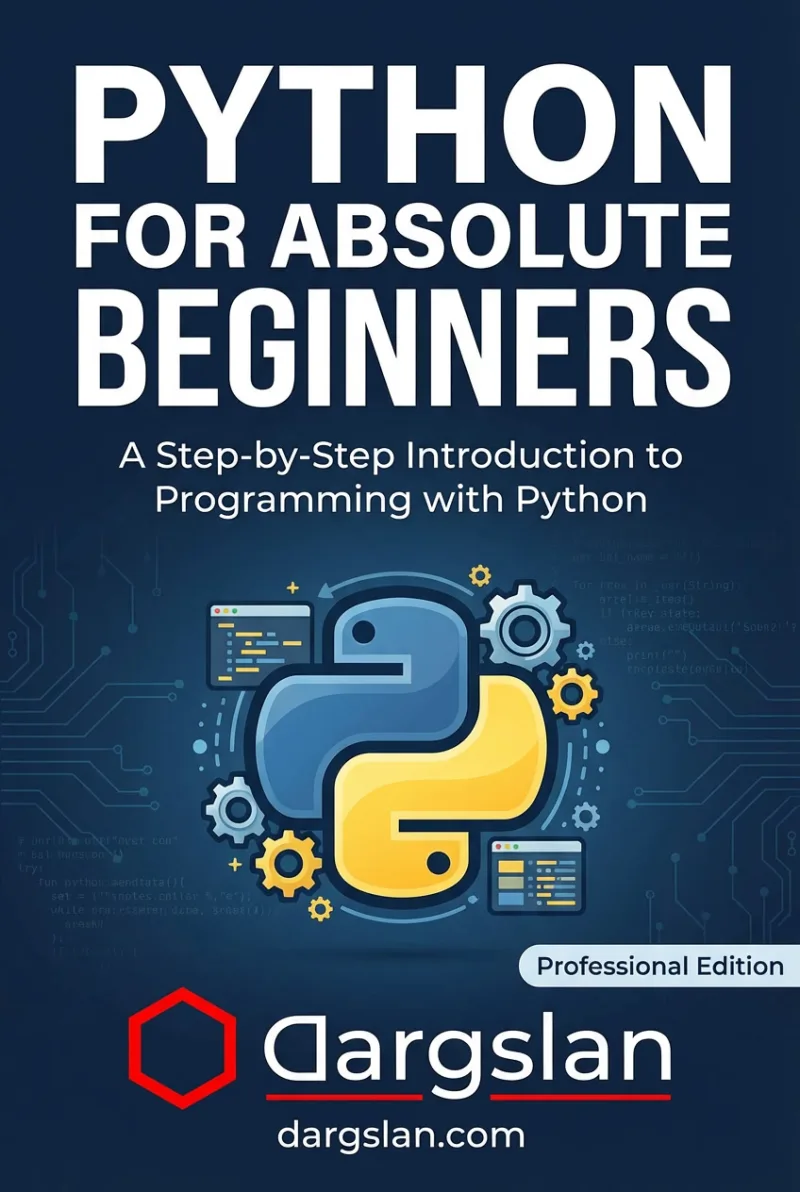
- Python for Absolute Beginners — start here if you have never coded before
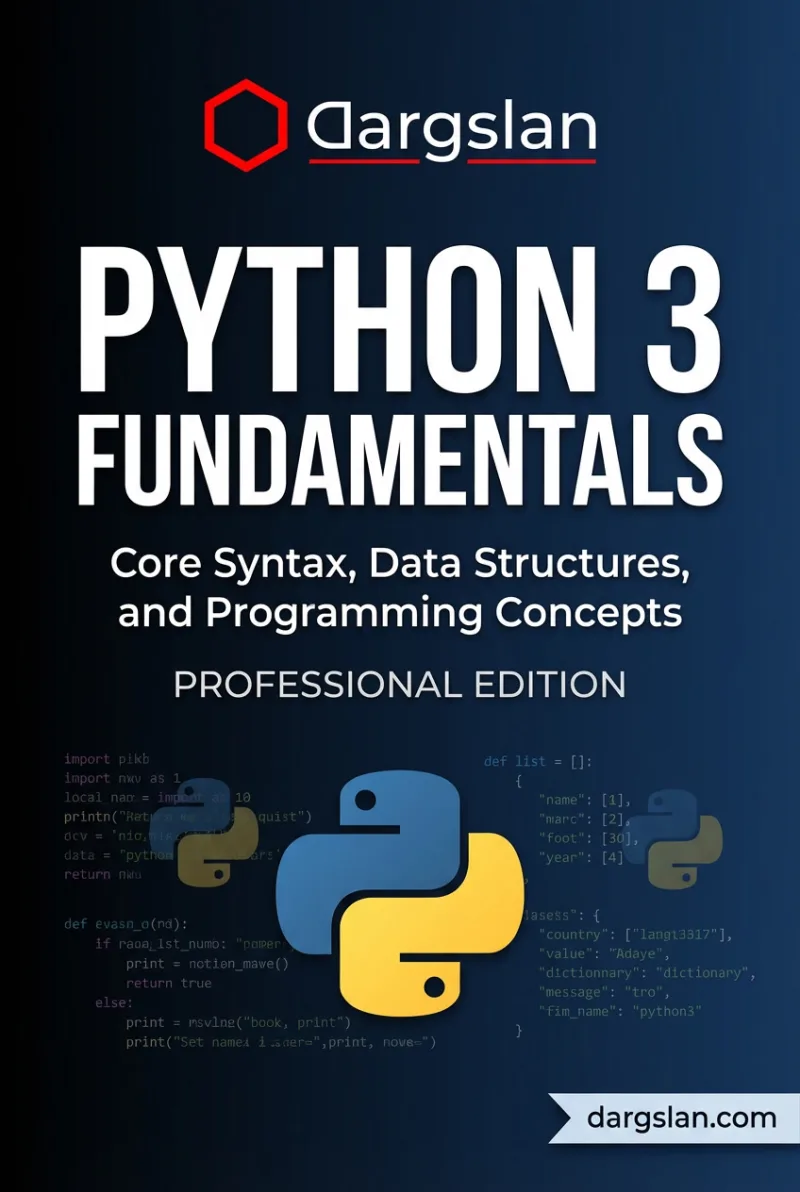
- Python 3 Fundamentals — master the core language features and standard library
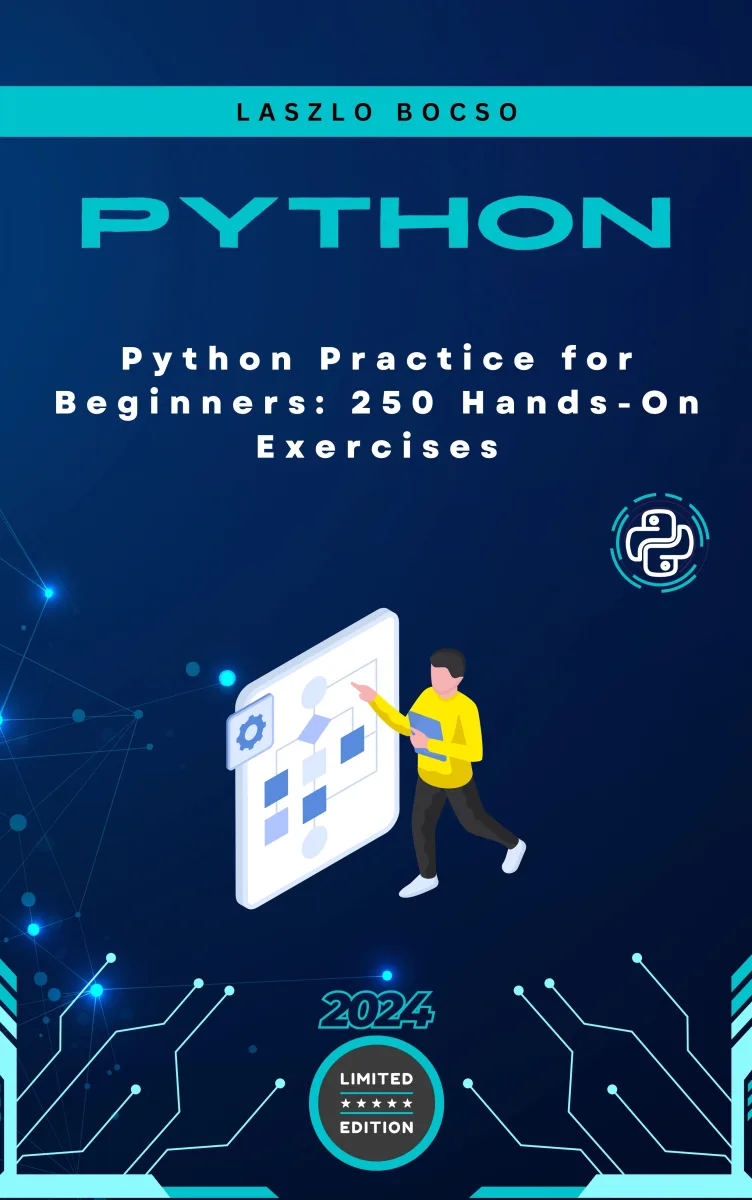
- Python Practice: 250 Hands-On Exercises — learn by doing with guided exercises
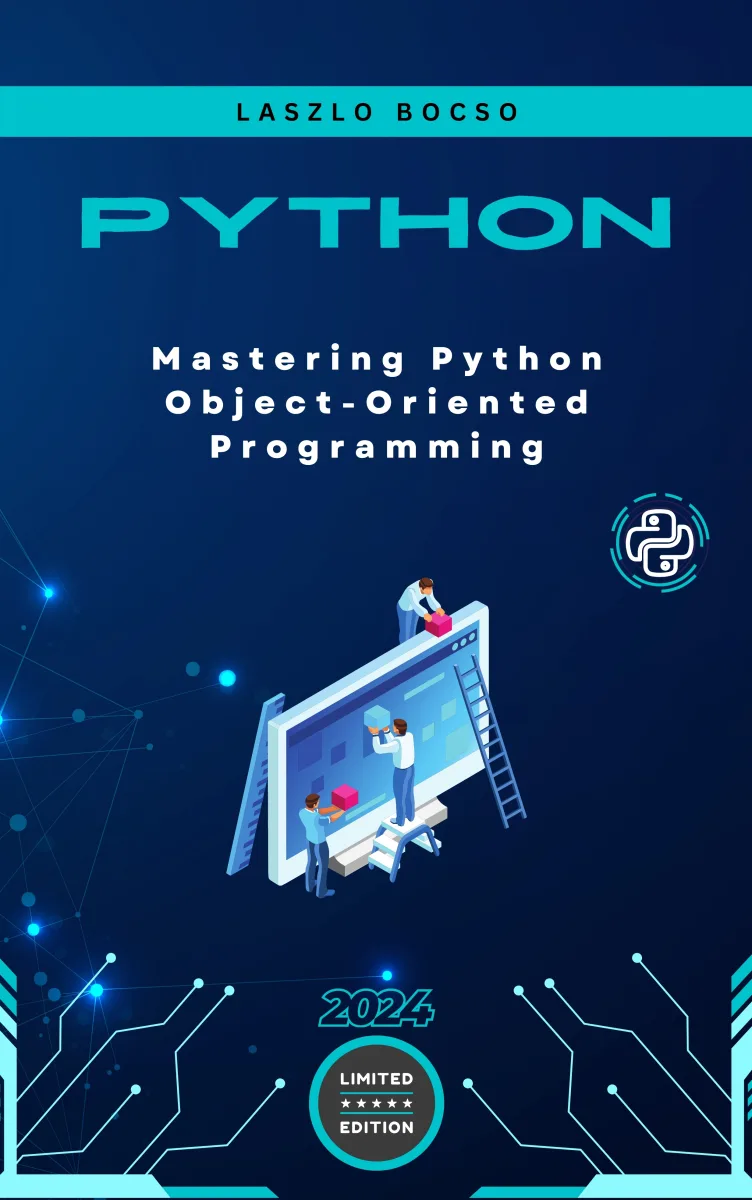
- Mastering Python OOP — level up with object-oriented design patterns