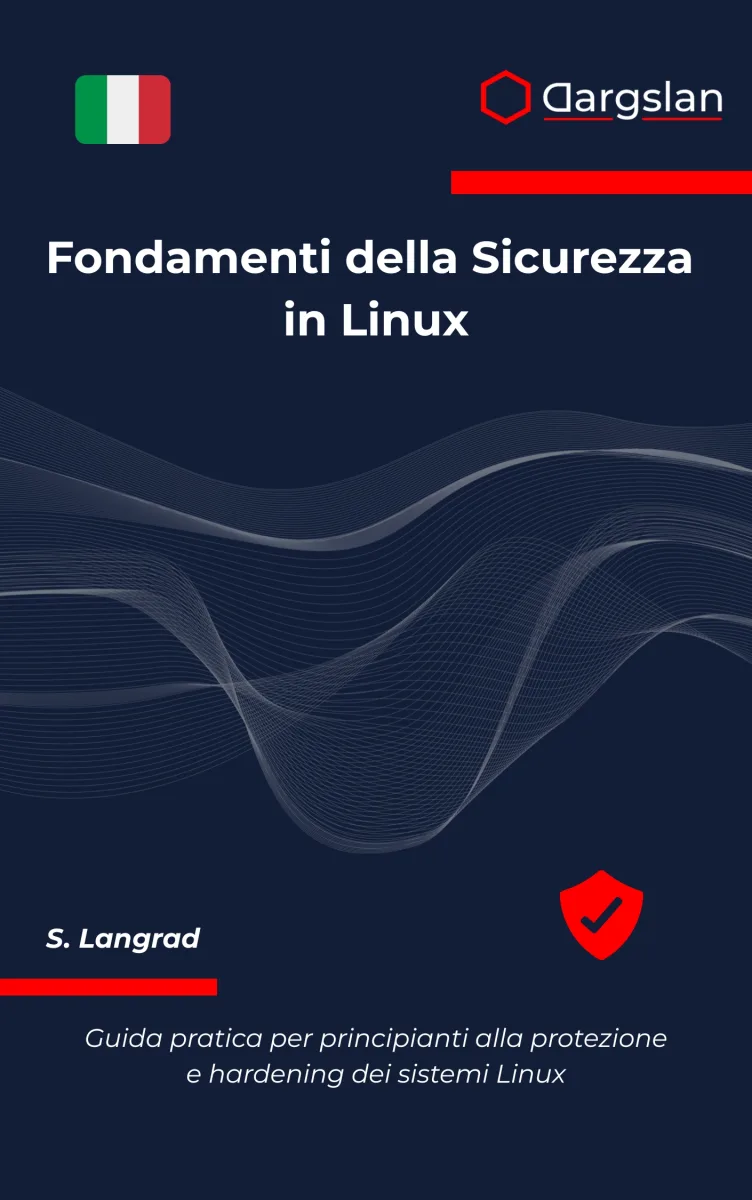
Fondamenti della Sicurezza in Linux
Written in Italian.
What's Included:
At a Glance
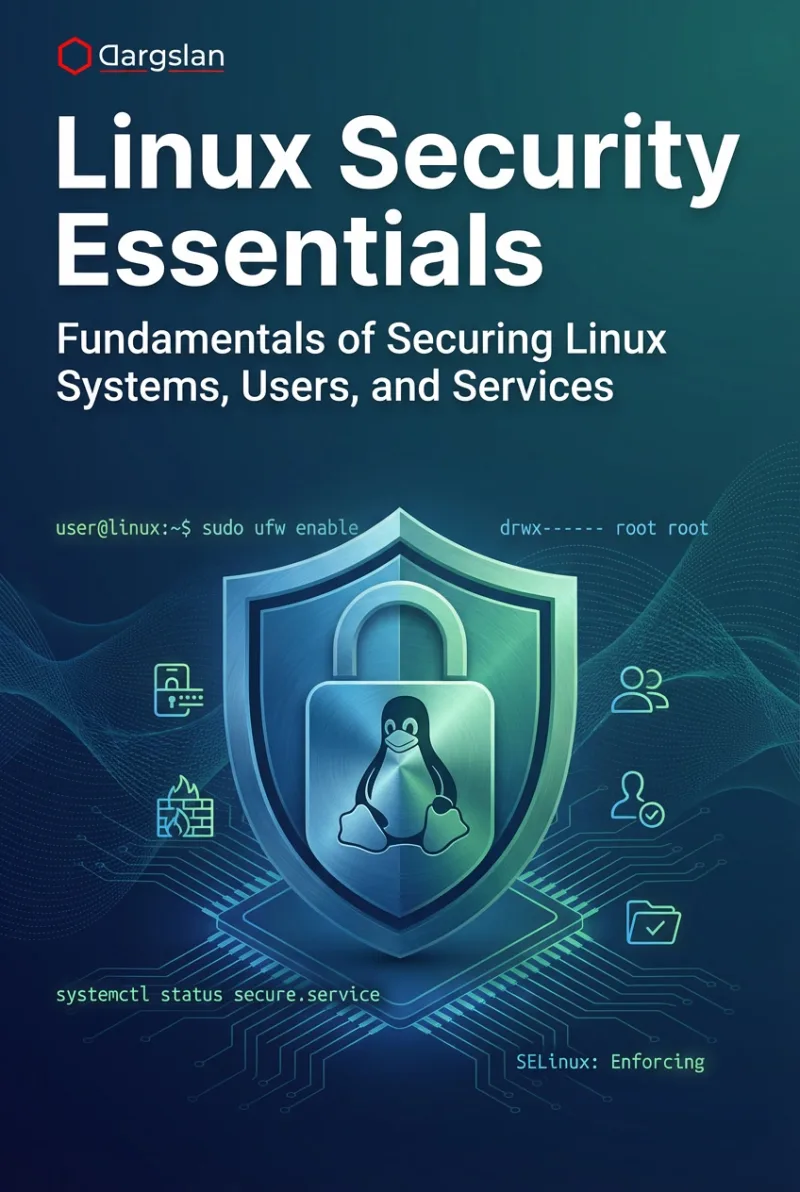
Fondamenti della Sicurezza in Linux is a professional Linux Security eBook by S. Langrad, 248 pages, available as an instant PDF and EPUB download for €10.90 with lifetime access and free updates. Written in Italian.
- Length: 248 pages
- Format: PDF and EPUB (instant download)
- Language: it
- Topic: Linux Security
- Edition: 1st Edition
- Price: €10.90
Key Highlights
- Linux security fundamentals explained clearly
- User and password security
- Filesystem protection and permissions
- Network security and firewall configuration
- Linux system hardening techniques
- Security updates and patch management
- Malware detection and system integrity
- Linux security modules overview
- Practical security checklists
- Hands-on projects and exercises
Overview
Learn Linux security fundamentals. Protect systems, users, networks, and services with practical hardening techniques designed for beginners.
The Problem
Linux system security is often misunderstood or implemented without a solid foundation.
Common challenges include:
- Insecure user and password management
- Incorrect filesystem permissions
- Lack of network and service protection
- No structured hardening strategy
- Difficulty identifying vulnerabilities
Without proper knowledge, Linux systems can become vulnerable and difficult to secure.
The Solution
Linux Security Fundamentals provides a clear and structured approach to securing Linux environments.
This book teaches you how to:
- Understand core security principles
- Manage users, passwords, and permissions securely
- Protect filesystems and sensitive data
- Configure network security and firewalls
- Implement effective system hardening
- Apply real-world checklists and best practices
With practical examples and hands-on exercises, you will gain skills you can apply immediately.
About This Book
Linux Security Fundamentals is a practical guide designed to help you understand and apply the core principles of securing Linux systems.
In today’s digital world, securing Linux environments is critical for maintaining stability, reliability, and data protection. This book provides a structured, step-by-step approach to learning essential Linux security concepts and applying them in real-world scenarios.
Understand the Foundations of Linux Security
Start by learning the core principles of cybersecurity as applied to Linux. Understand how threats work and how to prevent them through proper system configuration.
Protect Systems and Users
Learn how to securely manage users, passwords, and permissions while protecting your filesystem and sensitive data.
- Secure user management
- Permission control
- Data protection strategies
Secure Networks and Services
Discover how to configure network security, protect services, and implement firewalls and defensive mechanisms.
Apply Hardening and Best Practices
This book includes practical checklists, real-world examples, and hands-on projects to help you secure Linux systems effectively.
By the end of this book, you will be able to configure and maintain secure Linux systems with confidence—even as a beginner.
Who Is This Book For?
- Beginners learning Linux security
- Junior system administrators
- IT students and cybersecurity learners
- Linux users who want to secure their systems
- IT professionals strengthening security fundamentals
Who Is This Book NOT For?
- Advanced cybersecurity experts
- Professional penetration testers
- Users with no basic Linux knowledge
- Professionals focused only on non-Linux systems
Table of Contents
- Fundamentals of Security
- User and Password Security
- Filesystem Protection
- Network Security
- Securing Services
- Security Updates and Patch Management
- Malware Analysis and System Integrity
- Linux Security Modules
- Security Checklist
- Practical Projects
- Appendices and References
Requirements
- Basic knowledge of Linux
- Access to a Linux system for practice
- Interest in cybersecurity
- Willingness to experiment with configurations