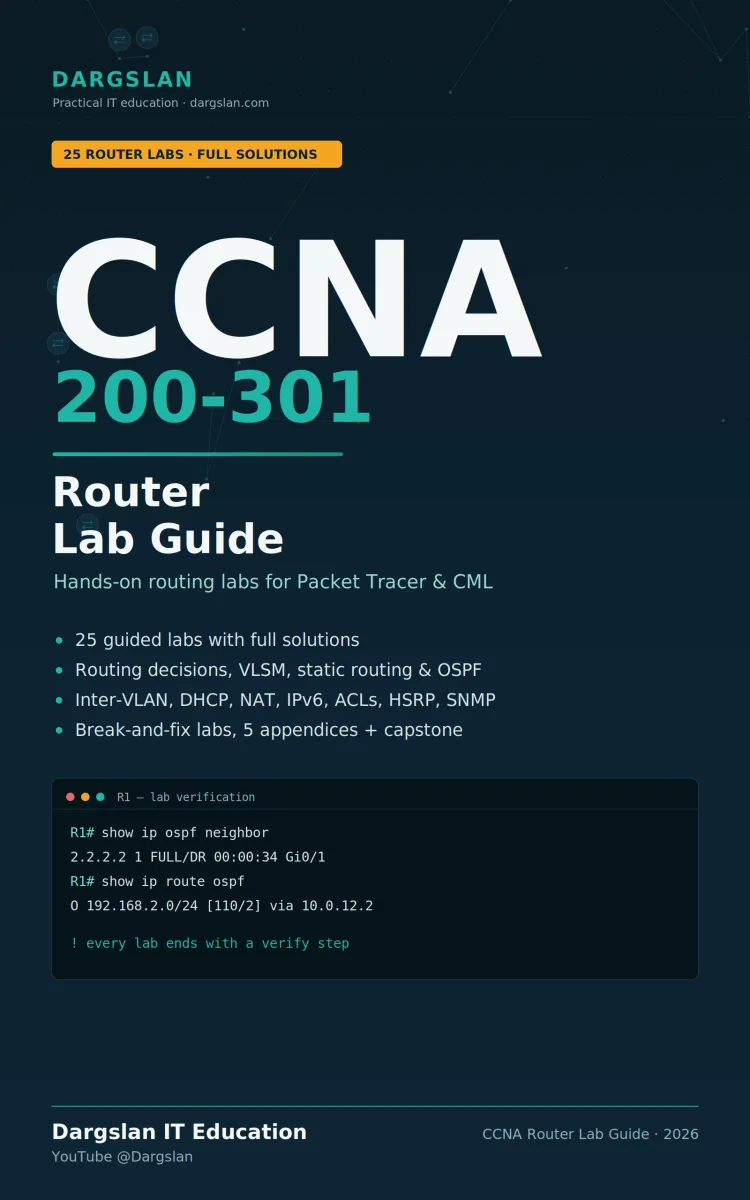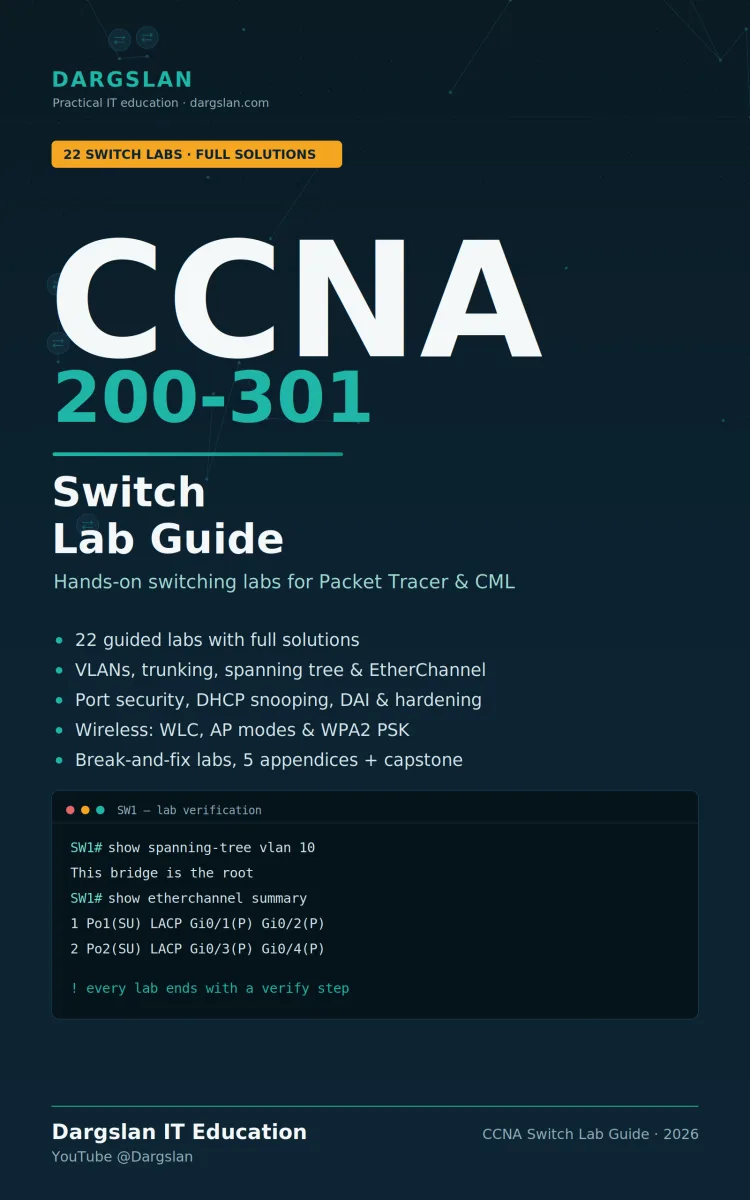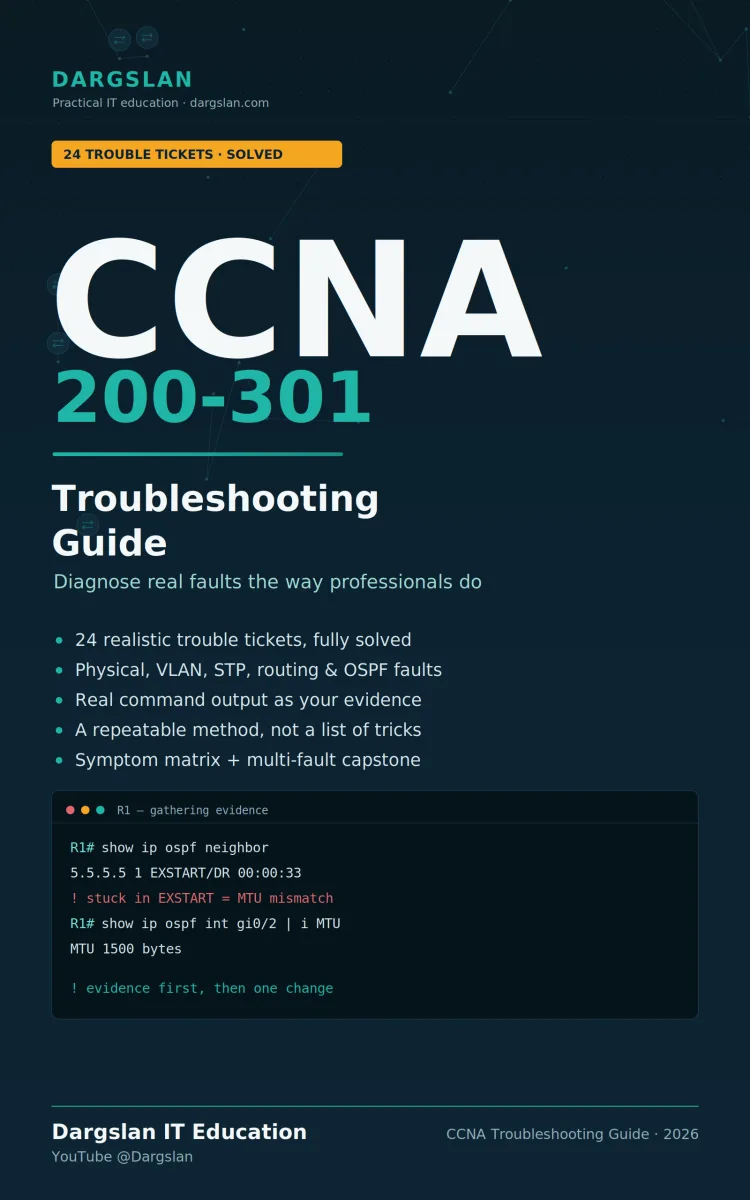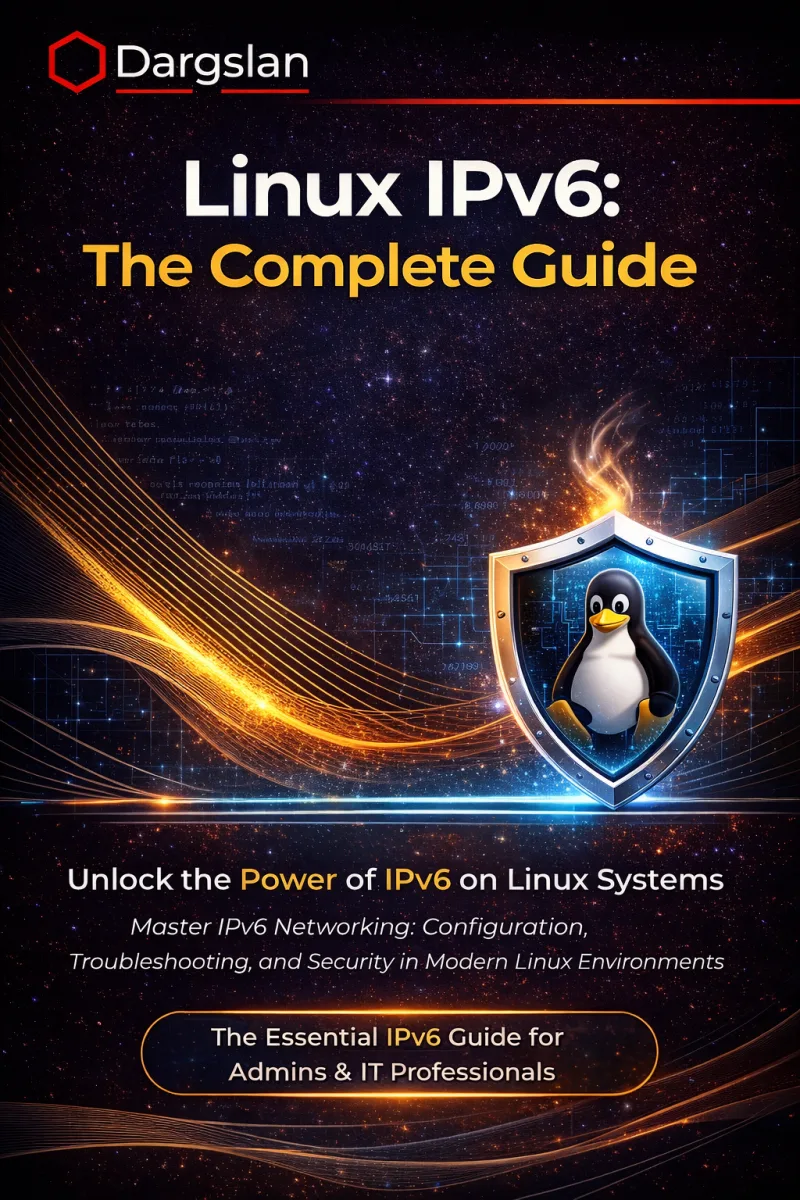
Linux IPv6: The Complete Guide
Understanding, Configuring, and Troubleshooting IPv6 Networking in Modern Linux Systems
What's Included:
At a Glance
Linux IPv6: The Complete Guide is a professional Linux Networking eBook by Ethan Marshall, 424 pages, available as an instant PDF and EPUB download for €29.90 with lifetime access and free updates. Understanding, Configuring, and Troubleshooting IPv6 Networking in Modern Linux Systems.
- Length: 424 pages
- Format: PDF and EPUB (instant download)
- Language: English
- Topic: Linux Networking
- Edition: 1st Edition
- Price: €29.90
Key Highlights
- Linux-focused IPv6 configuration
- Hands-on command-line examples
- Real-world dual-stack deployments
- IPv6 security and firewalling
- Troubleshooting workflows and diagnostics
Overview
Master IPv6 networking on Linux. Learn addressing, routing, DNS, security, dual-stack setups, and troubleshooting with real Linux commands and configurations.
The Problem
Many Linux administrators struggle with IPv6 because most resources focus on theory instead of real Linux configuration and troubleshooting.
The Solution
This book provides a complete, Linux-specific guide to IPv6, combining theory with hands-on configuration, diagnostics, and real-world scenarios.
About This Book
Master IPv6 Networking on Linux
Linux IPv6: The Complete Guide is a practical, Linux-focused deep dive into modern IPv6 networking. As IPv4 address exhaustion accelerates and cloud-native infrastructure becomes the norm, IPv6 is no longer optional—it is essential for modern network professionals.
Linux systems are leading the IPv6 transition, and understanding IPv6 in Linux environments is now a critical skill for system administrators, network engineers, and DevOps professionals.
What You Will Learn
- IPv6 addressing fundamentals: structure, scopes, and prefix design
- Differences between IPv4 and IPv6 networking
- Manual IPv6 configuration on Linux systems
- Stateless address autoconfiguration (SLAAC)
- DHCPv6 configuration and stateful addressing
- IPv6 routing with the modern ip command
- DNS integration: AAAA records and hostname resolution
- Dual-stack IPv4/IPv6 deployments
- Configuring web servers, SSH, and services for IPv6
- IPv6 firewalling with ip6tables and nftables
- Security hardening and IPv6-specific threats
- Troubleshooting with ping6, traceroute6, and tcpdump
- IPv6 in containers, virtualization, and cloud platforms
Who Is This Book For?
This book is designed for Linux professionals who need IPv6 skills. It is ideal for:
- Linux system administrators
- Network engineers managing Linux infrastructure
- DevOps engineers working with cloud and containers
- IT professionals preparing for future-proof networking
- Anyone managing dual-stack environments
Why This Book?
All examples use real Linux commands and configuration files that you can apply immediately in production environments.
Prerequisites
Solid Linux command-line experience and basic IPv4 networking knowledge is required.
Author: Ethan Marshall
Who Is This Book For?
- Linux system administrators
- Network engineers working with Linux
- DevOps and cloud engineers
- IT professionals preparing for IPv6 adoption
- Advanced Linux users expanding networking skills
Who Is This Book NOT For?
- Absolute beginners with no networking knowledge
- Readers looking for vendor-specific IPv6 training only
- Pure theory-focused networking books
Table of Contents
- Introduction to IPv6
- IPv6 Address Types and Scope
- Subnetting and Prefix Lengths in IPv6
- Assigning IPv6 Addresses Manually
- Stateless and Stateful Configuration
- Hostname Resolution and DNS for IPv6
- Working with IPv6 Routes
- Useful IPv6 Tools and Commands
- Dual Stack Networking
- Web Servers with IPv6
- SSH and Remote Access over IPv6
- DNS and DHCPv6 Server Configuration
- Introduction to IPv6 Firewalling
- Securing IPv6 Services
- Diagnosing IPv6 Issues
- Monitoring IPv6 Traffic
- Performance and Optimization
- IPv6 with VPNs and Tunnels
- IPv6 in Containers and Virtualization
- IPv6 with Cloud Providers
Requirements
- Basic Linux command-line knowledge
- General networking fundamentals
- No prior IPv6 experience required