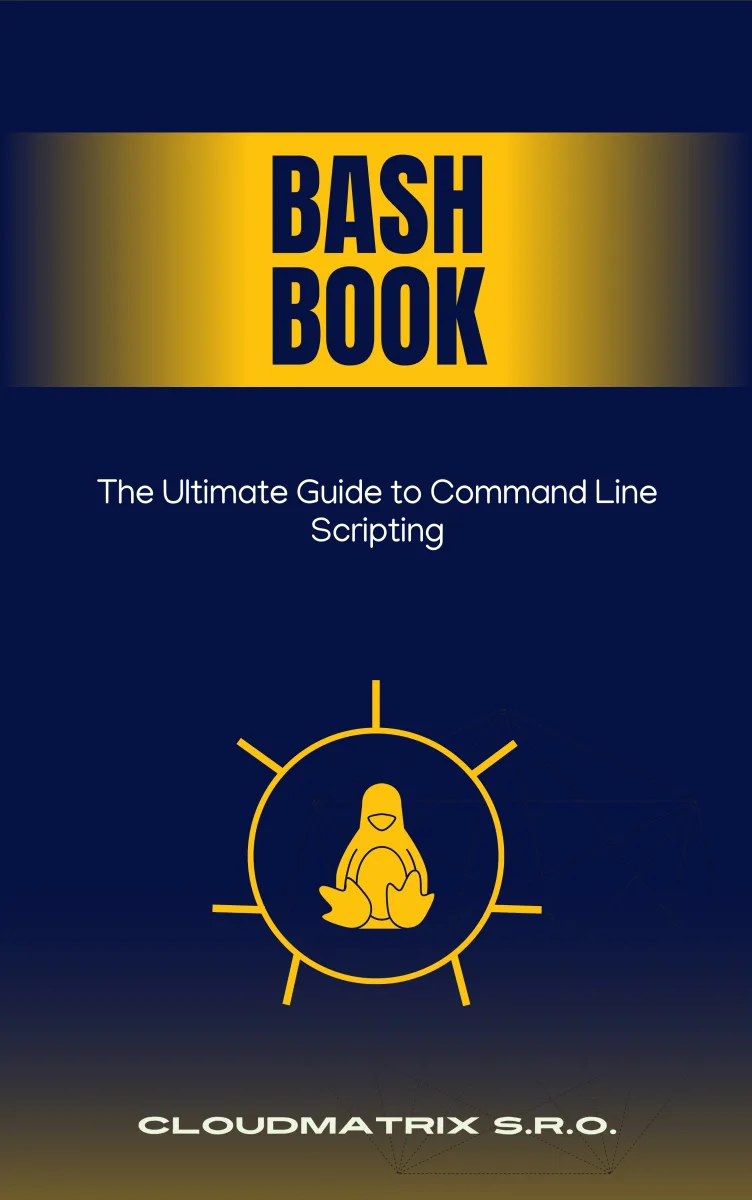
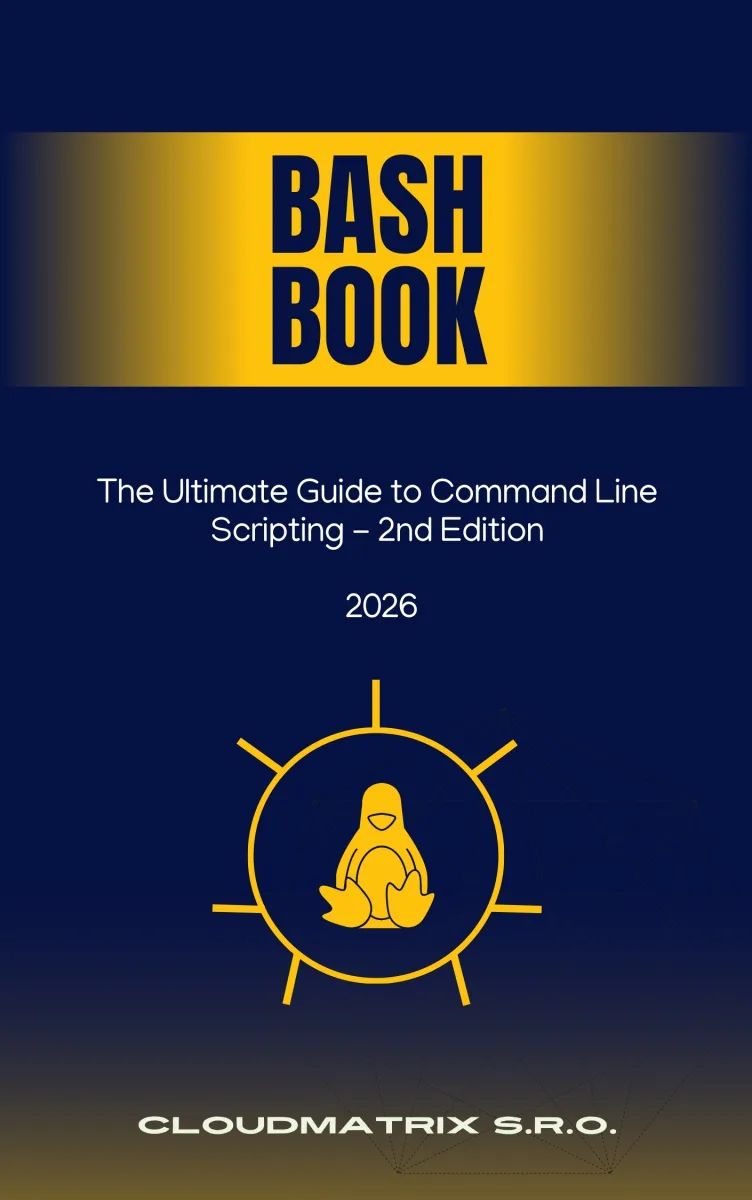
When we released the Bash Book: 2nd Edition in February 2026, the most common question from our readers was immediate and understandable: "I already have the first edition — do I need the new one? And if I am buying for the first time, which should I choose?"
This article answers both questions with a thorough, honest comparison. We will walk through what each edition covers, what changed in the revision, what is entirely new in the 2nd Edition, and give you clear recommendations based on your experience level and goals.
The Two Editions at a Glance
| Feature | Bash Book (1st Edition) | Bash Book: 2nd Edition |
|---|---|---|
| Publication Date | September 2024 | February 2026 |
| Pages | 452 pages | 352 pages |
| Price | €9.90 €22.90 | €9.90 €18.90 |
| Focus | Comprehensive fundamentals + system administration | Modern production workflows + DevOps + AI-assisted scripting |
| Target Reader | Beginners to intermediate | Intermediate to advanced, DevOps engineers |
| Cloud & Containers | Basic coverage | Dedicated chapters on Docker, CI/CD, cloud scripting |
| AI Integration | Not covered | AI-assisted scripting workflows |
| Security | Basic secure scripting practices | Comprehensive security chapter with modern threat landscape |
What the 1st Edition Does Best
The original Bash Book remains an outstanding resource, especially for readers who are newer to the command line. At 452 pages, it takes the time to explain concepts thoroughly and patiently.
Strengths of the 1st Edition
- Beginner-friendly pace: Every concept is introduced gradually with extensive explanations. If you have never opened a terminal, this book meets you where you are
- Comprehensive fundamentals: In-depth coverage of variables, loops, conditionals, functions, and file I/O — with more examples than the 2nd edition
- System administration focus: Detailed chapters on managing Linux systems through Bash — user management, disk operations, process monitoring, and log analysis
- Text processing deep dive: Thorough treatment of grep, sed, awk, and regular expressions with progressive difficulty
- Networking chapter: Practical Bash scripts for network diagnostics, monitoring, and automation
- 100 extra pages: More space means more examples, more exercises, and more detailed walkthroughs
The 1st Edition's approach is methodical and reassuring. It assumes nothing and builds everything from the ground up. For a reader transitioning from GUI-based computing to the command line, this patience is invaluable.
What the 2nd Edition Brings New
The Bash Book: 2nd Edition is not simply an update — it is a reimagining. While the fundamentals remain solid, the 2nd Edition shifts focus from "learning Bash" to "using Bash professionally in modern infrastructure."
Entirely New Content in the 2nd Edition
- AI-Assisted Scripting: How to use AI tools (GitHub Copilot, ChatGPT, Claude) to accelerate your Bash scripting workflow. Prompt patterns for generating, debugging, and optimizing shell scripts. This chapter alone makes the 2nd Edition relevant in ways the 1st edition cannot be
- Container-Era Bash: Writing Bash scripts for Docker environments — entrypoint scripts, health checks, container initialization, and multi-stage build scripts
- CI/CD Pipeline Scripting: Building robust automation scripts for GitHub Actions, GitLab CI, and Jenkins. Proper exit codes, artifact handling, and deployment scripts
- Cloud Shell Scripting: AWS CLI, Azure CLI, and GCP gcloud scripting patterns — managing cloud resources from the command line
- Modern Security Practices: Updated threat landscape including supply chain attacks, script injection prevention, and secure secret handling with tools like Mozilla SOPS and HashiCorp Vault
- Observability and Logging: Structured logging from Bash scripts, integration with centralized logging systems, and monitoring script execution
- Portability Best Practices: Writing scripts that work across different Linux distributions, macOS, and WSL — the POSIX compliance discussion that modern teams need
What Was Updated
- All code examples reviewed for modern Bash best practices (ShellCheck-compliant)
- Error handling patterns updated with
set -euo pipefailas the default, trap-based cleanup, and structured error reporting - Performance section revised with benchmarks comparing Bash vs. Python vs. compiled alternatives for common tasks
- Testing chapter expanded to cover Bats (Bash Automated Testing System) and automated script validation
What Was Trimmed
The 2nd Edition is 100 pages shorter because some content was condensed or removed:
- The very basic terminal introduction was shortened (most readers now have some CLI exposure)
- Some repetitive examples were consolidated
- The extended networking chapter was streamlined (modern networking is increasingly done via cloud APIs)
- Some sysadmin-specific content moved to assume familiarity rather than teach from scratch
Side-by-Side Content Comparison
| Topic Area | 1st Edition | 2nd Edition |
|---|---|---|
| Terminal & CLI Basics | ★★★★★ | ★★★ |
| Variables, Loops & Functions | ★★★★★ | ★★★★ |
| Text Processing (grep/sed/awk) | ★★★★★ | ★★★★ |
| Error Handling & Debugging | ★★★ | ★★★★★ |
| Security & Safe Scripting | ★★★ | ★★★★★ |
| System Administration | ★★★★★ | ★★★ |
| Docker & Containers | — | ★★★★★ |
| CI/CD Pipelines | — | ★★★★★ |
| Cloud Scripting (AWS/Azure/GCP) | — | ★★★★ |
| AI-Assisted Scripting | — | ★★★★ |
| Testing & Quality | ★★ | ★★★★★ |
| Networking | ★★★★ | ★★★ |
Who Should Buy Which Edition?
Buy the 1st Edition If You Are:
- New to the command line — you need the thorough, patient introduction
- A system administrator focused on managing Linux servers without heavy cloud/container use
- Someone who prefers comprehensive coverage — you want every detail explained, even if it takes 452 pages
- Learning text processing — the grep/sed/awk chapters are more detailed
- On a budget — both are €9.90, but the 1st Edition gives you more pages per euro
Buy the 2nd Edition If You Are:
- A DevOps engineer or SRE — the CI/CD, container, and cloud chapters are essential for your work
- Already comfortable with CLI basics — you want to level up to production-grade scripting
- Working with Docker/Kubernetes — you need to write reliable container scripts
- Interested in AI-assisted development — the AI integration chapter is unique to this edition
- Writing scripts for teams — the testing, security, and portability chapters help you write code others can trust
- Looking for current best practices — all patterns reflect 2026 standards and tooling
Buy Both If You Are:
- Building a comprehensive Bash reference library — the two editions complement each other well
- A team lead buying for your team — give the 1st Edition to beginners and the 2nd to experienced engineers
- Serious about mastering Bash — at €9.90 each, both editions together cost less than a single lunch
Our Honest Recommendation
If you can only buy one:
- Complete beginner? Start with the 1st Edition. Its patient, thorough approach will serve you better at this stage.
- Already use Bash daily? Get the 2nd Edition. The modern infrastructure focus will immediately improve your professional work.
- Not sure? Get both for €19.80 total. The overlap is minimal enough that each book adds unique value, and together they cover the complete Bash learning journey from absolute beginner to production expert.
Both editions share the same philosophy: Bash is a tool that rewards deep understanding. Whether you start with fundamentals or jump into modern workflows, investing time in Bash mastery will pay dividends for your entire career.
Explore More Scripting Resources
Complement your Bash learning with these related resources:
- Linux Command Line Mastery — take your CLI skills to the next level
- Introduction to Linux Shell Scripting — another perspective on shell fundamentals
- Bash Mastery 2026 — advanced Bash patterns for production use
- Bash Scripting Mastery: The Complete Guide for 2026 — our comprehensive Bash tutorial article
- Zsh in 2026: Why Developers Are Switching — explore Bash's modern alternative
The GNU Bash Manual and Greg's Bash Guide (Wooledge Wiki) are excellent free companions to either edition.