Network engineering is one of the most in-demand IT careers in 2026, with an average salary of $85,000–$120,000 in the US and €55,000–€85,000 in Europe. Every company needs someone who understands how data flows — and that person could be you.
Whether you're switching careers or starting fresh, this guide covers everything you need to know about becoming a network engineer.
What Does a Network Engineer Actually Do?
A network engineer designs, implements, and maintains the computer networks that keep organizations running. Your daily tasks might include:
- Designing network architectures — LAN, WAN, SD-WAN, and cloud networks
- Configuring routers and switches — Cisco, Juniper, Arista, MikroTik
- Troubleshooting connectivity issues — using Wireshark, traceroute, and packet analysis
- Implementing network security — firewalls, VPNs, ACLs, IDS/IPS systems
- Monitoring performance — bandwidth, latency, packet loss, uptime SLAs
- Planning capacity — ensuring the network scales with business growth
- Documenting everything — network diagrams, IP schemas, change logs
Network Engineer vs. Network Administrator
Many people confuse these roles. Here's the key difference:
- Network Administrator — maintains existing networks, handles day-to-day operations, monitors alerts
- Network Engineer — designs and builds networks, plans architecture, implements new solutions
Think of it this way: the administrator keeps the lights on, while the engineer designs the power grid.
Essential Skills for 2026
1. TCP/IP and OSI Model (Mandatory)
You must understand the 7-layer OSI model and TCP/IP stack inside and out. This isn't optional — it's the foundation of everything you'll do. Subnetting, routing protocols (OSPF, BGP, EIGRP), and DNS/DHCP are daily tools.
2. Routing & Switching
Master VLANs, STP, LACP, static/dynamic routing, and inter-VLAN routing. Start with Cisco IOS or Junos — most enterprise networks still run on these platforms.
3. Network Security
Firewalls (pfSense, Fortinet, Palo Alto), VPN technologies (IPSec, WireGuard, OpenVPN), and zero-trust architecture are essential. Every network engineer needs security awareness.
4. Cloud Networking
AWS VPC, Azure Virtual Networks, and GCP networking are increasingly important. Hybrid cloud architectures are the norm in 2026 — you must bridge on-prem and cloud.
5. Automation & Scripting
Network automation with Ansible, Python (Netmiko, Napalm), and Terraform is no longer optional. Manual CLI configuration doesn't scale. Learn to automate or be left behind.
6. Linux Fundamentals
Most network appliances run Linux under the hood. Understanding Linux networking (iptables, ip route, tcpdump, systemd-networkd) gives you a massive advantage.
Certification Roadmap
Here's the recommended certification path:
Entry Level (0-1 year)
- CompTIA Network+ — vendor-neutral networking fundamentals
- Cisco CCNA — the gold standard entry-level cert
Mid Level (1-3 years)
- Cisco CCNP Enterprise — advanced routing, switching, and wireless
- Juniper JNCIA/JNCIS — if your org uses Juniper
- AWS Certified Advanced Networking — for cloud-focused roles
Senior Level (3-5+ years)
- Cisco CCIE — the most prestigious networking certification
- CISSP — if moving toward network security architecture
Salary Expectations in 2026
| Level | US Salary | EU Salary | Experience |
|---|---|---|---|
| Junior | $55,000–$75,000 | €35,000–€50,000 | 0-2 years |
| Mid-Level | $75,000–$100,000 | €50,000–€70,000 | 2-5 years |
| Senior | $100,000–$140,000 | €70,000–€95,000 | 5-8 years |
| Principal/Architect | $140,000–$180,000+ | €90,000–€130,000 | 8+ years |
How to Get Your First Network Engineering Job
- Build a home lab — Use GNS3 or EVE-NG to simulate enterprise networks
- Get certified — CCNA opens more doors than any other single certification
- Learn Linux — It's everywhere in networking
- Practice with real equipment — Buy used Cisco switches on eBay
- Contribute to open-source — Projects like OpenWrt, pfSense, FRRouting
- Start with helpdesk/NOC — Many network engineers started in Network Operations Centers
Recommended Books to Fast-Track Your Career
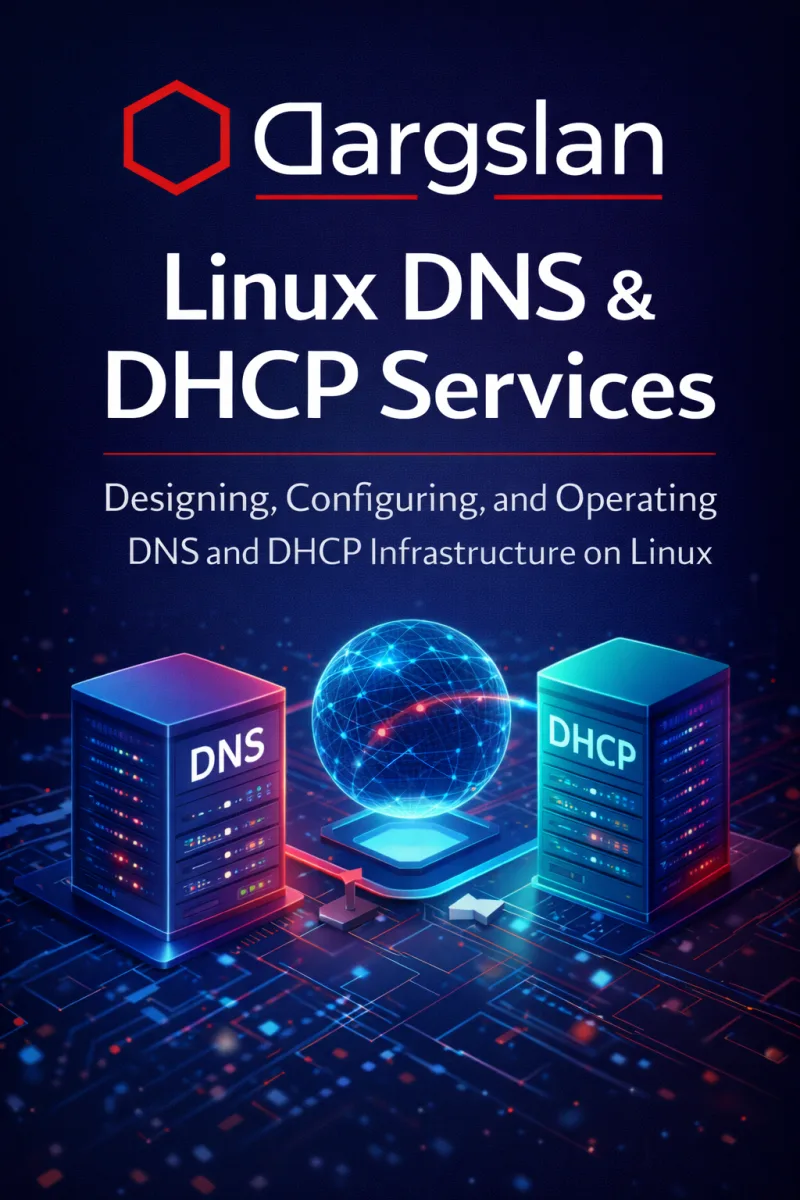
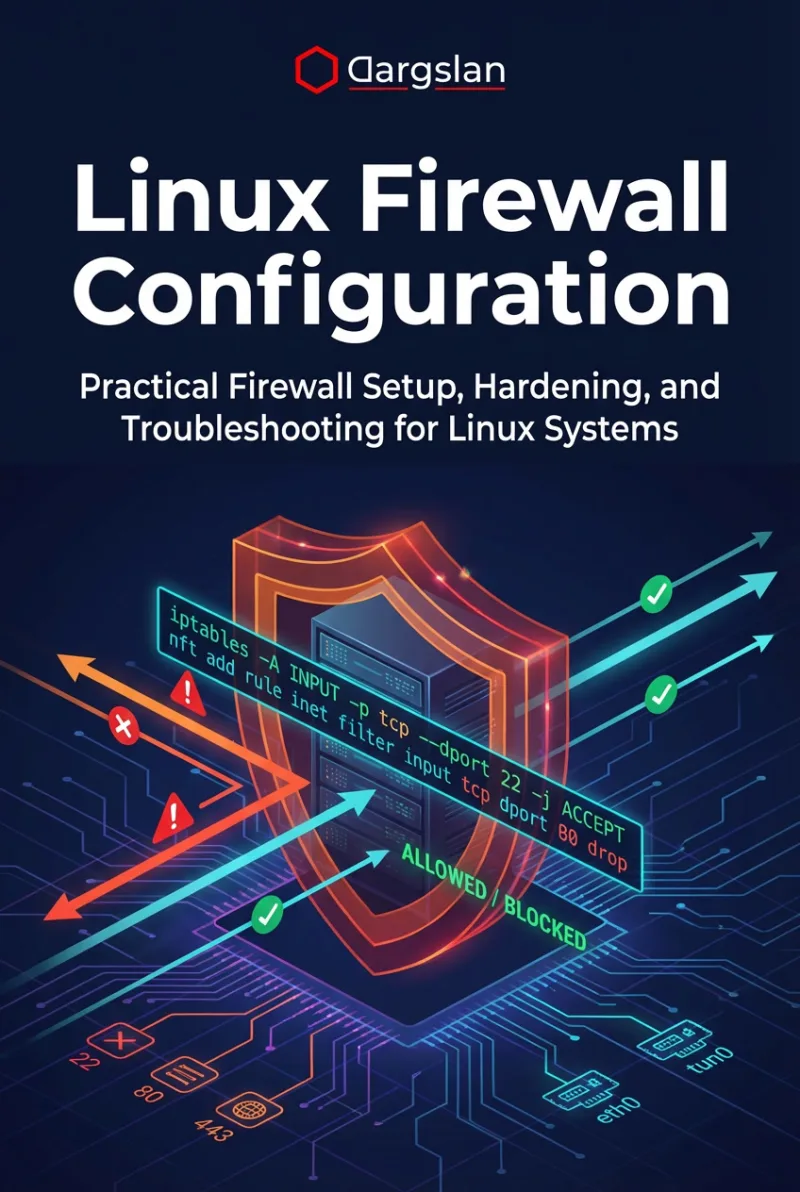
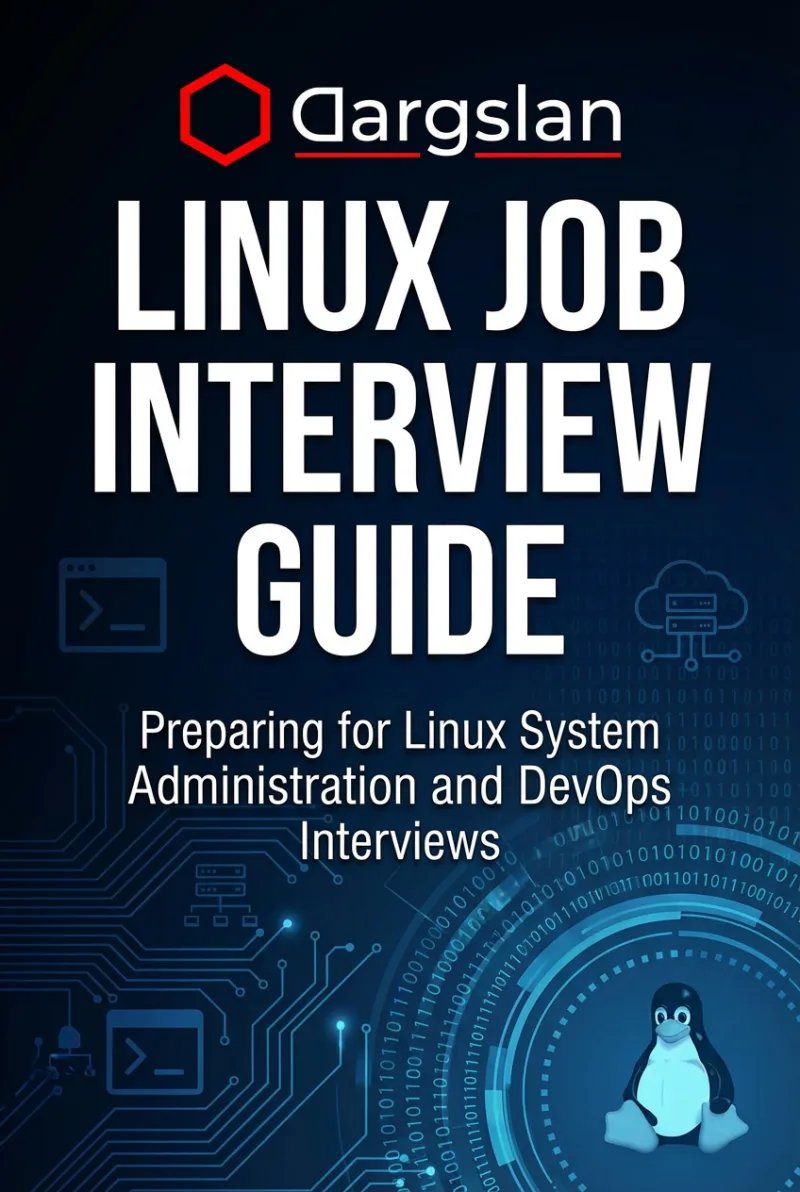
The right books can save you months of trial and error. These are our top picks for aspiring network engineers:
Day in the Life of a Network Engineer
8:00 AM — Check monitoring dashboards (Nagios, PRTG, LibreNMS) for overnight alerts
9:00 AM — Review change requests and plan network modifications
10:00 AM — Implement VLAN changes for a new office floor
11:00 AM — Troubleshoot VPN connectivity issues for remote workers
1:00 PM — Design a network diagram for a new branch office
2:00 PM — Write Ansible playbooks to automate switch configuration
3:00 PM — Security review: update firewall rules, review IDS logs
4:00 PM — Documentation and knowledge base updates
Is Network Engineering a Good Career in 2026?
Absolutely yes. Despite cloud adoption, networks are more complex than ever. Hybrid cloud, SD-WAN, 5G, IoT, and zero-trust security all need skilled network engineers. The Bureau of Labor Statistics projects 6% growth through 2032 — and the actual demand for cloud-networking hybrid skills is even higher.
The key is to evolve with the field: learn automation, embrace cloud networking, and never stop studying.
Frequently Asked Questions
Do I need a degree to become a network engineer?
No. While a CS or IT degree helps, many successful network engineers are self-taught with certifications. A CCNA + practical experience often outweighs a degree alone.
How long does it take to become a network engineer?
With focused study, you can land a junior network role in 6-12 months. Allow 2-3 years to reach a mid-level position.
Is CCNA still worth it in 2026?
Yes. CCNA remains the most recognized entry-level networking certification globally. It covers modern topics including automation and cloud fundamentals.
What programming language should a network engineer learn?
Python is the top choice. Libraries like Netmiko, Napalm, and Nornir are specifically designed for network automation. Bash scripting is a close second for Linux-based network devices.