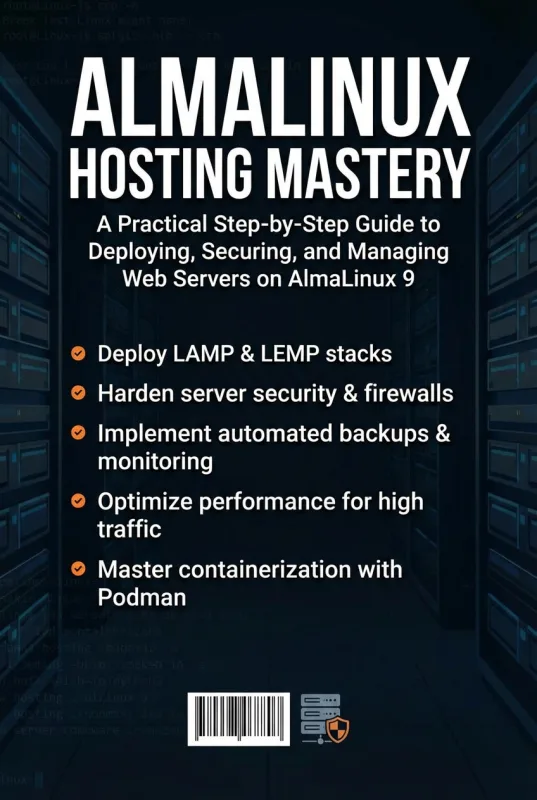
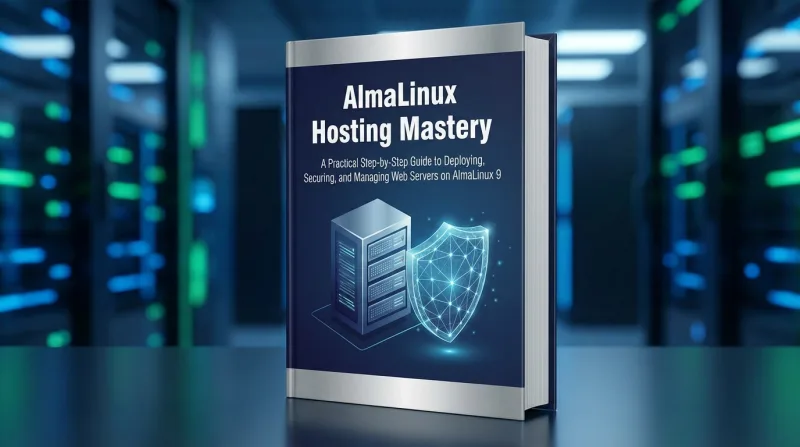
AlmaLinux Hosting Mastery
A Practical Step-by-Step Guide to Deploying, Securing, and Managing Web Servers on AlmaLinux 9
What's Included:
At a Glance
AlmaLinux Hosting Mastery is a professional RHEL / AlmaLinux eBook by Miles Everhart, 378 pages, available as an instant PDF and EPUB download for €12.90 with lifetime access and free updates. A Practical Step-by-Step Guide to Deploying, Securing, and Managing Web Servers on AlmaLinux 9.
- Length: 378 pages
- Format: PDF and EPUB (instant download)
- Language: English
- Topic: RHEL / AlmaLinux
- Edition: 1st Edition
- Price: €12.90
Key Highlights
- Production-ready AlmaLinux 9 hosting setup
- Apache and NGINX configuration best practices
- Secure PHP and MariaDB deployment
- Let's Encrypt SSL implementation
- Server hardening and firewall configuration
- Performance tuning and monitoring strategies
- Backup automation and disaster recovery planning
Overview
Deploy, secure, and scale professional web hosting servers on AlmaLinux 9. Apache, NGINX, MariaDB, SSL, hardening, backups, and production best practices.
The Problem
Many administrators deploy web servers quickly without establishing proper security baselines, storage structure, or long-term maintenance planning.
Misconfigured hosting environments lead to downtime, security breaches, poor performance, and difficult recovery during emergencies.
The Solution
This book provides a complete, step-by-step framework for building a secure, production-ready hosting stack on AlmaLinux 9.
From initial server preparation to scaling and disaster recovery, you will learn how to design and operate hosting infrastructure with confidence.
About This Book
AlmaLinux Hosting Mastery is a comprehensive, step-by-step guide to deploying, securing, and managing modern web hosting infrastructure on AlmaLinux 9. Whether you are migrating from CentOS, building your first VPS-based hosting server, or designing production infrastructure for clients, this book gives you the blueprint for doing it correctly.
When CentOS shifted direction, many administrators were left searching for a stable, enterprise-grade alternative. AlmaLinux emerged as a reliable, RHEL-compatible solution backed by a strong community and long-term support guarantees. But selecting AlmaLinux is only the first step. The real challenge lies in building a secure, scalable, and maintainable hosting stack on top of it.
This book walks you through that journey from the ground up.
You begin by understanding why AlmaLinux 9 is an ideal hosting platform. You will explore its package management system, SELinux integration, lifecycle guarantees, and ecosystem compatibility. Rather than treating AlmaLinux as "just another Linux distribution," this book explains how its design philosophy impacts hosting architecture decisions.
From there, you prepare a production-ready server environment. You will learn how to perform system updates safely, configure firewalls with firewalld, manage users and permissions properly, and harden SSH access against brute-force attacks. These early chapters establish the security baseline that every professional hosting server must have.
The heart of the book focuses on the core hosting stack:
- Installing and configuring Apache on AlmaLinux 9
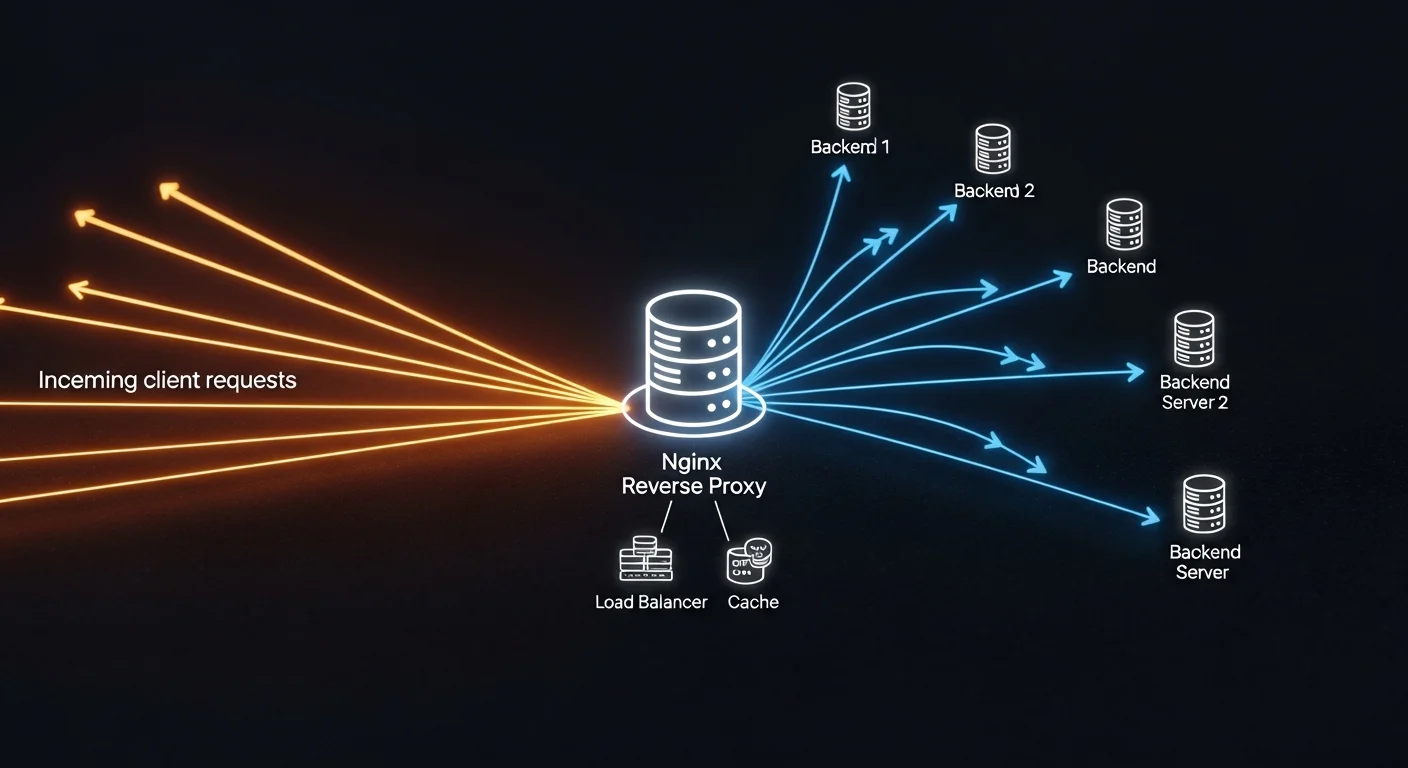
- Installing and configuring NGINX as a web server and reverse proxy
- Deploying PHP with secure configuration practices
- Installing and securing MariaDB databases
- Hosting multiple websites on a single AlmaLinux server
You will not only learn how to install these components, but how to configure them correctly for performance, security, and maintainability. Topics include virtual hosts, server blocks, PHP-FPM optimization, database user permissions, file ownership strategies, and proper directory structures.
The book then addresses the elements that separate basic hosting setups from production-grade environments. You will configure DNS properly, deploy SSL certificates using Let's Encrypt, enforce HTTPS redirection, and implement hosting-specific file permission strategies that balance usability with security.
Security receives comprehensive coverage. You will explore SELinux considerations, firewall rule design, brute-force mitigation strategies, service isolation, and practical hardening checklists. Hosting infrastructure is a frequent attack target, and this book ensures you are not operating with default configurations alone.
Operational excellence is the final focus. You will learn how to monitor server performance, analyze logs effectively, tune services for efficiency, and implement backup strategies that actually work under real disaster scenarios. Backup automation scripts and recovery testing procedures are included to ensure that your data protection strategy is not theoretical.
The final chapter looks forward—scaling strategies, long-term maintenance planning, and how to evolve from managing a single AlmaLinux hosting server to operating structured hosting infrastructure.
This book is written for administrators who value clarity over complexity. Every configuration example is aligned with AlmaLinux 9 defaults and best practices. Every command is explained in context. Every recommendation is grounded in real-world hosting experience.
If you want to deploy hosting infrastructure that is stable, secure, and scalable—without relying on control panels or black-box automation—this book gives you the knowledge and confidence to do it properly.
Who Is This Book For?
- Linux system administrators
- DevOps engineers and hosting providers
- Web developers managing VPS servers
- IT students learning production server deployment
- CentOS administrators migrating to AlmaLinux
Who Is This Book NOT For?
- Complete Linux beginners
- Users seeking GUI-based hosting panels only
- Readers without command-line familiarity
Table of Contents
- Why AlmaLinux 9 for Hosting
- Preparing a Production Server
- System Updates and Base Hardening
- User Management and SSH Security
- Installing and Configuring Apache
- Installing and Configuring NGINX
- PHP on AlmaLinux 9
- Hosting Multiple Websites
- Installing and Securing MariaDB
- File Permissions and Hosting Storage
- Domain Configuration and DNS Basics
- SSL with Let’s Encrypt
- Hardening a Hosting Server
- Monitoring and Performance Optimization
- Backup and Disaster Recovery
- Scaling and Long-Term Hosting Strategy
Requirements
- Basic Linux command-line knowledge
- Access to a VPS or dedicated server for practice
- Understanding of basic networking concepts