Python Barcodes: A Comprehensive Guide to Understanding, Generating, and Decoding
What's Included:
At a Glance
Python Barcodes: A Comprehensive Guide to Understanding, Generating, and Decoding is a professional Python eBook by Laszlo Bocso, 336 pages, available as an instant PDF and EPUB download for €9.90 with lifetime access and free updates. Learn how to generate, customize, and decode 1D and 2D barcodes with Python. Build inventory systems, POS apps, and real-time barcode scanners using practical p...
- Length: 336 pages
- Format: PDF and EPUB (instant download)
- Language: English
- Topic: Python
- Edition: 1st Edition
- Price: €9.90
Key Highlights
- Complete coverage of 1D and 2D barcode systems
- Hands-on Python implementation examples
- Batch automation and database integration
- Real-time scanning with camera integration
- Inventory and POS project walkthroughs
- Performance optimization strategies
- Security and data validation guidance
- Comprehensive reference appendices
Overview
Learn how to generate, customize, and decode 1D and 2D barcodes with Python. Build inventory systems, POS apps, and real-time barcode scanners using practical projects.
The Problem
Developers often treat barcodes as simple image outputs without understanding:
- The differences between 1D and 2D barcode formats
- Industry standards and compliance requirements
- Error correction and encoding rules
- Performance considerations in real-time scanning
- Security and data validation risks
- Integration patterns for real-world applications
This lack of structured knowledge leads to fragile implementations and unreliable systems.
The Solution
Python Barcodes delivers a complete, hands-on roadmap.
- Step-by-step barcode generation tutorials
- Clear explanations of barcode standards
- Practical decoding and scanning workflows
- Real-world application projects
- Performance tuning and troubleshooting guidance
- Advanced customization and automation strategies
You’ll move beyond generating static images and begin designing complete barcode-driven systems.
About This Book
Python Barcodes: A Comprehensive Guide to Understanding, Generating, and Decoding is a practical, project-driven guide to working with barcode technology using Python.
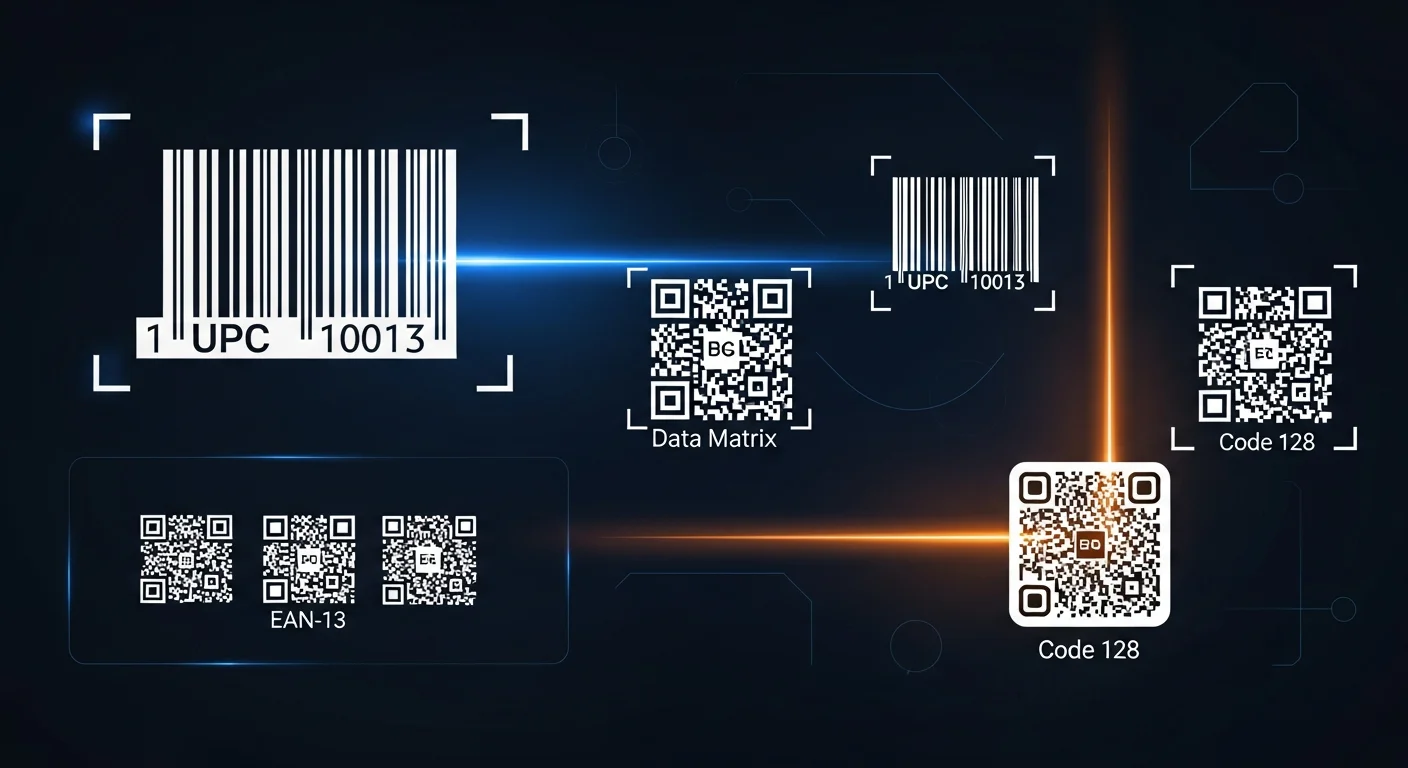
Barcodes power modern commerce, logistics, healthcare, retail, and digital identity systems. From simple UPC labels to complex QR codes containing structured data, barcode systems enable fast, reliable, and automated information exchange. Yet many developers use them without fully understanding how they work.
This book bridges that gap. It takes you from foundational barcode concepts to real-world Python implementations — including generation, decoding, customization, automation, and performance optimization.
What You'll Learn
- The history, evolution, and types of barcodes (1D and 2D)
- Understanding barcode standards such as UPC, EAN, Code 39, Code 128, QR, and DataMatrix
- Installing and configuring Python barcode libraries
- Generating 1D barcodes using python-barcode and related tools
- Creating customizable QR codes and 2D barcodes
- Embedding logos, metadata, and custom styling
- Batch barcode generation from databases and CSV files
- Decoding 1D and 2D barcodes from images
- Real-time barcode scanning using camera feeds
- Building complete applications such as inventory systems and POS tools
- Optimizing performance and improving scanning reliability
- Security considerations and data validation techniques
By the end of this book, you will understand not only how to generate barcodes — but how to integrate them into scalable, production-ready applications.
Barcodes are everywhere. Now you can build them.
Who Is This Book For?
- Python developers building inventory or tracking systems
- Backend engineers integrating QR codes into applications
- Developers working on POS or logistics platforms
- Students learning applied Python development
- Engineers interested in real-time scanning applications
Who Is This Book NOT For?
- Readers with no basic Python knowledge
- Users seeking GUI-only barcode tools
- Developers uninterested in practical application projects
Table of Contents
- Understanding Barcodes
- Barcode Standards and Specifications
- Tools and Libraries for Barcode Generation
- Generating 1D Barcodes
- Generating 2D Barcodes
- Advanced Barcode Customization
- Automating Barcode Generation
- Introduction to Barcode Scanning
- Decoding 1D Barcodes
- Decoding 2D Barcodes
- Real-Time Barcode Scanning
- Inventory Management System Project
- Document Management with Barcodes
- Building a Simple POS System
- Web and Mobile Barcode Applications
- Optimizing Barcode Systems
- Troubleshooting and Debugging
- Future Trends in Barcode Technology
- Appendices and Reference Materials
Requirements
- Basic knowledge of Python programming
- Familiarity with installing Python packages (pip)
- Optional: basic understanding of databases
- Access to a webcam for real-time scanning experiments