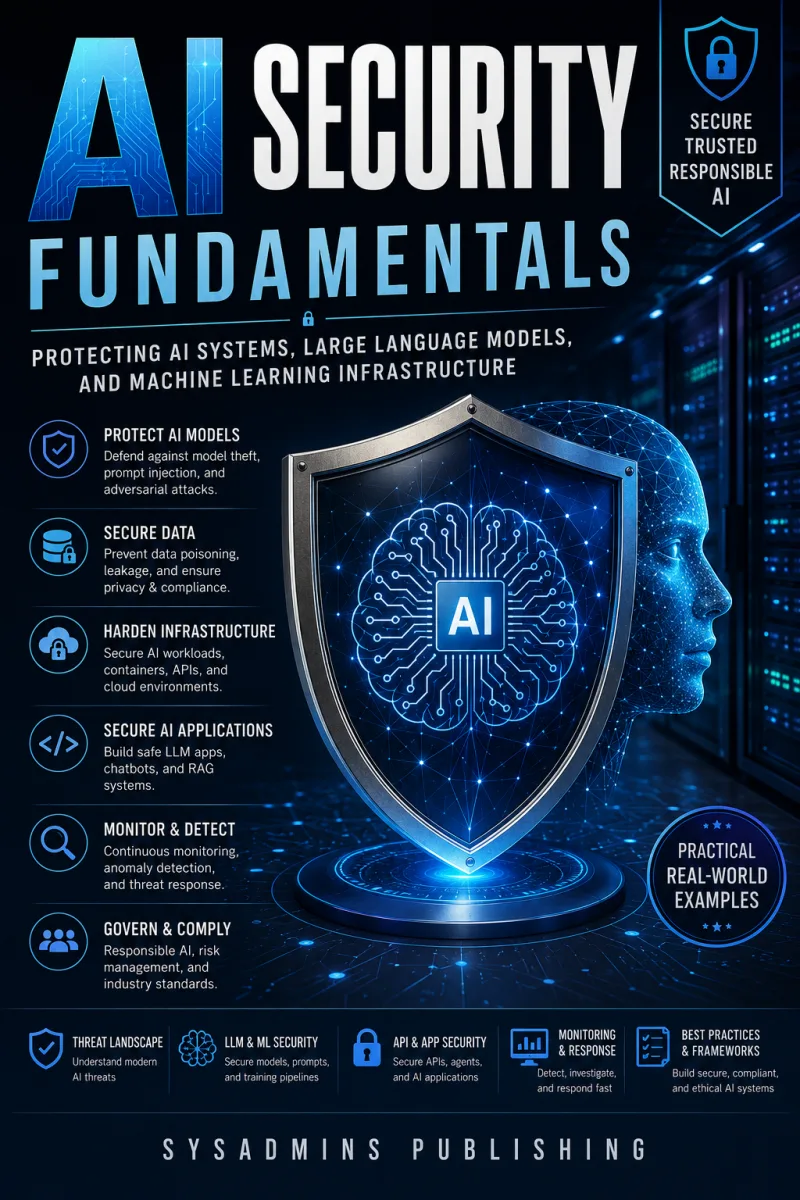
AI Security Fundamentals
Protecting AI Systems, Large Language Models, and Machine Learning Infrastructure
What's Included:
At a Glance
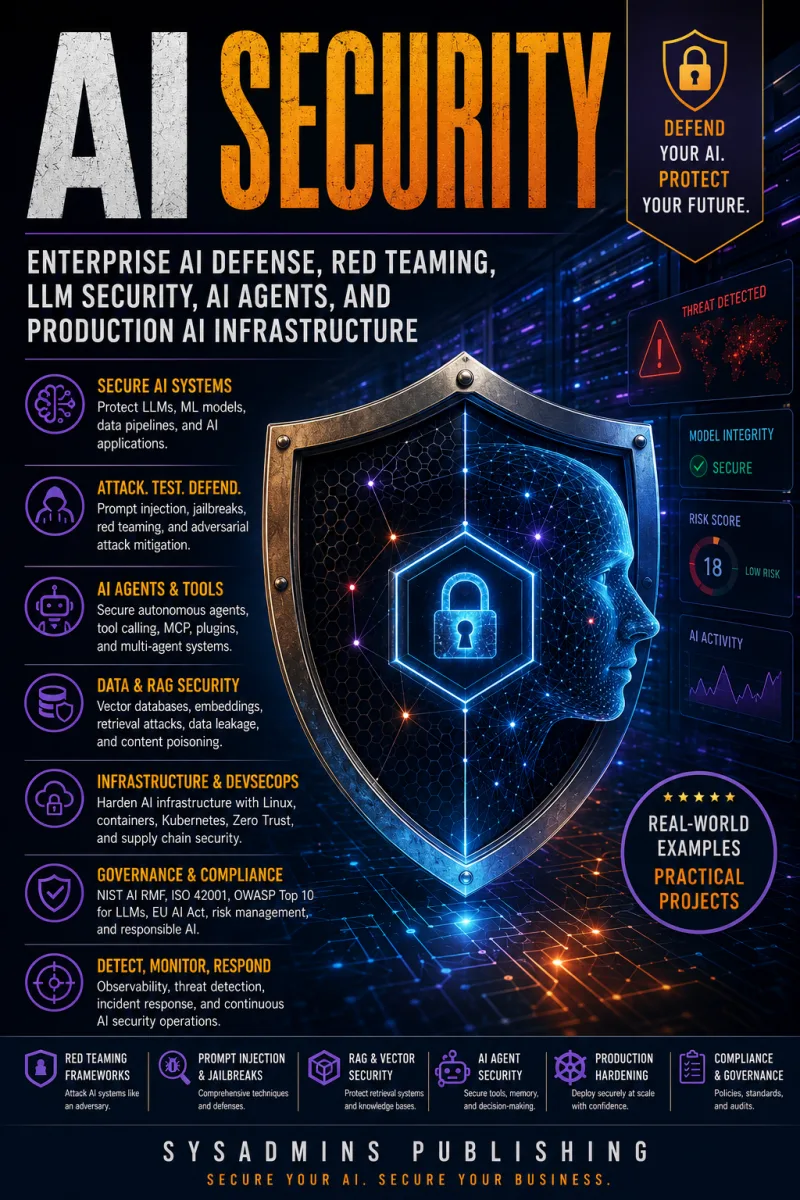
AI Security Fundamentals is a professional DATA & AI eBook by Dargslan, 348 pages, available as an instant PDF and EPUB download for €23.90 with lifetime access and free updates. Protecting AI Systems, Large Language Models, and Machine Learning Infrastructure.
- Length: 348 pages
- Format: PDF and EPUB (instant download)
- Language: English
- Topic: DATA & AI
- Edition: 1st Edition
- Price: €23.90
Key Highlights
- Security-first approach that treats AI as an attack surface to be defended
- Understand the unique AI threat landscape: prompt injection, data poisoning, model theft, adversarial inputs
- Each threat paired with practical, actionable defenses
- Large language model (LLM) security in depth
- Machine learning security across the pipeline
- Protecting AI training data and preventing data leakage
- Securing AI infrastructure and container security for AI
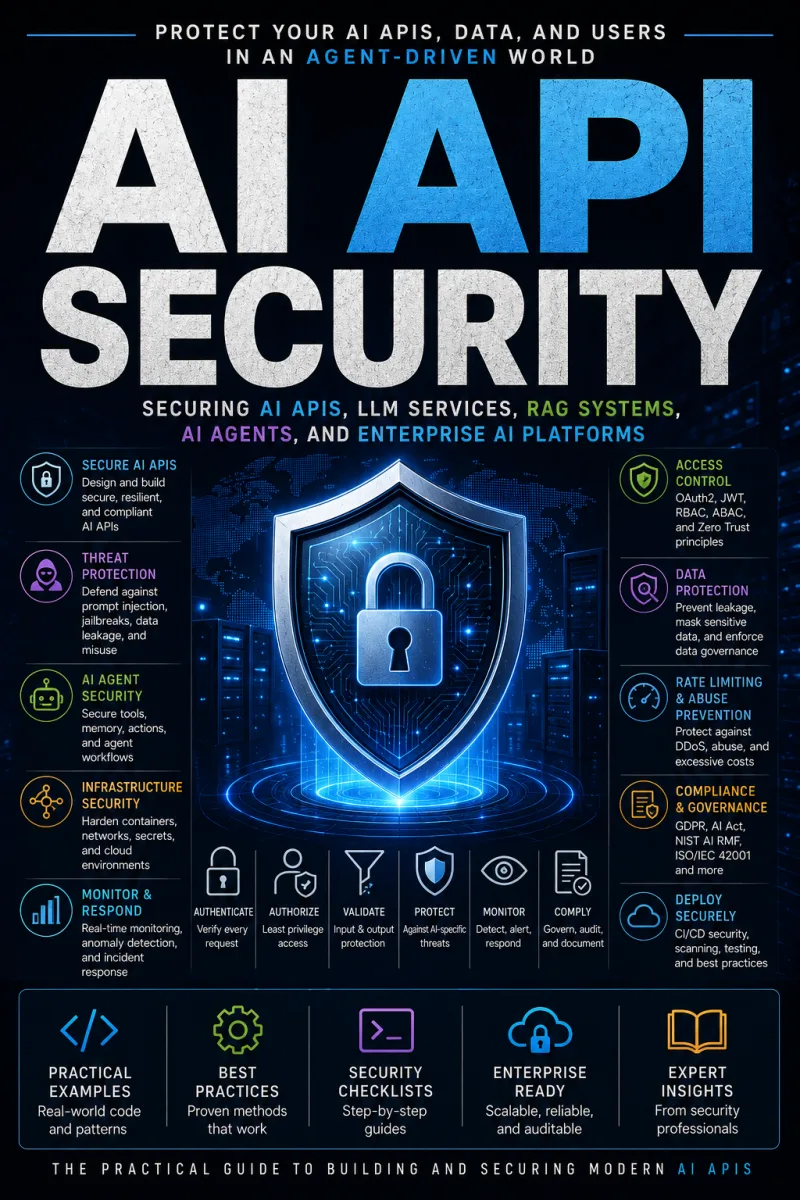
- Securing AI APIs and building secure AI applications
- Continuous monitoring and AI-specific incident response
- AI governance, compliance, and standards
- Defense-in-depth across data, models, infrastructure, and applications
- Detailed prompt injection examples for threat-informed design
- Hands-on projects and building a secure AI platform from the ground up
- Eight appendices: security checklists, LLM threat reference, prompt injection examples, deployment guide, incident response playbook, tools overview, and a learning roadmap
Overview
Secure AI systems, LLMs, and ML infrastructure against modern threats. This security-first guide covers prompt injection, data poisoning, model theft, and adversarial attacks—plus training data protection, infrastructure and API hardening, monitoring, incident response, and AI governance.
The Problem
AI has moved into the core of modern business faster than anyone's security practices could keep up. Organizations are deploying large language models, machine learning pipelines, and AI-powered applications that handle sensitive data, make consequential decisions, and interact directly with users—often before anyone has seriously asked how these systems can be attacked.
And they can be attacked, in ways traditional security training never covered. Prompt injection can hijack an LLM's behavior. Data poisoning can corrupt a model during training. Model extraction can steal your intellectual property through the API. Adversarial inputs can fool classifiers, sensitive training data can leak, and the surrounding infrastructure—containers, APIs, pipelines—presents a broad new attack surface. Most teams have no playbook for detecting or responding to these AI-specific incidents, leaving valuable, high-stakes systems dangerously exposed.
The Solution
AI Security Fundamentals closes the gap between how fast AI is being deployed and how well it's being defended. It treats AI not as a marvel but as an attack surface to be secured, pairing each unique threat—prompt injection, data poisoning, model extraction, adversarial inputs, data leakage—with practical, actionable defenses.
Following a defense-in-depth approach, the book secures the full AI stack: LLM and ML security, training data protection, infrastructure and container hardening, API security, and secure application design. Operational chapters cover monitoring, incident response, governance, and compliance, so protection is sustainable, not just technical. With detailed prompt injection examples, real-world projects, and eight reference appendices—including an incident response playbook and deployment guide—you'll learn to design, build, and defend a secure AI platform from the ground up, with the rigor the discipline demands.
About This Book
AI Security Fundamentals: Protecting AI Systems, Large Language Models, and Machine Learning Infrastructure is a comprehensive, security-first guide to understanding, defending, and governing AI systems throughout their lifecycle. Artificial intelligence has moved from research labs into the core infrastructure of modern business—and with that shift, security has become the defining challenge of our era.
The rapid adoption of large language models, machine learning pipelines, and AI-powered applications has far outpaced the security practices needed to protect them. Every day, organizations deploy AI systems that handle sensitive data, make consequential decisions, and interact directly with users—yet many remain vulnerable to prompt injection, data poisoning, model theft, adversarial attacks, and infrastructure compromise. This book exists to close that gap.
AI as an Attack Surface to Be Secured
This book approaches artificial intelligence not as a technology to be marveled at, but as an attack surface to be secured. From foundational principles to hands-on threat modeling of large language models and machine learning systems, every chapter is grounded in a security-centric perspective. It examines the unique threat landscape facing AI—prompt injection, data leakage, model extraction, adversarial inputs—and pairs each threat with practical, actionable defenses.
Security Across the Full AI Stack
Real protection is layered, and this book covers security across the entire AI stack: training data protection, infrastructure hardening, container and API security, secure application design, continuous monitoring, and incident response. It also addresses the governance and compliance dimensions of AI security—recognizing that technical controls alone are insufficient without policy, oversight, and regulatory alignment.
Guided by Core Security Themes
Several themes run throughout the book. Defense in depth means securing AI systems with layered protection across data, models, infrastructure, and applications. Threat-informed design means understanding adversarial techniques—including detailed prompt injection examples—to build resilient systems. Operational security means monitoring, incident response, and playbooks that let organizations detect and respond to AI-specific incidents. And governance and compliance ensure that security aligns with organizational policy and regulatory standards to remain sustainable.
What You'll Learn
The book progresses logically from foundations to hands-on application. You'll start with core security concepts and the AI threat landscape, then move into model- and data-level security: large language model security, machine learning security, protecting training data, and preventing data leakage. From there you'll harden the stack—securing AI infrastructure, container security for AI, securing AI APIs, and building secure AI applications. The operational chapters cover AI monitoring, incident response, governance, and compliance and standards, before culminating in practical security projects and building a secure AI platform from the ground up.
Who This Book Is For
Whether you're a security engineer transitioning into AI, a data scientist seeking to harden your models, or a technology leader responsible for organizational risk, this book equips you with the knowledge and practical tools to protect AI systems with confidence. It's written with urgency but not alarmism—treating AI security with the technical rigor it deserves while remaining accessible to readers building their expertise from the ground up.
Reference Material You'll Return To
Eight appendices provide practical, reach-for-them resources: an AI security checklist, an LLM threat reference, prompt injection examples, an AI API security checklist, a secure AI deployment guide, an AI incident response playbook, an overview of AI security tools, and a learning roadmap for continued growth.
Why This Book
AI security is a serious discipline, and the systems being deployed today make consequential decisions with sensitive data. By the final chapters, you'll be able to design, build, and defend a secure AI platform—supported by real-world projects, checklists, and reference material. Let this book be your foundation for securing the AI-driven future.
Who Is This Book For?
- Security engineers and analysts transitioning into AI and ML security
- Data scientists and ML engineers who want to harden their models and pipelines
- AI/ML platform and infrastructure engineers securing the stack
- DevSecOps engineers integrating AI systems into secure workflows
- Technology leaders and CISOs responsible for AI-related organizational risk
- Application developers building LLM-powered products who need to defend them
- Governance, risk, and compliance professionals working with AI systems
Who Is This Book NOT For?
- Readers seeking a general machine learning or model-building tutorial rather than security
- Those wanting only high-level AI ethics discussion without technical defenses
- People with no technical background looking for a non-technical AI overview
- Developers seeking a specific vendor product manual rather than vendor-neutral principles
- Anyone expecting pure theory with no checklists, projects, or actionable controls
Table of Contents
- Understanding AI Security
- AI Threat Landscape
- Large Language Model Security
- Machine Learning Security
- Protecting AI Training Data
- Preventing Data Leakage
- Securing AI Infrastructure
- Container Security for AI
- Securing AI APIs
- Secure AI Applications
- AI Monitoring
- Incident Response
- AI Governance
- Compliance & Standards
- Practical Security Projects
- Building a Secure AI Platform
- Appendix: AI Security Checklist
- Appendix: LLM Threat Reference
- Appendix: Prompt Injection Examples
- Appendix: AI API Security Checklist
- Appendix: Secure AI Deployment Guide
- Appendix: AI Incident Response Playbook
- Appendix: AI Security Tools Overview
- Appendix: AI Security Learning Roadmap
Requirements
- General technical background in software, security, or machine learning
- Basic understanding of how AI/ML systems and APIs work is helpful
- Familiarity with core security concepts (threats, controls, defense in depth) is useful but built up as needed
- Comfort with the command line and containers helps for the hands-on infrastructure chapters
- Access to a test environment to practice the security projects and deployments
- No prior AI security experience required—concepts progress from foundations