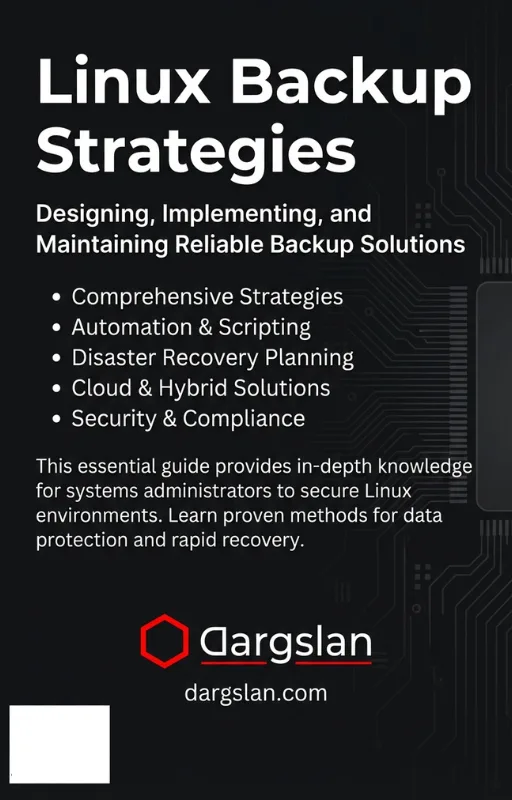
Linux Backup Strategies
Designing, Implementing, and Maintaining Reliable Backup Solutions
What's Included:
At a Glance
Linux Backup Strategies is a professional Linux Administration eBook by Miles Everhart, 393 pages, available as an instant PDF and EPUB download for €19.90 with lifetime access and free updates. Designing, Implementing, and Maintaining Reliable Backup Solutions.
- Length: 393 pages
- Format: PDF and EPUB (instant download)
- Language: English
- Topic: Linux Administration
- Edition: 1st Edition
- Price: €19.90
Key Highlights
- Linux-focused backup strategy design
- Automation and scheduling best practices
- Backup security and integrity verification
- Restore and disaster recovery planning
- Production-ready operational guidance
Overview
Learn how to design, automate, and maintain reliable Linux backup strategies that actually work—covering planning, tooling, security, verification, and disaster recovery.
The Problem
Many Linux backups fail because they are poorly designed, untested, or not adapted to the specific Linux environment they are meant to protect.
The Solution
This book teaches a strategic, Linux-first approach to backup design, helping you build reliable, automated, and verifiable backup systems.
About This Book
Reliable Backup Strategies for Linux Systems
Linux Backup Strategies is a practical guide for Linux administrators who want backups that actually work when disaster strikes. Data loss can happen at any time—hardware failure, ransomware, accidental deletion, or configuration mistakes—and reliable backups are your last line of defense.
This book goes beyond individual backup tools and teaches you how to design, implement, and maintain complete backup systems tailored to Linux environments of all sizes—from personal systems to production servers and enterprise infrastructure.
What You Will Learn
- Why Linux backups fail and how to avoid common mistakes
- Identifying what truly needs to be backed up: data, configurations, and system state
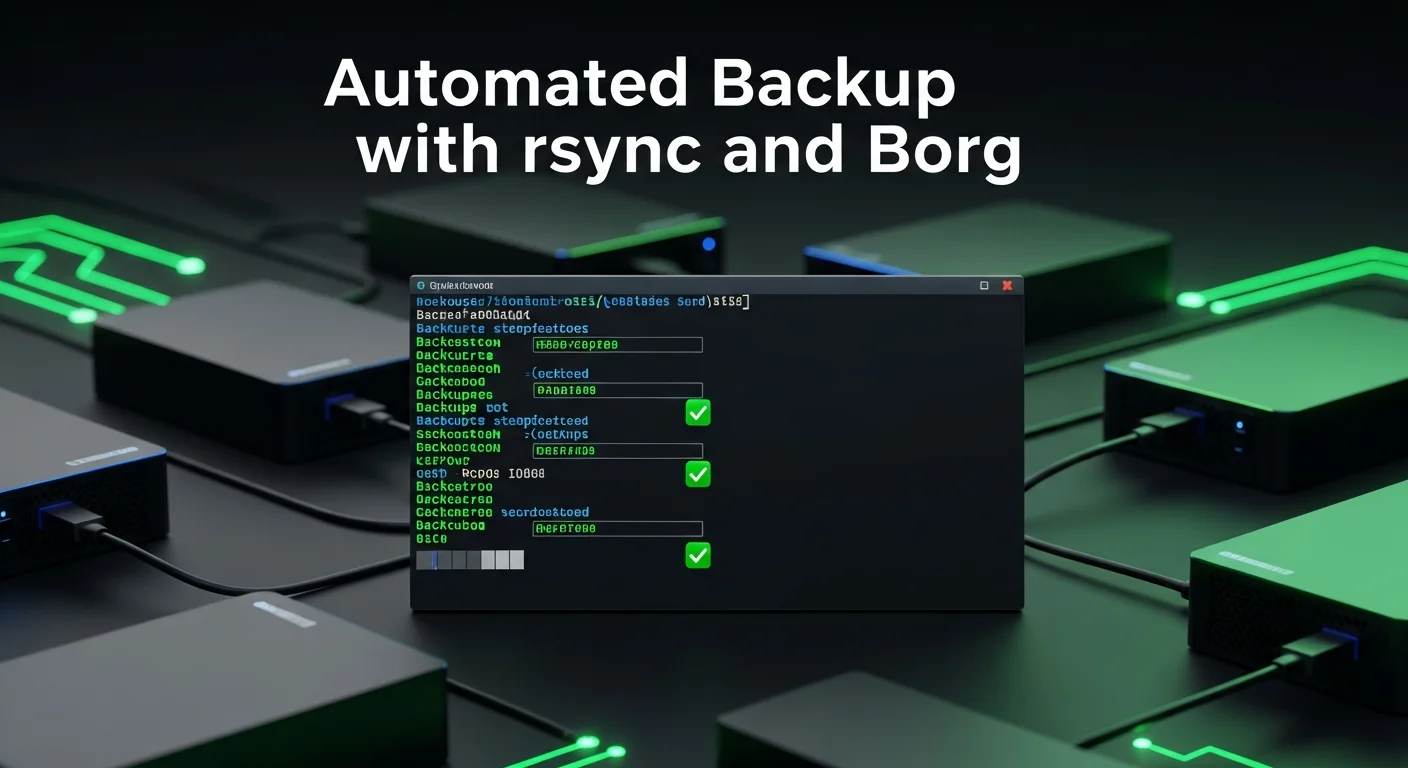
- File-level backup tools: rsync, tar, and incremental strategies
- Snapshot-based backups with LVM, Btrfs, and ZFS
- Full system image backups and bare-metal recovery
- Database backup strategies for MySQL, PostgreSQL, and MongoDB
- Automating backups with cron, systemd timers, and scripts
- Backup storage: local, NAS, cloud (S3, Backblaze B2), and offsite
- Securing backups: encryption, access control, and integrity verification
- Testing backups: verification procedures and restore drills
- Disaster recovery planning and documentation
Who Is This Book For?
This book is designed for Linux administrators and IT professionals responsible for data protection. It is ideal for:
- System administrators managing Linux servers
- DevOps engineers implementing backup automation
- Small business owners protecting critical data
- Home lab enthusiasts building reliable backup systems
- Anyone who has experienced data loss and wants to prevent it
Why This Book?
The book focuses on real-world Linux scenarios, not theoretical concepts. Every strategy is explained with practical considerations, operational guidance, and long-term maintenance in mind.
Prerequisites
Basic Linux command-line experience is required.
Author: Miles Everhart
Who Is This Book For?
- Linux system administrators
- DevOps and SRE engineers
- IT professionals managing Linux servers
- Home lab and self-hosting enthusiasts
- Engineers responsible for disaster recovery
Who Is This Book NOT For?
- Readers looking for a single backup tool manual
- Non-technical users
- Those seeking GUI-only backup solutions
Table of Contents
- Why Backups Fail (and How to Avoid It)
- Core Backup Concepts
- Identifying What Needs Backup
- Backup Scheduling and Planning
- File-Level Backup Strategies
- Image and Snapshot-Based Backups
- Backup Storage Options
- Offsite and Remote Backups
- Backup Tools Overview
- Automating Backups
- Securing Backup Data
- Verifying Backup Integrity
- Restore and Recovery Procedures
- Disaster Recovery Planning
- Operating Backups in Production
- From Backup Strategies to Advanced Topics
Requirements
- Basic Linux command-line knowledge
- Familiarity with Linux filesystems
- Interest in system administration or DevOps