Mastering Cloud Computing: From Fundamentals to Production
Cloud computing has fundamentally transformed how organizations build, deploy, and scale their technology infrastructure. What began as a simple way to rent virtual servers has evolved into a rich ecosystem of managed services spanning compute, storage, databases, artificial intelligence, and beyond. Understanding cloud computing is no longer optional for IT professionals — it is a core competency that shapes careers and business outcomes.
Understanding the Cloud Computing Landscape
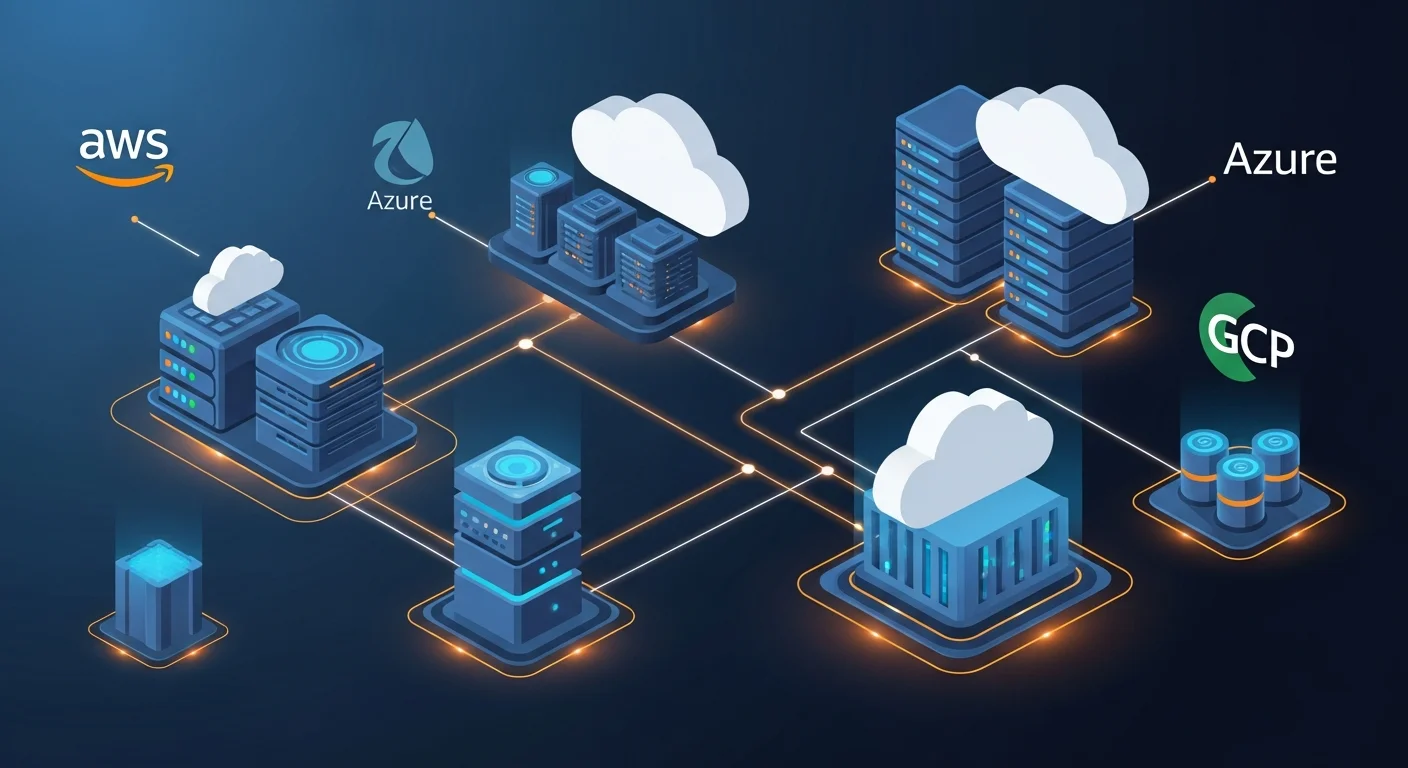
The three major cloud providers — Amazon Web Services (AWS), Microsoft Azure, and Google Cloud Platform (GCP) — collectively offer over 600 distinct services. AWS leads with approximately 32% market share, followed by Azure at 23% and GCP at 10%. Each provider has unique strengths: AWS excels in breadth of services and enterprise adoption, Azure integrates seamlessly with Microsoft ecosystems, and GCP leads in data analytics and machine learning.
Beyond the hyperscalers, understanding cloud deployment models is essential. Public cloud offers maximum scalability, private cloud provides greater control and compliance, and hybrid cloud combines both approaches. Multi-cloud strategies — using multiple providers simultaneously — are increasingly common, with 89% of enterprises adopting multi-cloud approaches to avoid vendor lock-in and optimize costs.
Cloud Service Models Deep Dive
Infrastructure as a Service (IaaS) provides the most flexibility, giving you virtual machines, storage, and networking to manage as you see fit. Platform as a Service (PaaS) adds managed runtimes and development tools, letting you focus on code rather than infrastructure. Software as a Service (SaaS) delivers complete applications over the internet. Newer models like Function as a Service (FaaS) and Container as a Service (CaaS) further abstract infrastructure management.
Choosing the right service model depends on your team capabilities, compliance requirements, and business goals. A startup might choose PaaS for rapid development, while a regulated enterprise might need IaaS for control. Most organizations use a mix of service models across their application portfolio.
Cloud Architecture Best Practices
Well-architected cloud solutions follow key principles: design for failure with redundancy across availability zones, implement least-privilege access with IAM policies, encrypt data at rest and in transit, use managed services where possible to reduce operational burden, and design for scalability with auto-scaling groups and load balancers.
The AWS Well-Architected Framework provides five pillars: Operational Excellence, Security, Reliability, Performance Efficiency, and Cost Optimization. Similar frameworks exist for Azure and GCP. Following these frameworks from the start prevents costly refactoring later and ensures your cloud deployments meet production standards.
Infrastructure as Code and Automation
Modern cloud management requires Infrastructure as Code (IaC) tools like Terraform, AWS CloudFormation, Azure Resource Manager, or Pulumi. IaC enables version-controlled, repeatable, and auditable infrastructure deployments. Combined with CI/CD pipelines, IaC creates a GitOps workflow where infrastructure changes follow the same review and approval process as application code.
Configuration management tools like Ansible complement IaC by handling the software layer on provisioned infrastructure. Together, they create a fully automated pipeline from code commit to production deployment, reducing human error and deployment time from hours to minutes.
Cloud Security and Compliance
Security in the cloud follows a shared responsibility model: the cloud provider secures the infrastructure, while you secure your applications, data, and access controls. This means implementing network segmentation with VPCs and security groups, managing identities with IAM, encrypting data with KMS, and monitoring with cloud-native security services.
Compliance in the cloud requires understanding your regulatory requirements — whether GDPR, HIPAA, SOC 2, or PCI DSS — and mapping them to cloud controls. Cloud providers offer compliance certifications and tools to help, but the responsibility for data handling and access policies remains with you.
Cost Optimization Strategies
Cloud spending can spiral quickly without proper governance. Key optimization strategies include right-sizing instances based on actual utilization, using reserved instances or savings plans for predictable workloads, leveraging spot instances for fault-tolerant workloads, implementing auto-scaling to match capacity with demand, and using cloud-native cost management tools to track and alert on spending patterns.
Your Cloud Learning Path
We have curated the best books, cheat sheets, and learning resources to guide your cloud journey. Whether you are preparing for AWS Solutions Architect certification, learning Azure administration, or exploring multi-cloud strategies, our collection covers every aspect of modern cloud computing from beginner fundamentals to expert-level architecture.
Recommended Books 7
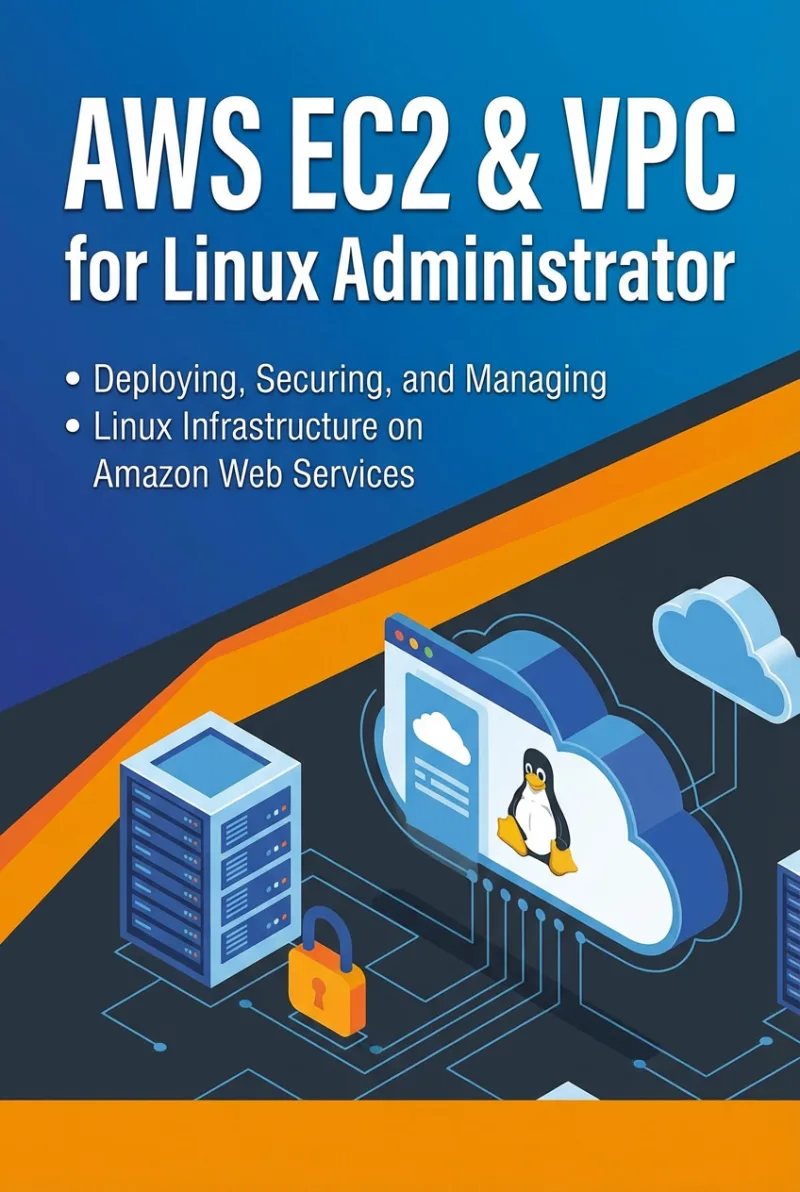
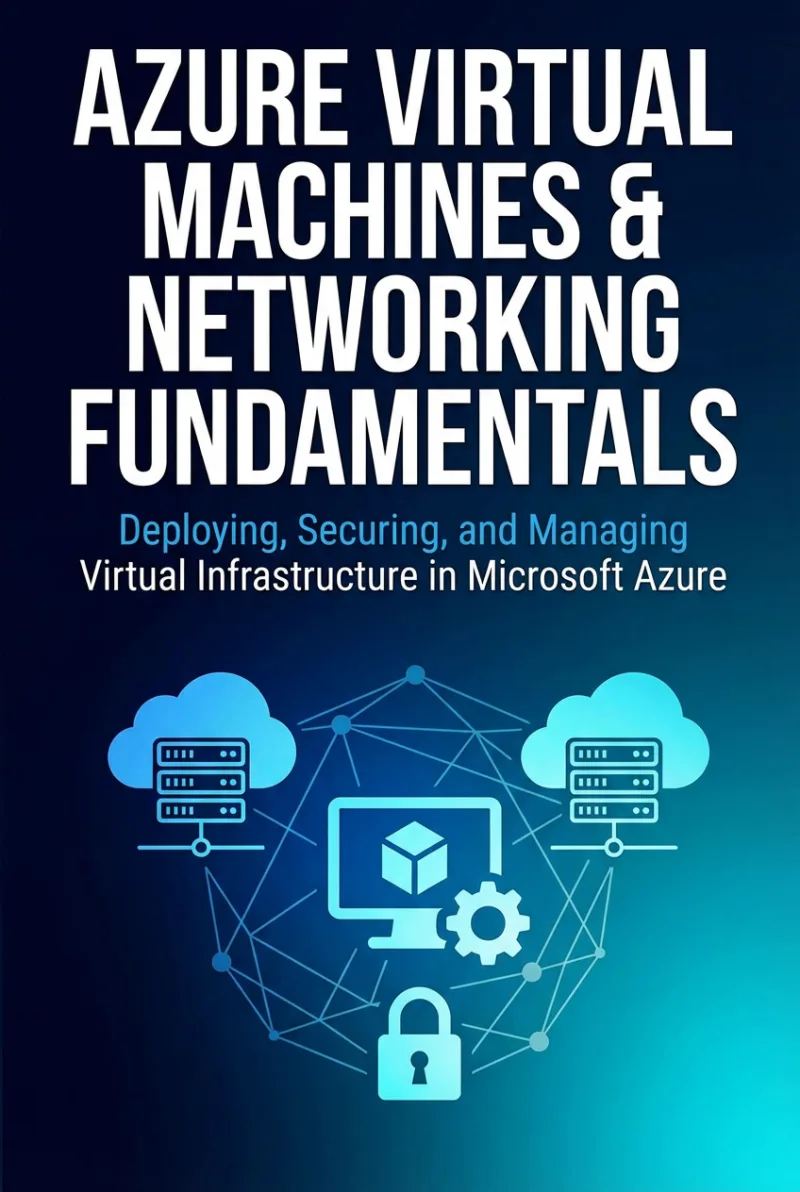
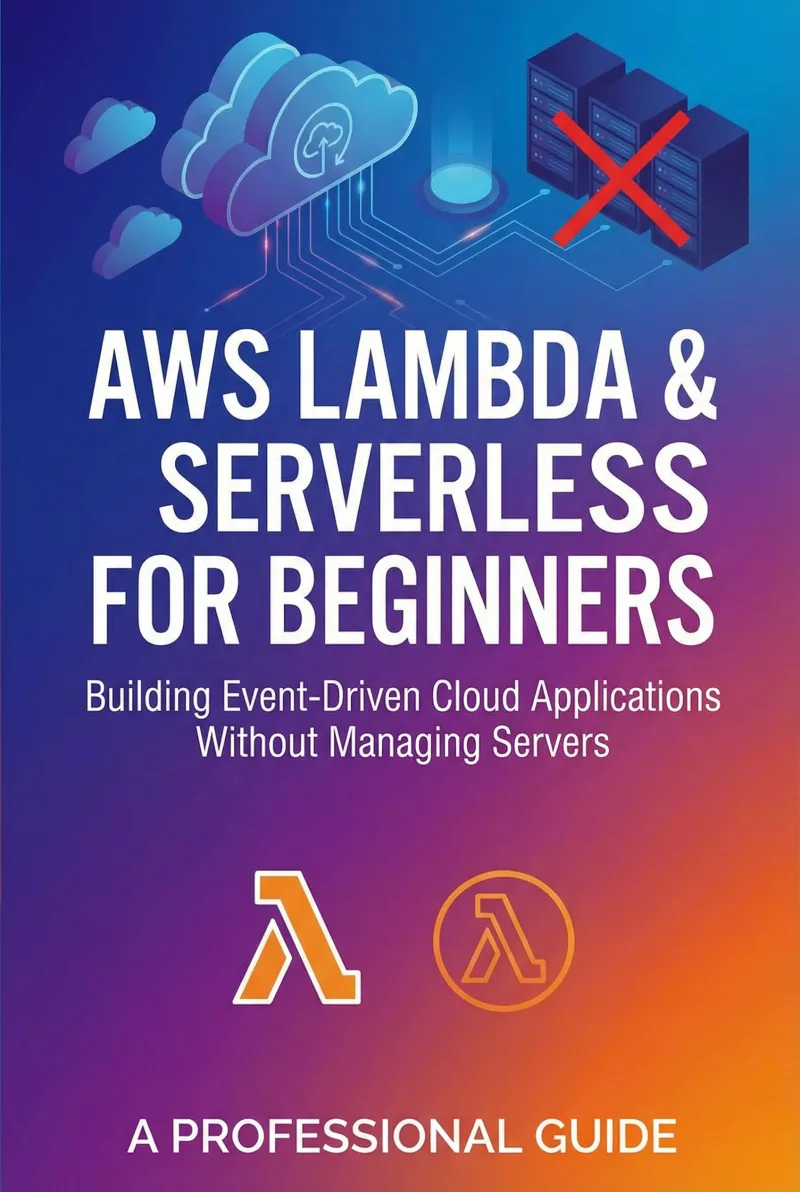
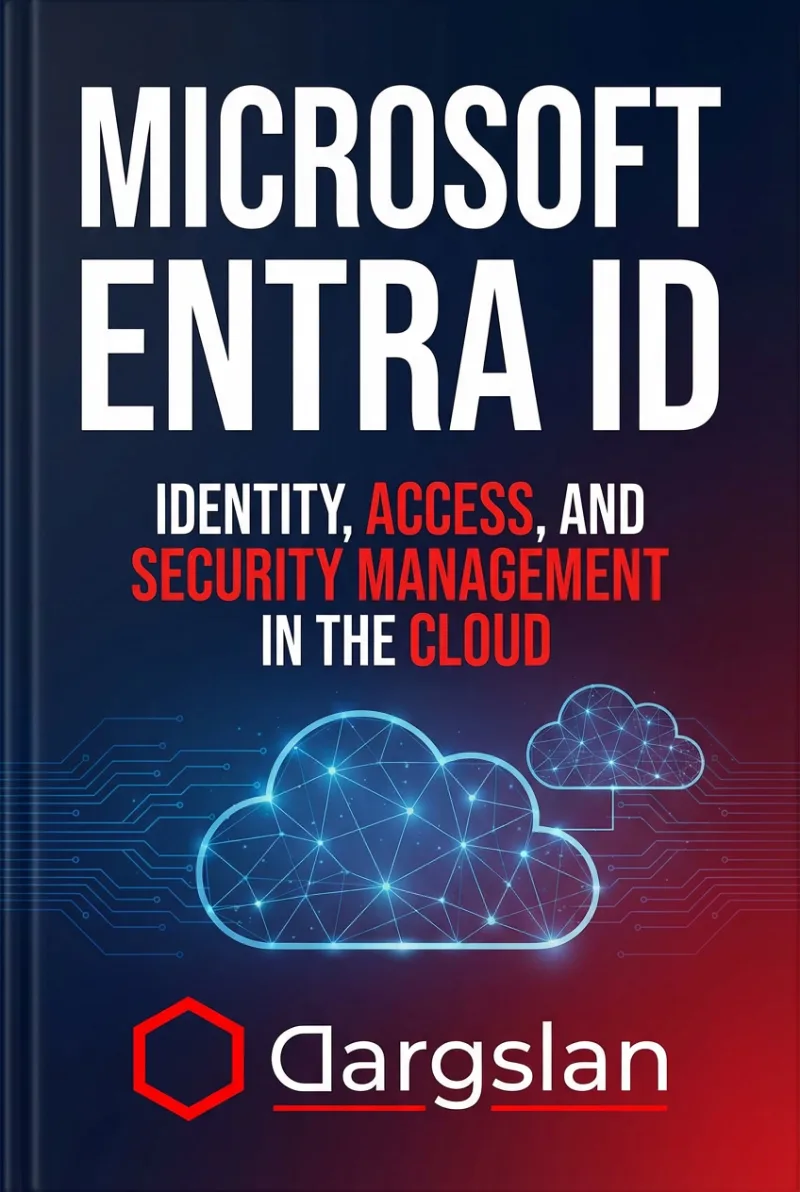
Related Articles 4
Cheat Sheets 8
AWS CLI Commands Cheat Sheet
Essential AWS command-line interface reference. Covers configuration, S3 storage, EC2 compute, IAM i...
Download Free →Azure CLI Commands Cheat Sheet
Essential Azure command-line reference. Covers authentication, resource groups, VMs, storage, App Se...
Download Free →AWS CLI Beginner's Complete Guide
A comprehensive 5-page AWS CLI reference covering setup, EC2 instances, security groups, S3 storage,...
Download Free →Azure CLI Beginner's Complete Guide
A comprehensive 5-page Azure CLI reference covering authentication, resource groups, virtual machine...
Download Free →AWS CLI Intermediate Guide
An 8-page guide to intermediate AWS CLI. Covers EC2 lifecycle, security groups, S3 advanced operatio...
Download Free →Azure CLI Intermediate Guide
A 7-page guide to intermediate Azure CLI. Covers VM management, VNet/NSG networking, storage account...
Download Free →Rust Quick Reference
A 1-page quick reference for Rust: ownership, borrowing, lifetimes, structs, enums, pattern matching...
Download Free →C/C++ Quick Reference
A 1-page quick reference covering C fundamentals (pointers, structs, preprocessor) and modern C++ (a...
Download Free →