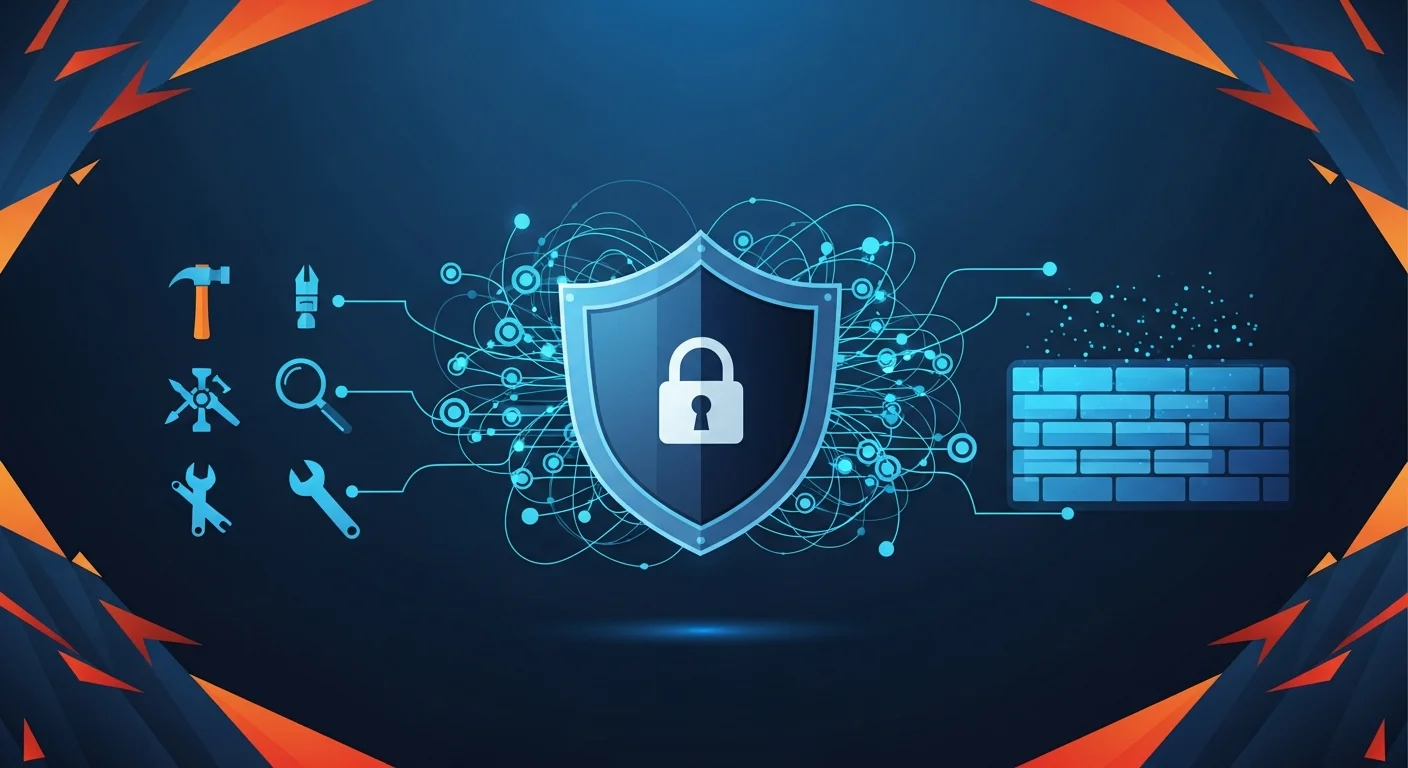
Cybersecurity: Protecting the Digital World
Cybersecurity is one of the fastest-growing fields in technology, with over 3.5 million unfilled positions globally. As organizations digitize their operations and data becomes increasingly valuable, the demand for skilled security professionals continues to accelerate. Whether you are interested in offensive security (penetration testing), defensive security (blue team), or governance and compliance, the cybersecurity field offers diverse and rewarding career paths.
The Cybersecurity Threat Landscape
Understanding threats is the first step to defending against them. Modern threat actors range from opportunistic script kiddies using automated tools to sophisticated state-sponsored Advanced Persistent Threats (APTs) with unlimited resources. Common attack vectors include phishing and social engineering (responsible for over 80% of breaches), ransomware (with average recovery costs exceeding $4.5 million), supply chain attacks targeting software dependencies, and zero-day exploits targeting unknown vulnerabilities.
The MITRE ATT&CK framework provides a comprehensive knowledge base of adversary tactics and techniques, serving as a common language for security teams. Understanding this framework helps both red teams plan realistic attack simulations and blue teams build effective detection strategies.
Penetration Testing and Ethical Hacking
Penetration testing is the practice of simulating real-world attacks to identify vulnerabilities before malicious actors do. Professional pentesters follow structured methodologies like OWASP Testing Guide for web applications and PTES for infrastructure testing. Key skills include network reconnaissance with tools like nmap, vulnerability scanning with Nessus or OpenVAS, exploitation with Metasploit, web application testing with Burp Suite, and privilege escalation techniques.
Ethical hackers operate within strict legal boundaries, with written authorization and defined scope. Bug bounty programs from companies like HackerOne and Bugcrowd offer legal ways to practice and earn rewards for finding vulnerabilities in real-world applications.
Network Security Fundamentals
Network security forms the backbone of any security program. Defense-in-depth strategies layer multiple controls: firewalls and network segmentation limit lateral movement, Intrusion Detection and Prevention Systems (IDS/IPS) monitor for malicious activity, Virtual Private Networks (VPNs) protect remote access, and Network Access Control (NAC) ensures only authorized devices connect.
Modern network security extends to cloud environments with security groups, network ACLs, and Web Application Firewalls (WAFs). Zero Trust Architecture — which assumes no implicit trust regardless of network location — is becoming the standard model, requiring verification for every access request.
Security Operations and Incident Response
Security Operations Centers (SOCs) provide 24/7 monitoring and response capabilities. Security Information and Event Management (SIEM) platforms like Splunk, Elastic Security, and Microsoft Sentinel aggregate logs from across the infrastructure, enabling correlation and detection of security events. Security Orchestration, Automation, and Response (SOAR) platforms automate common response actions, reducing response times from hours to seconds.
Incident response follows established frameworks: preparation, identification, containment, eradication, recovery, and lessons learned. Having documented playbooks and conducting regular tabletop exercises ensures your team can respond effectively under pressure when a real incident occurs.
Security Certifications and Career Paths
The cybersecurity certification landscape offers clear career progression. Entry-level certifications like CompTIA Security+ establish foundational knowledge. Mid-level certifications like CEH (Certified Ethical Hacker) and CySA+ (Cybersecurity Analyst) demonstrate hands-on skills. Advanced certifications like OSCP (Offensive Security Certified Professional) for pentesters and CISSP (Certified Information Systems Security Professional) for security managers are industry-recognized gold standards.
Your Security Learning Path
Our curated collection covers every aspect of cybersecurity — from beginner-friendly introductions to advanced exploitation techniques. Whether you are preparing for your first security certification, building a home lab for practice, or expanding your expertise into cloud security and threat intelligence, these resources will guide your journey into this critical field.
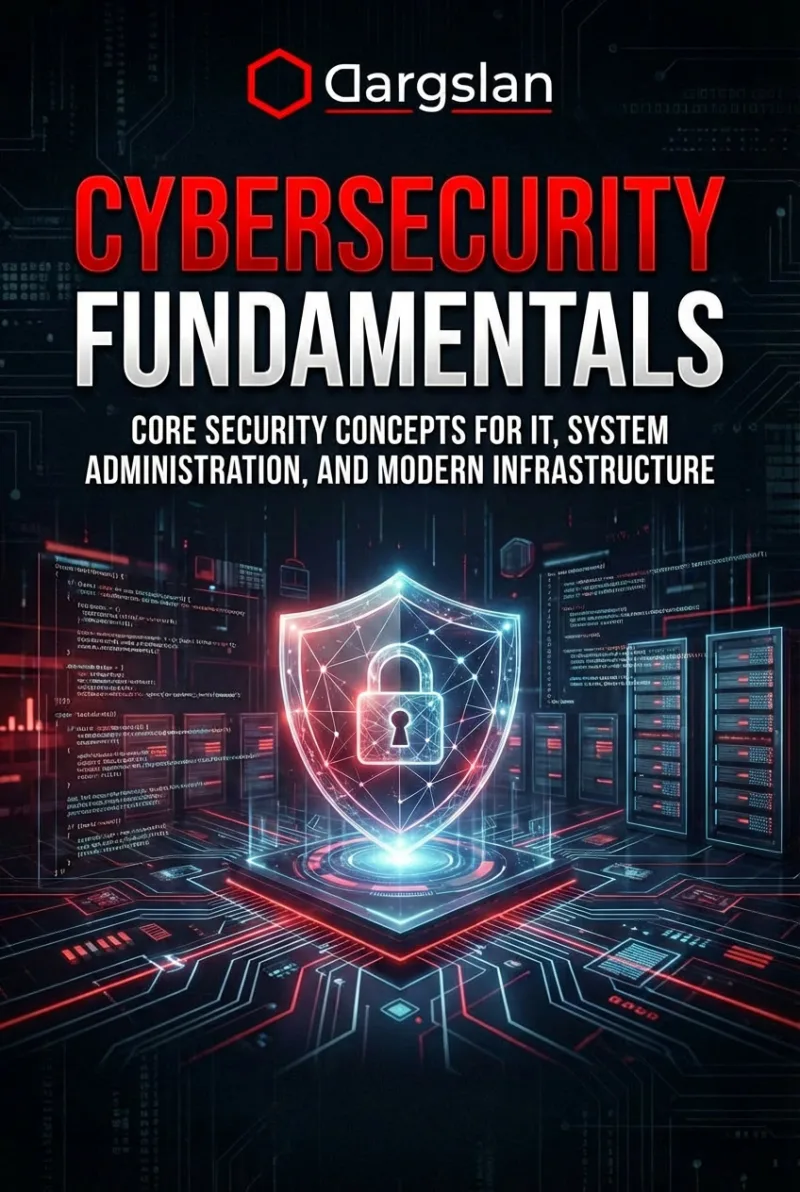
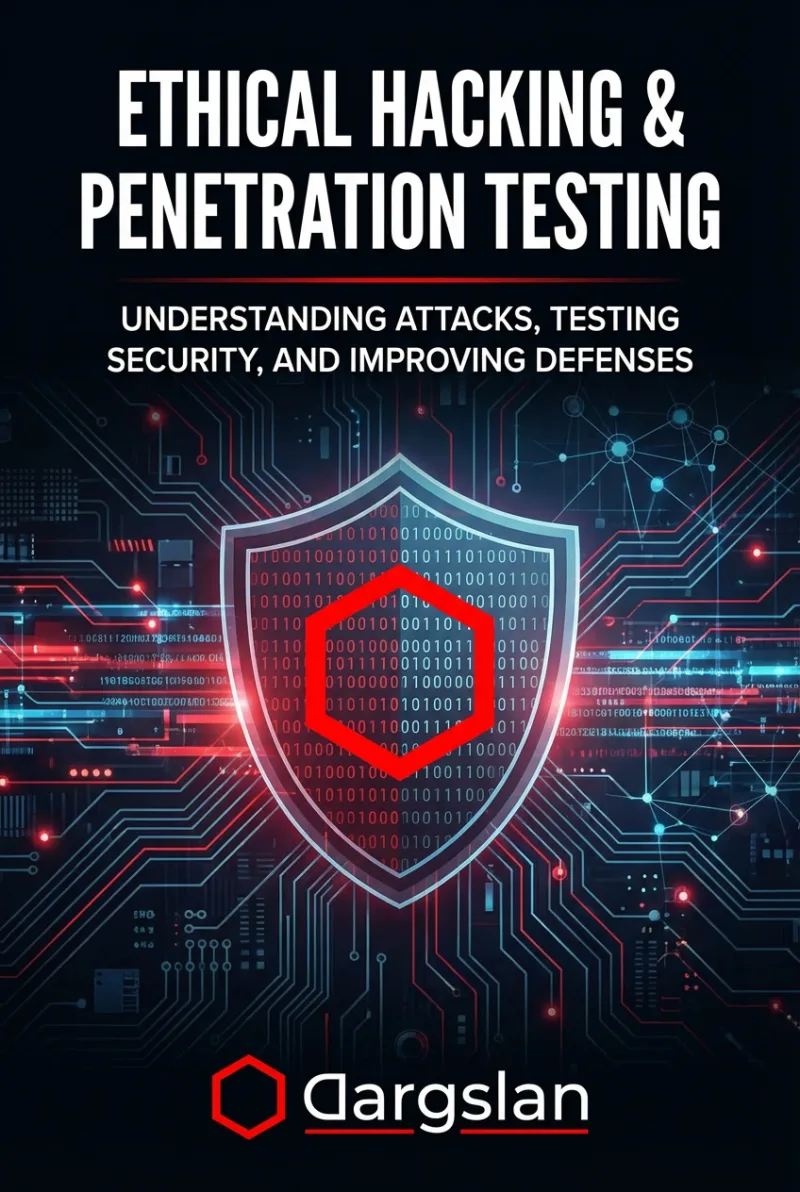
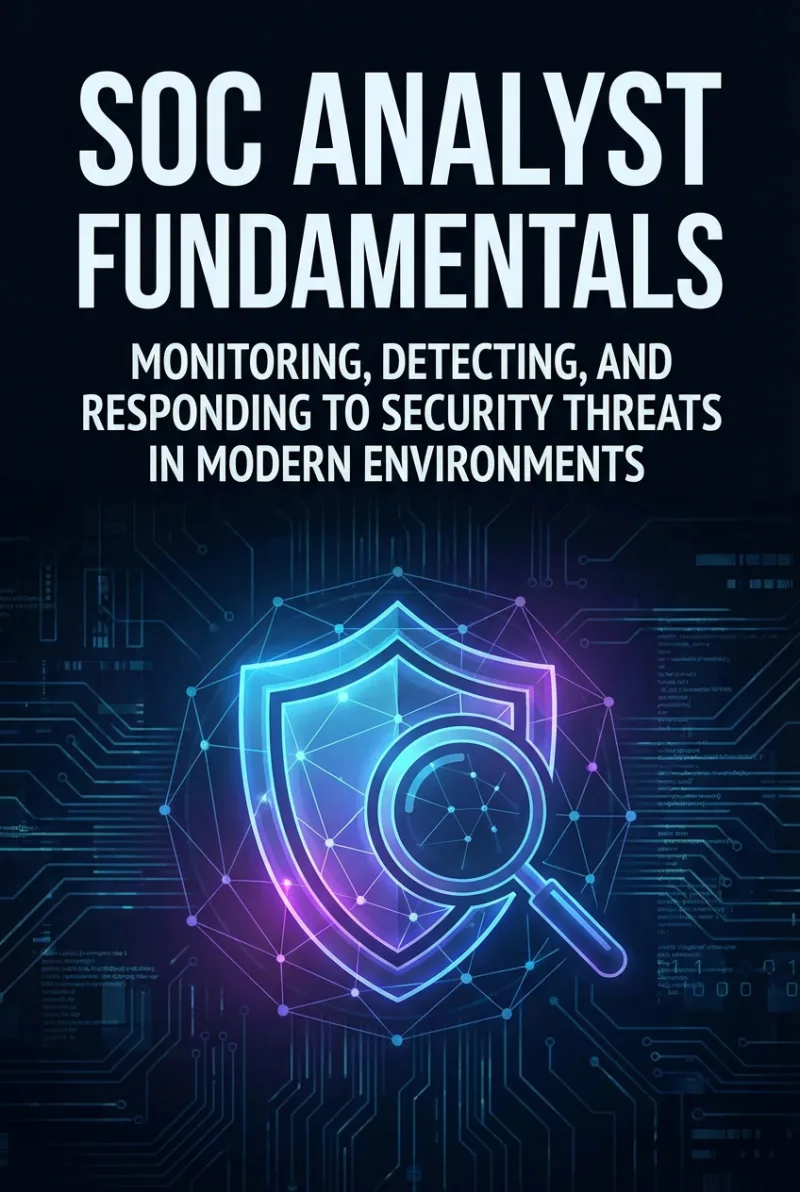
Recommended Books 8
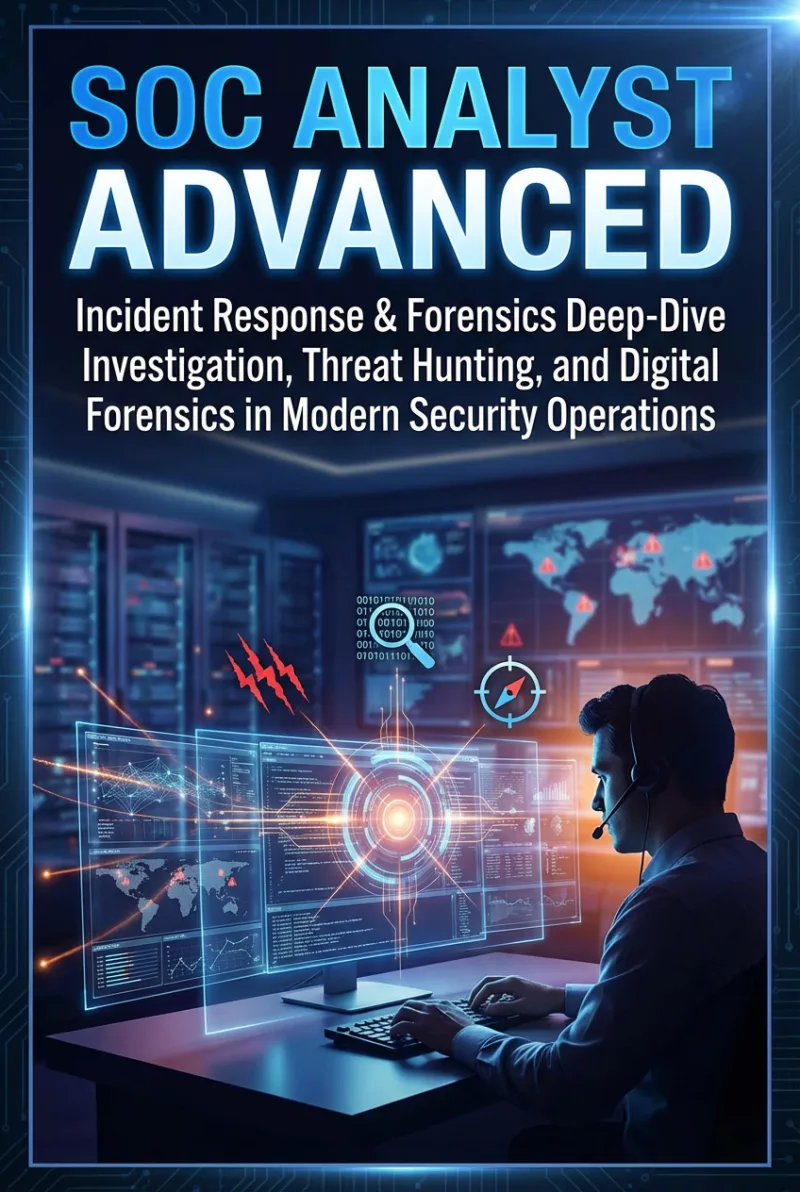
Related Articles 4




Cheat Sheets 5
Ubuntu Complete Guide 2026
Comprehensive 20-page Ubuntu guide covering installation, APT package management, Snap, Netplan netw...
Download Free →nftables vs iptables Quick Reference 2026
Complete 6-page comparison and migration guide for Linux firewall management. Covers nftables and ip...
Download Free →Vim Complete Guide 2026
Complete Vim reference: modal editing modes, navigation commands, text objects, editing operators, s...
Download Free →Systemd Complete Guide 2026
Complete systemd reference: service management with systemctl, unit file structure ([Unit], [Service...
Download Free →Docker Compose Complete Guide 2026
Complete Docker Compose reference: YAML syntax, service definitions, networking, volumes, environmen...
Download Free →