Networking: The Foundation of All IT
Computer networking underlies every aspect of modern technology. From the Wi-Fi connecting your devices to the undersea cables spanning oceans, networking enables communication, collaboration, and commerce on a global scale. Whether you are a system administrator managing enterprise infrastructure, a developer building distributed applications, or a security professional protecting network assets, understanding networking fundamentals is essential for your career.
TCP/IP and the Network Stack
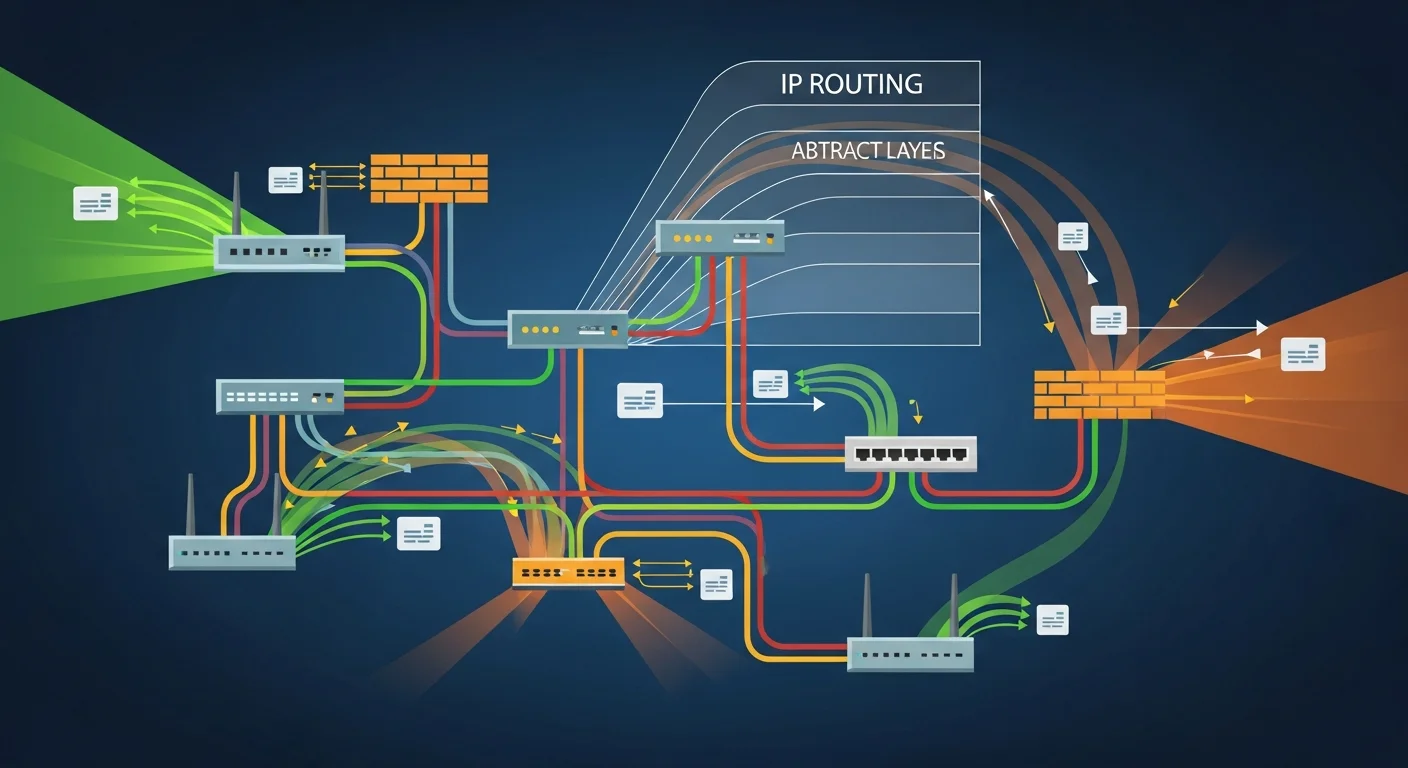
The TCP/IP model provides the framework for understanding how data flows across networks. At the network access layer, Ethernet and Wi-Fi handle local communication. The internet layer (IP) provides addressing and routing between networks. The transport layer (TCP and UDP) ensures reliable or fast delivery. And the application layer (HTTP, DNS, SMTP) provides the services we use daily.
Understanding IP addressing, subnetting, and CIDR notation is a fundamental skill that every networking professional must master. IPv4 addressing with its 32-bit addresses is reaching exhaustion, making IPv6 knowledge increasingly important. Subnetting allows efficient use of address space and network segmentation for security and performance.
Routing and Switching
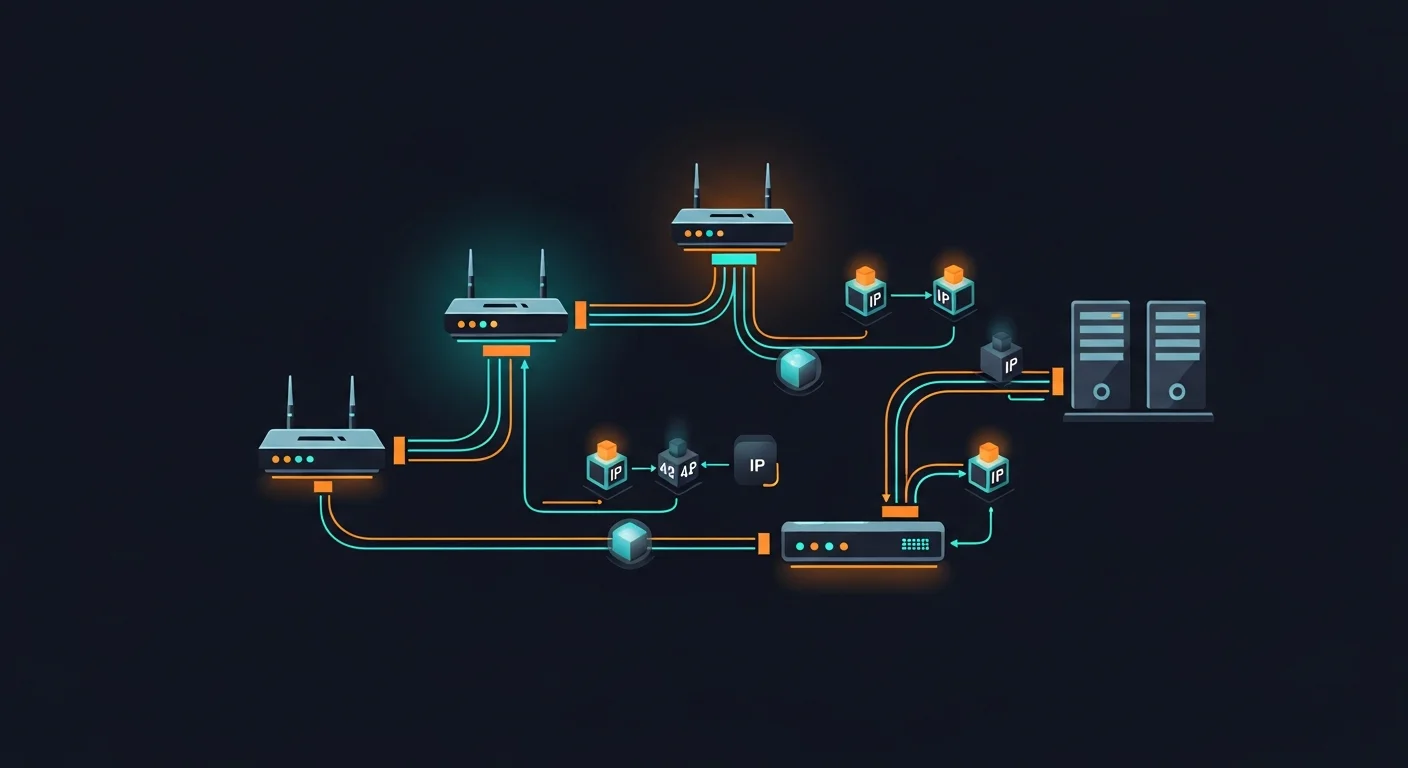
Switches create local area networks by learning MAC addresses and forwarding frames to the correct ports. VLANs provide logical network segmentation, trunk links carry multiple VLAN traffic between switches, and Spanning Tree Protocol prevents switching loops. Layer 3 switches combine routing and switching capabilities for efficient network design.
Routing protocols enable networks to share reachability information and adapt to changes. OSPF (Open Shortest Path First) is the most widely used interior gateway protocol, using link-state advertisements to calculate optimal paths. BGP (Border Gateway Protocol) is the protocol that makes the internet work, enabling autonomous systems to exchange routing information. Understanding these protocols is essential for managing anything beyond a simple flat network.
Network Security Fundamentals
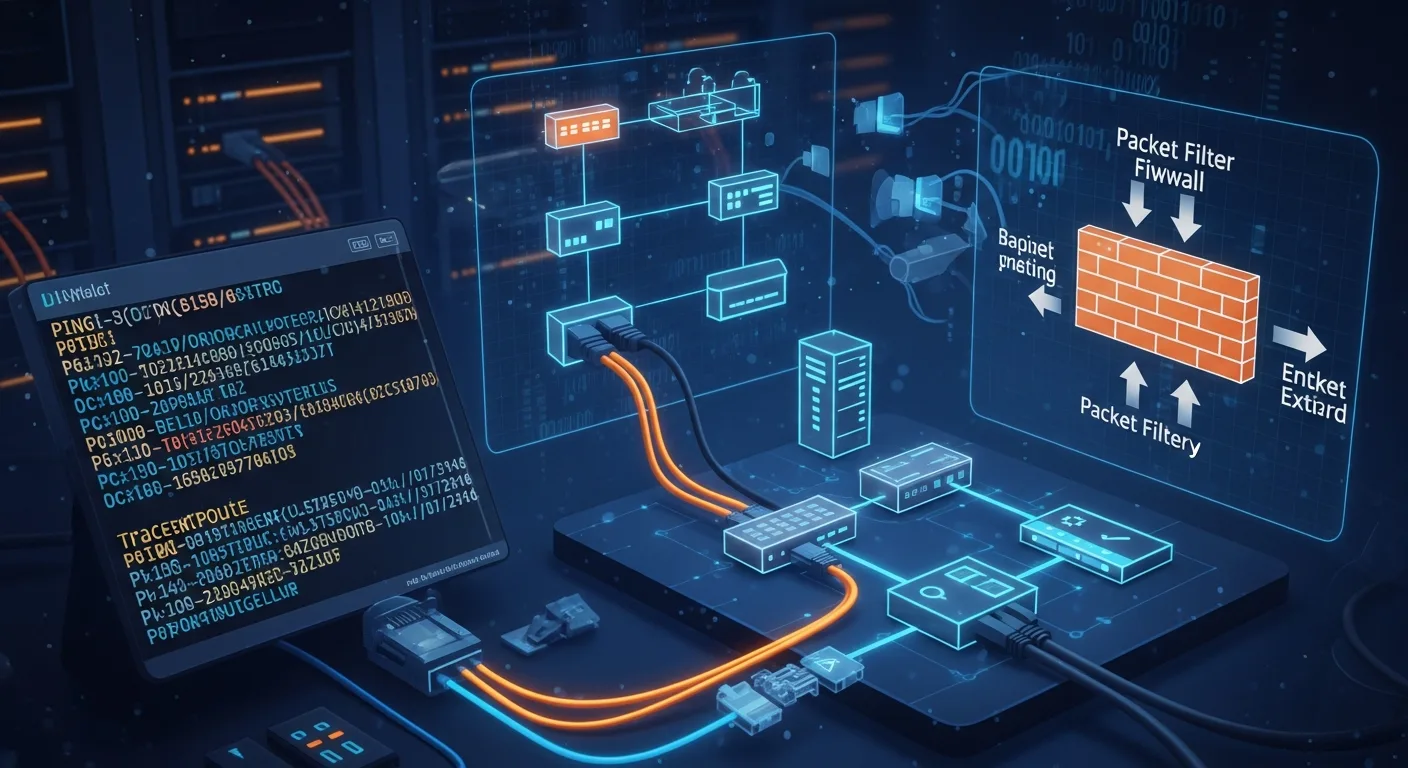
Network security implements multiple layers of defense. Firewalls — from simple packet filters to next-generation application-aware firewalls — control traffic flow between network segments. VPNs create encrypted tunnels for secure remote access. Network Access Control (NAC) ensures devices meet security requirements before connecting. And monitoring tools like Wireshark, NetFlow, and SNMP provide visibility into network behavior.
Wireless network security deserves special attention with WPA3 as the current standard, proper SSID management, RADIUS authentication for enterprise deployments, and wireless intrusion detection. The proliferation of IoT devices adds new security challenges that networking professionals must address.
Network Design and Architecture
Enterprise network design follows hierarchical models with core, distribution, and access layers. The core provides high-speed backbone connectivity, the distribution layer implements routing and policy, and the access layer connects end devices. Modern designs incorporate spine-leaf architectures for data centers, SD-WAN for wide area networking, and cloud connectivity for hybrid environments.
Network redundancy and high availability are achieved through technologies like HSRP/VRRP for gateway redundancy, link aggregation (LACP) for bandwidth and failover, and multi-path routing. Understanding these technologies and how to implement them ensures your network can withstand failures without service disruption.
Network Certification Paths
Networking certifications provide structured learning paths and industry recognition. CompTIA Network+ establishes foundational knowledge suitable for any IT role. Cisco CCNA is the gold standard for networking professionals, covering routing, switching, and network fundamentals. Advanced certifications like CCNP and CCIE demonstrate expert-level skills that command premium salaries.
Your Networking Learning Path
Our networking collection covers everything from basic concepts to advanced enterprise architecture. Whether you are starting your networking career, preparing for certifications, or expanding into specialized areas like network automation or cloud networking, these books and resources provide the comprehensive coverage you need.
Recommended Books 4
Related Articles 3

Cheat Sheets 4
Networking Cheat Sheet
TCP/IP, ports, and network troubleshooting reference. Covers common ports, network commands, trouble...
Download Free →Networking Beginner's Complete Guide
A comprehensive 6-page networking reference covering TCP/IP, DNS, ports, network configuration, trou...
Download Free →Networking Intermediate Guide
An 8-page guide to intermediate networking. Covers subnetting calculations, VLANs, static/dynamic ro...
Download Free →JavaScript Quick Reference
A 1-page quick reference covering essential JavaScript syntax: variables, types, arrays, functions, ...
Download Free →