Python for IT Professionals and System Administrators
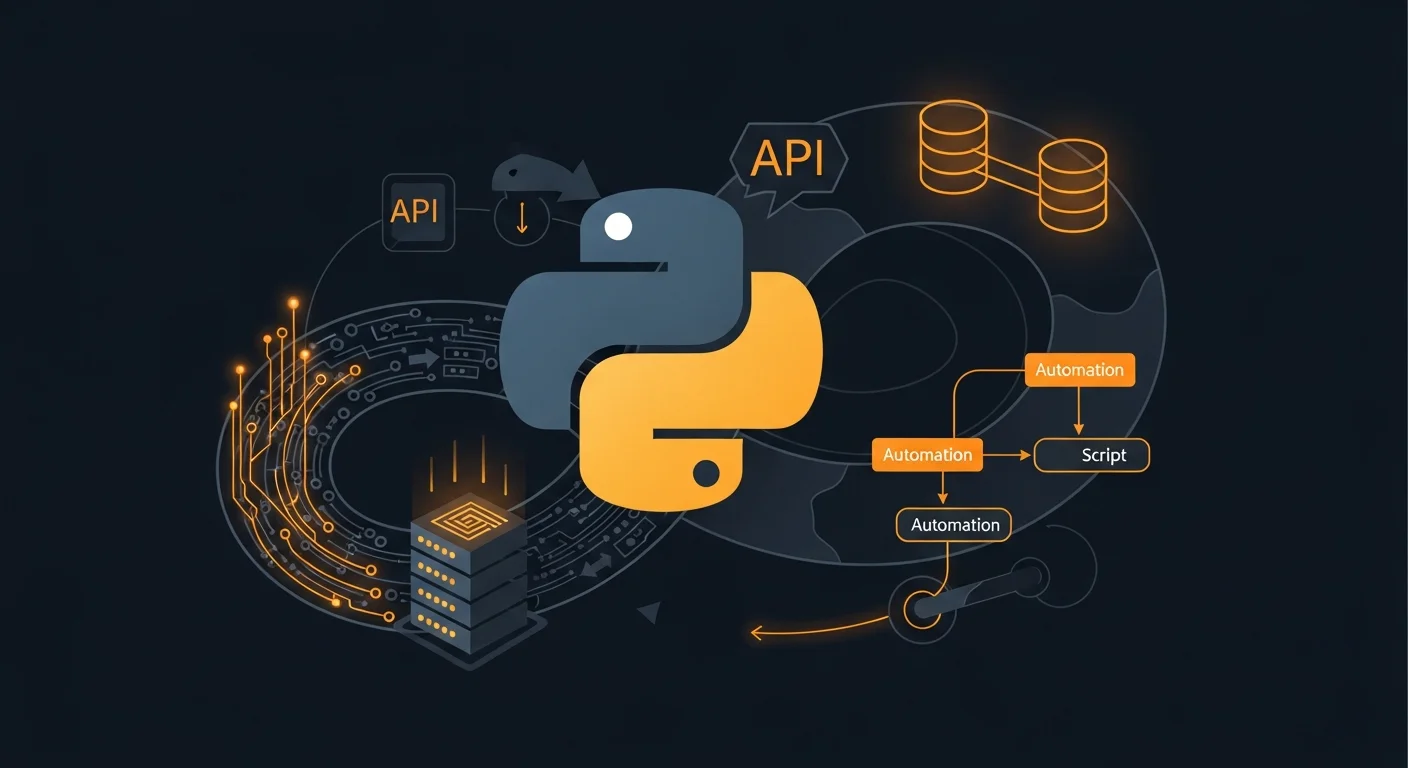
Python has become the dominant programming language for system administration and IT automation. Its clean syntax, extensive standard library, and rich ecosystem of third-party packages make it ideal for everything from simple file management scripts to complex infrastructure automation frameworks. If Bash is the screwdriver of Linux automation, Python is the entire power tool workshop.
This comprehensive guide brings together Dargslan's best resources for learning Python in the context of system administration, DevOps, and IT infrastructure management. Our focus is practical — every concept is presented through the lens of real-world system administration tasks.
Why Python for System Administration?
While Bash excels at quick command-line tasks and simple automation, Python shines when complexity increases. Python offers structured error handling with try/except, rich data structures (dictionaries, sets, named tuples), object-oriented programming for complex tools, comprehensive testing frameworks, and thousands of specialized libraries. Major configuration management tools (Ansible, SaltStack) and cloud SDKs (boto3, Azure SDK, Google Cloud Client Libraries) are written in Python, making it the natural choice for infrastructure automation.
Python is also the language of choice for Site Reliability Engineering (SRE). Google's SRE handbook recommends Python for operational tooling, and most cloud-native monitoring and observability tools provide Python APIs.
Core Topics
Python Essentials for Sysadmins
Our beginner resources focus on the Python skills most relevant to system administrators. Learn Python's built-in data types, file I/O operations, string manipulation and formatting (f-strings, regular expressions), working with paths using pathlib, handling JSON and YAML configuration files, command-line argument parsing with argparse, and environment variable management. You will write Python scripts that feel natural alongside your existing Bash workflows.
File and System Automation
Python's os, shutil, pathlib, and glob modules provide powerful file system manipulation capabilities. Our resources teach you to walk directory trees, search and filter files by attributes, batch rename operations, monitor directories for changes with watchdog, manage permissions and ownership, parse and generate configuration files (INI, YAML, TOML, JSON), and implement robust file-based workflows with proper error handling and logging.
Process Management and System Monitoring
Learn to manage system processes and resources using Python. Our resources cover the subprocess module (replacing Bash command execution with proper input/output handling), the psutil library for cross-platform process and system monitoring (CPU, memory, disk, network), the signal module for handling system signals, and building custom system monitoring tools that track resource usage, detect anomalies, and send alerts via email, Slack, or PagerDuty.
Network Automation with Python
Automate network operations and remote server management. Our resources cover:
- Paramiko and Fabric: SSH-based remote command execution and file transfer. Learn to automate tasks across hundreds of servers simultaneously.
- Netmiko: Simplified SSH connections to network devices (routers, switches, firewalls). Automate configuration changes, backup device configs, and perform compliance checks.
- Nornir: Python automation framework designed for network operations with inventory management and plugin architecture.
- Socket programming: Build custom network tools, port scanners, and monitoring agents.
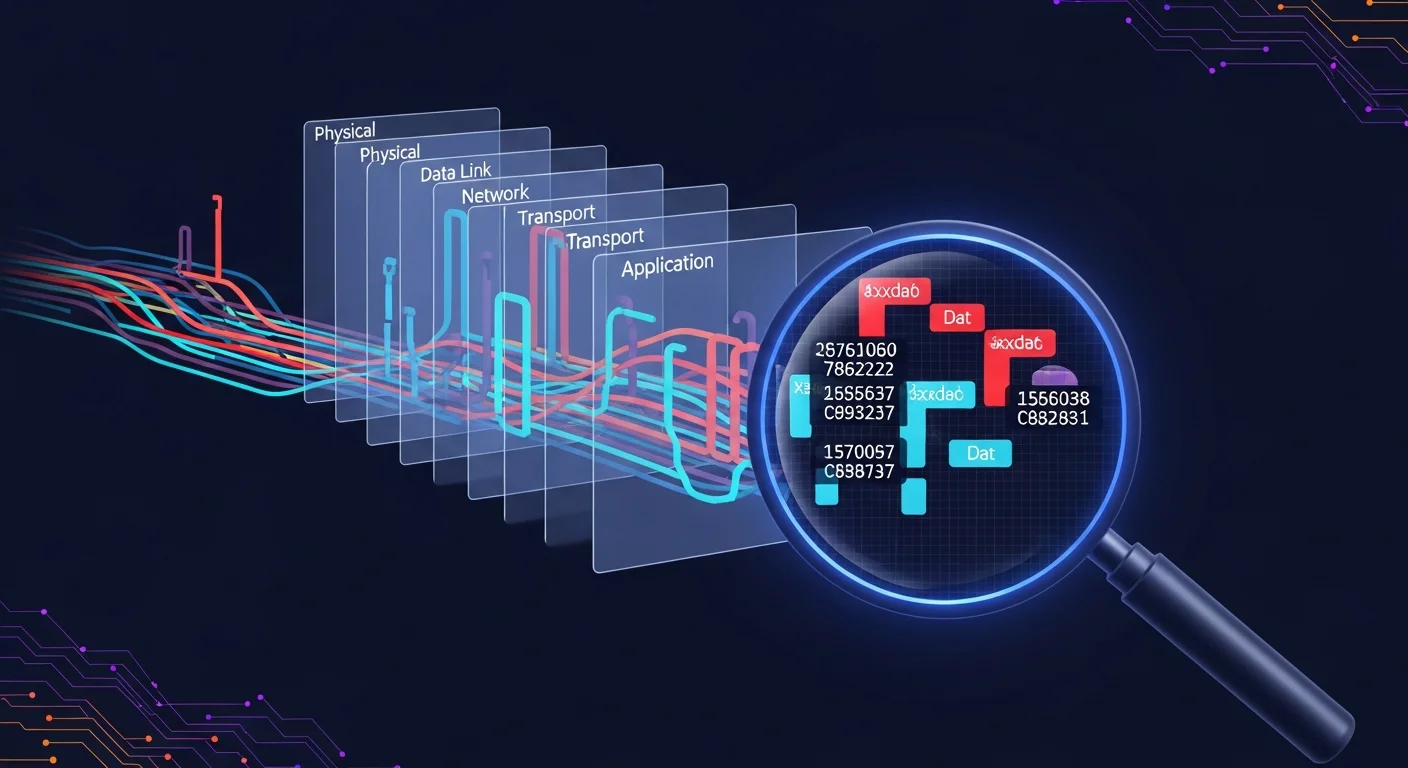
- Scapy: Packet manipulation and network analysis with Python.
REST API Integration
Modern infrastructure management increasingly involves API interaction. Our resources teach you to work with REST APIs using the requests library, handle authentication (API keys, OAuth, JWT), parse JSON responses, implement retry logic with exponential backoff, and build Python wrappers for common APIs. You will learn to integrate with services like GitHub, GitLab, Jira, Slack, PagerDuty, Datadog, and cloud provider APIs.
Database Management
Automate database operations with Python. Our resources cover PostgreSQL (using psycopg2), MySQL (using mysql-connector), SQLite for local databases, and the SQLAlchemy ORM for database-agnostic code. Learn to write backup scripts, data migration tools, query automation for reporting, and database monitoring solutions. Advanced topics include connection pooling, transaction management, and building custom ETL pipelines.
Log Analysis and Monitoring
Transform raw log data into actionable insights. Learn to parse structured and unstructured log files using Python's re module and purpose-built parsers, aggregate and analyze log data, detect patterns and anomalies, generate automated reports, and integrate with log management platforms. Our resources cover building custom log processors that handle common formats (Apache, Nginx, syslog, JSON structured logs) and implementing real-time log monitoring with alerting.
Configuration Management and Templating
Generate and manage configuration files programmatically using Jinja2 templates. Learn to build dynamic configuration systems that generate server configurations from templates and variable files, implement validation and dry-run modes, and integrate with tools like Ansible. Our resources cover template inheritance, filters, macros, and best practices for managing configuration across multiple environments (development, staging, production).
Building CLI Tools
Create professional command-line tools with Python. Our resources cover argument parsing with argparse and click, interactive prompts with questionary and InquirerPy, progress bars with tqdm and rich, colored output and tables with rich, and packaging your tools for distribution with pip. Learn to build CLI tools that follow Unix conventions (exit codes, stdin/stdout/stderr, signal handling) and feel natural alongside standard Unix utilities.
Testing and Quality Assurance
Write reliable automation code with proper testing. Our resources cover unit testing with pytest, mocking external dependencies, testing scripts that interact with the file system and network, continuous integration for your automation codebase, and code quality tools (pylint, black, mypy). Learn to build confidence in your automation scripts before deploying them in production.
Python Libraries Every Sysadmin Should Know
- psutil: Cross-platform process and system monitoring.
- paramiko/fabric: SSH connections and remote execution.
- requests: HTTP client for API interaction.
- boto3: AWS SDK for Python — manage all AWS services programmatically.
- jinja2: Powerful templating engine for configuration generation.
- click: Beautiful command-line interface creation.
- rich: Rich text and beautiful formatting in the terminal.
- pyyaml: YAML parsing and generation.
- schedule: Simple job scheduling for Python.
- loguru: Simple and powerful logging.
From Scripts to Applications
As your Python skills grow, you will naturally progress from simple scripts to more complex applications. Our advanced resources cover web dashboards with Flask/FastAPI for system monitoring, building internal tools with Streamlit, creating REST APIs for your infrastructure, and developing custom Ansible modules and plugins. This progression makes Python not just a scripting language but a platform for building comprehensive IT management solutions.
Browse our recommended books, tutorials, and cheat sheets below to start your Python automation journey.